The Big Numbers Are Back at Parties and Events
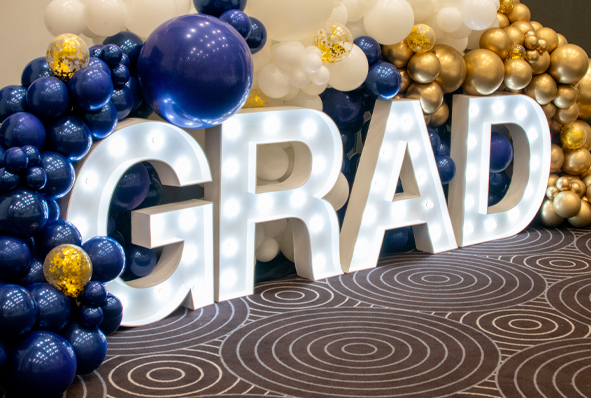
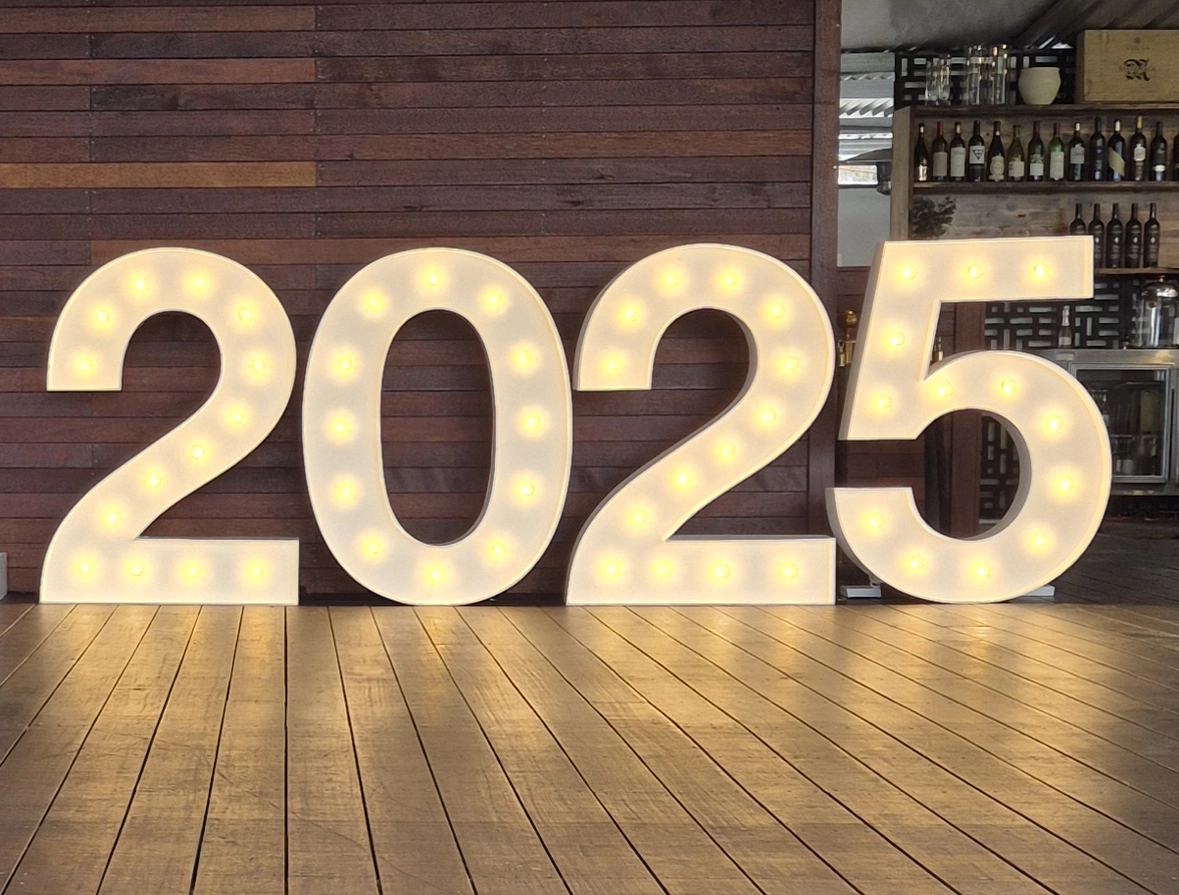
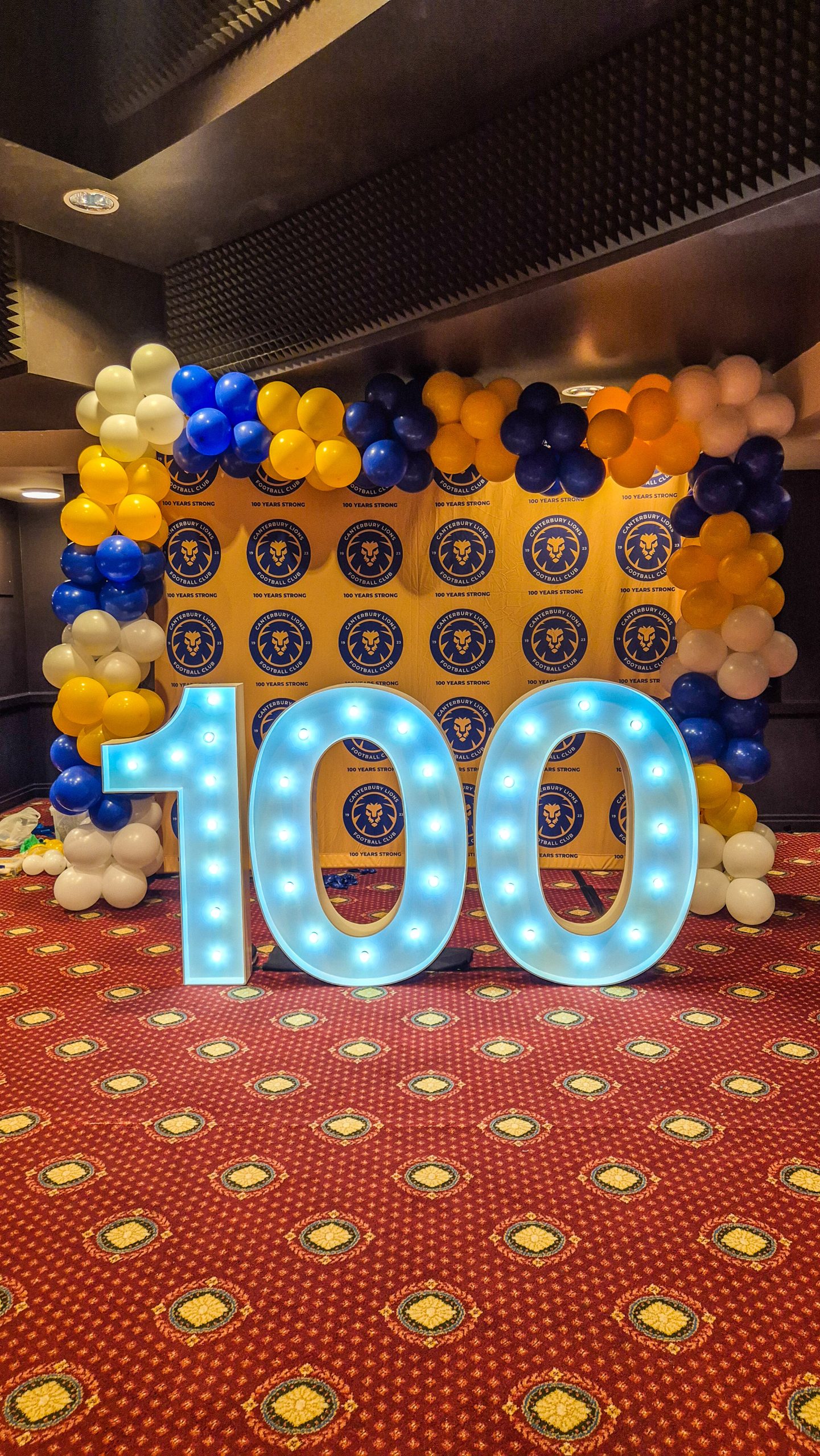
Walk into almost any large celebration at the moment and there is a good chance the focal point will be a number. Sometimes it is an 18 or a 21,…
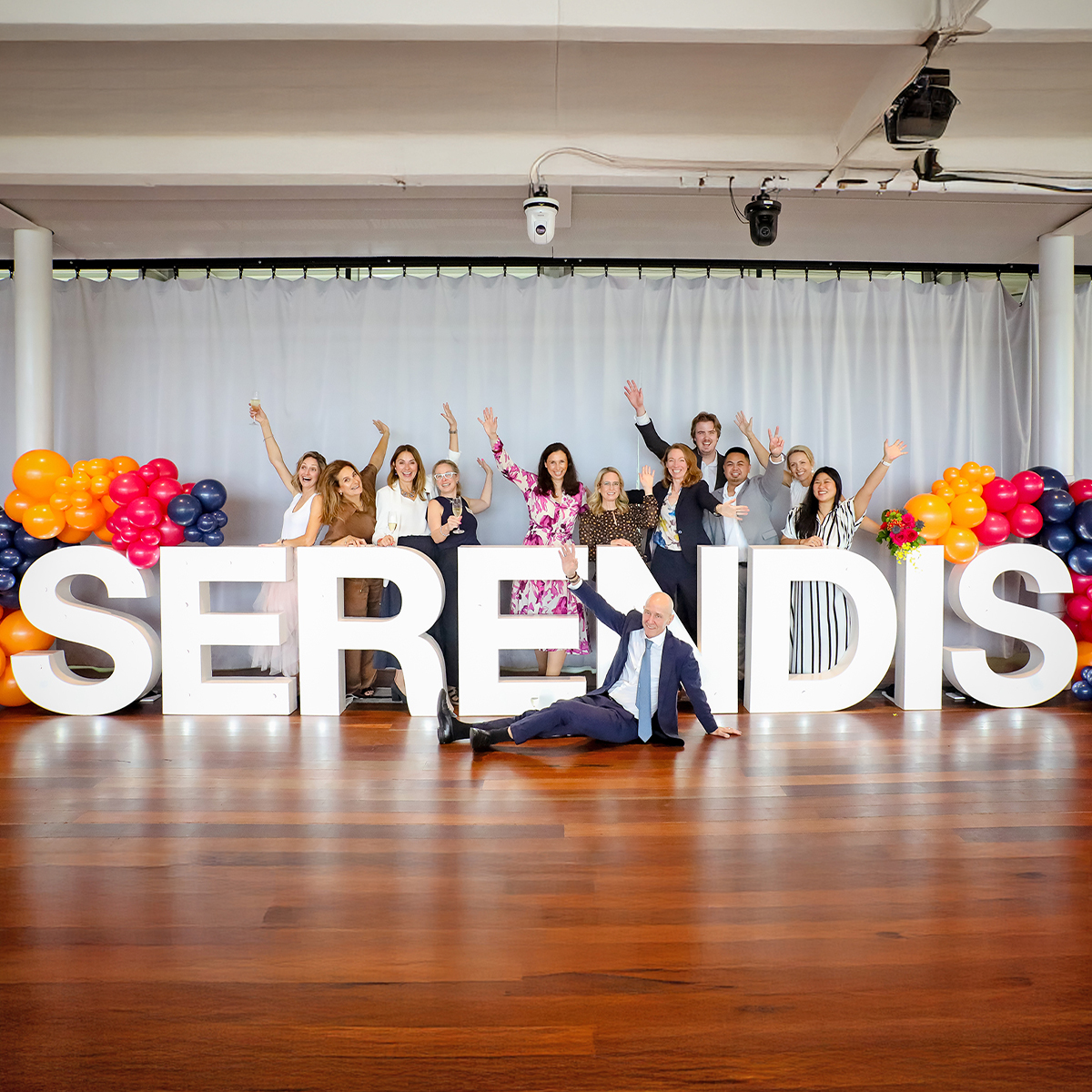
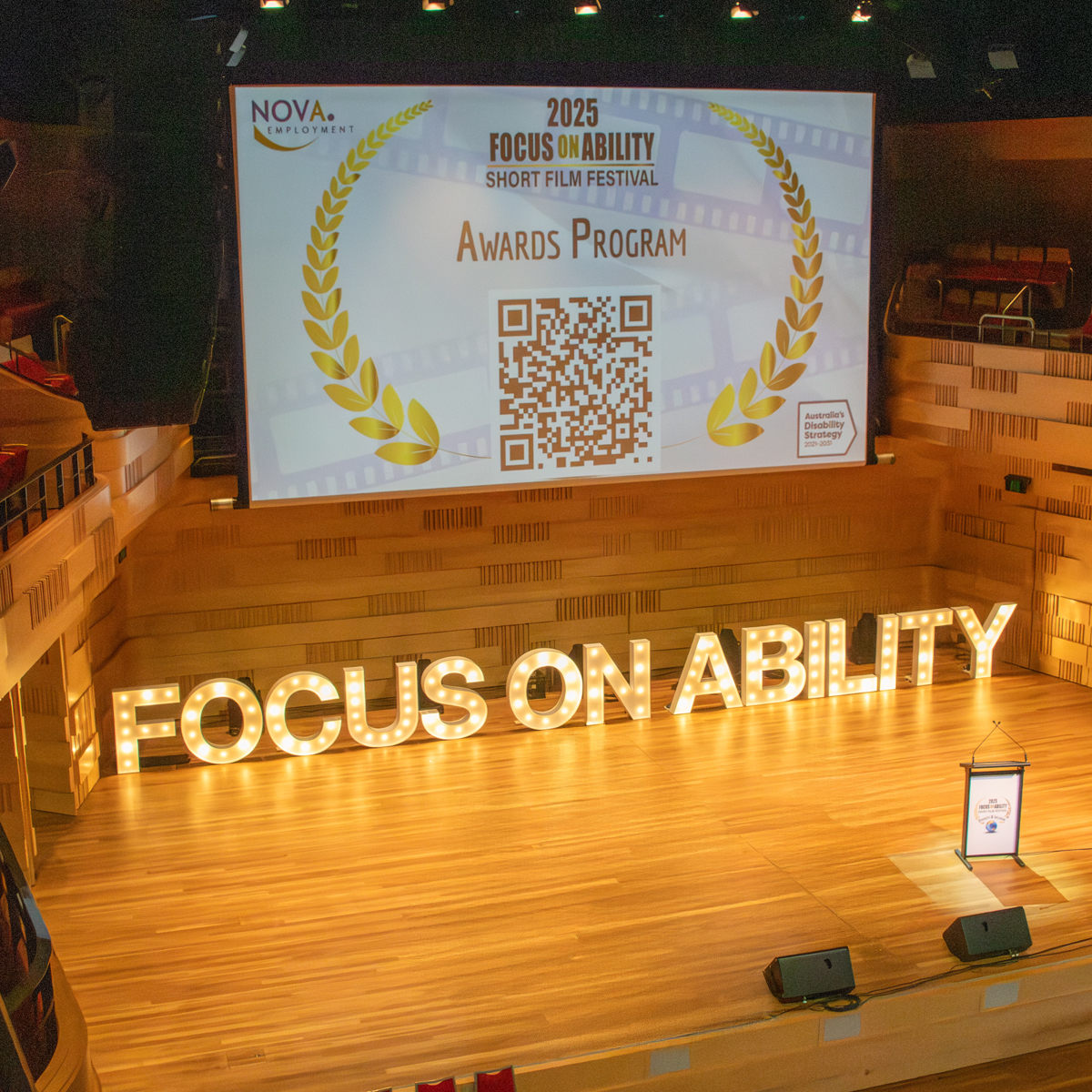
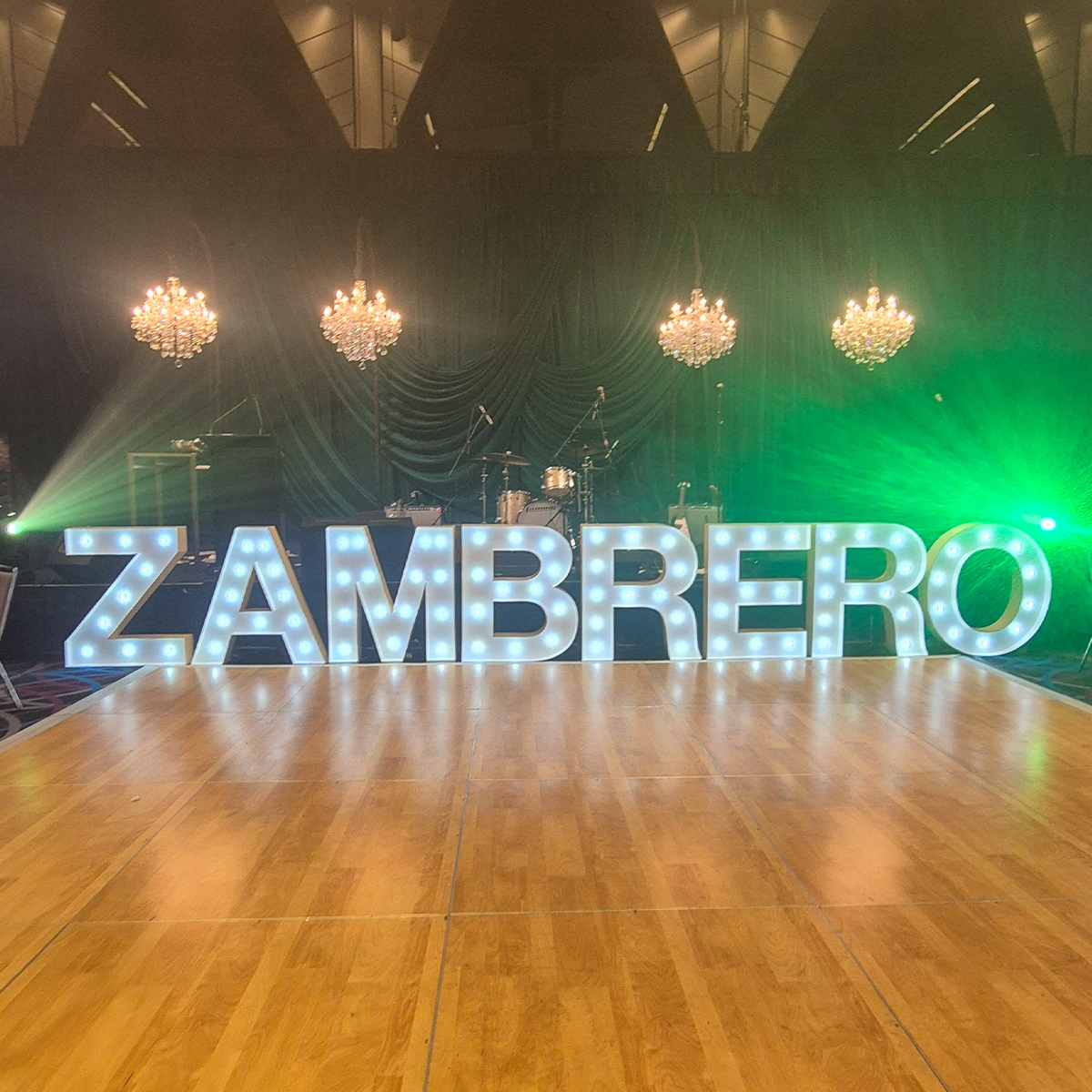
Traditional event signage was designed for people in the room. A printed banner across the back wall of a conference space, branded pop-up displays flanking a stage, vinyl graphics on the entrance to a function room. Functional. Clear. Invisible to anyone who wasn’t physically present.
Then smartphones became cameras, and events stopped being contained experiences. What happened at a wedding or corporate launch didn’t stay in that room. It went immediately onto social media, where it would be seen by far more people than attended in person.
Suddenly the signage wasn’t just for guests. It was for Instagram stories, Facebook posts, LinkedIn updates. And banners, it turned out, photograph terribly.
They flatten in images. They disappear into backgrounds. In low light (which is most events after 6pm) they’re barely visible. Even in decent lighting, they read as generic, corporate, the visual equivalent of background noise.
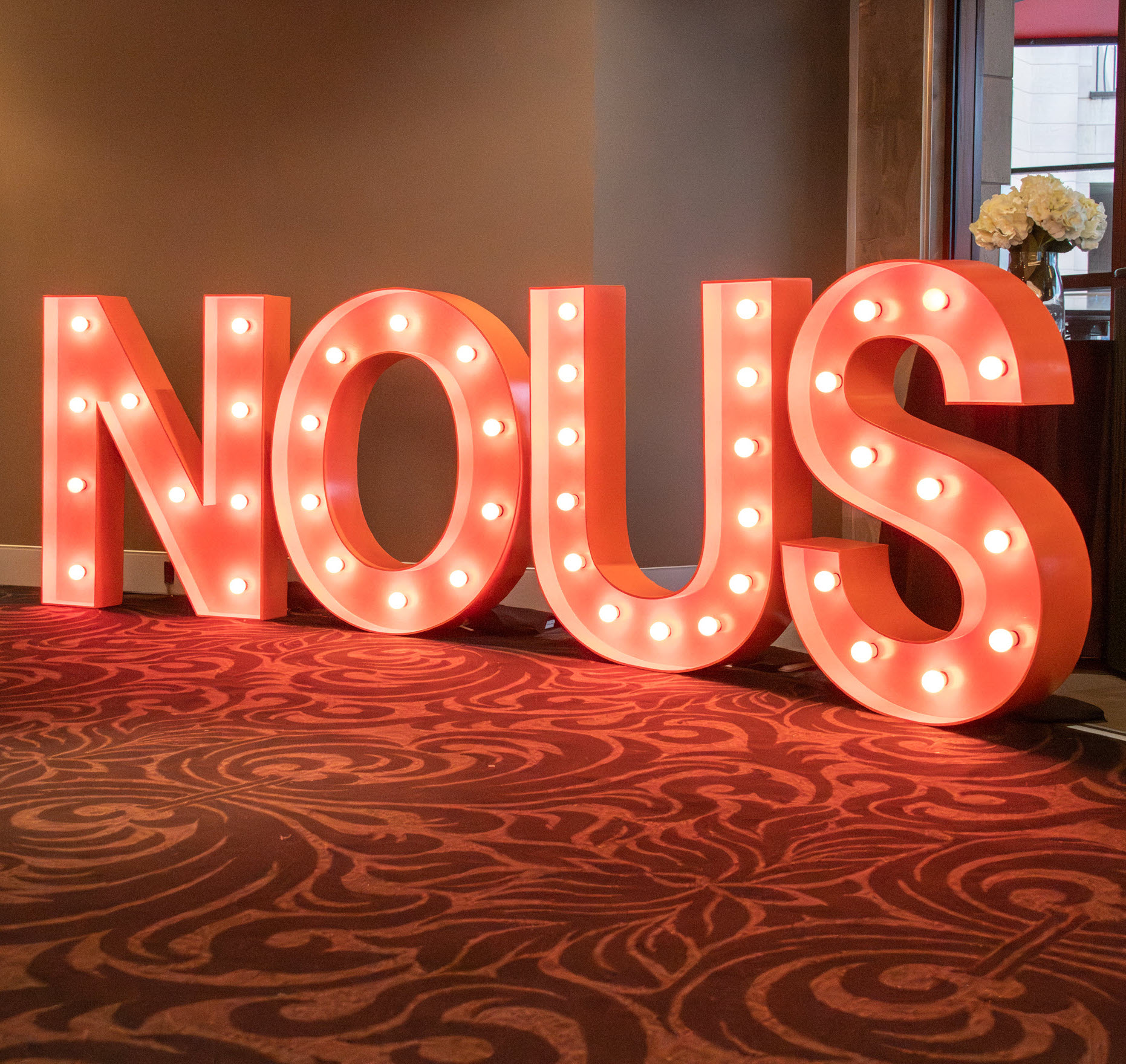
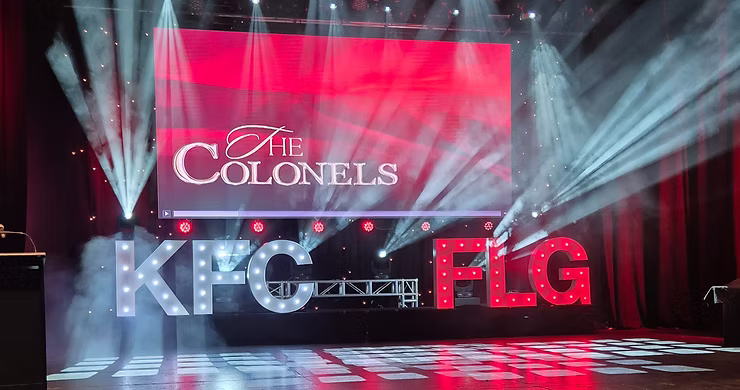
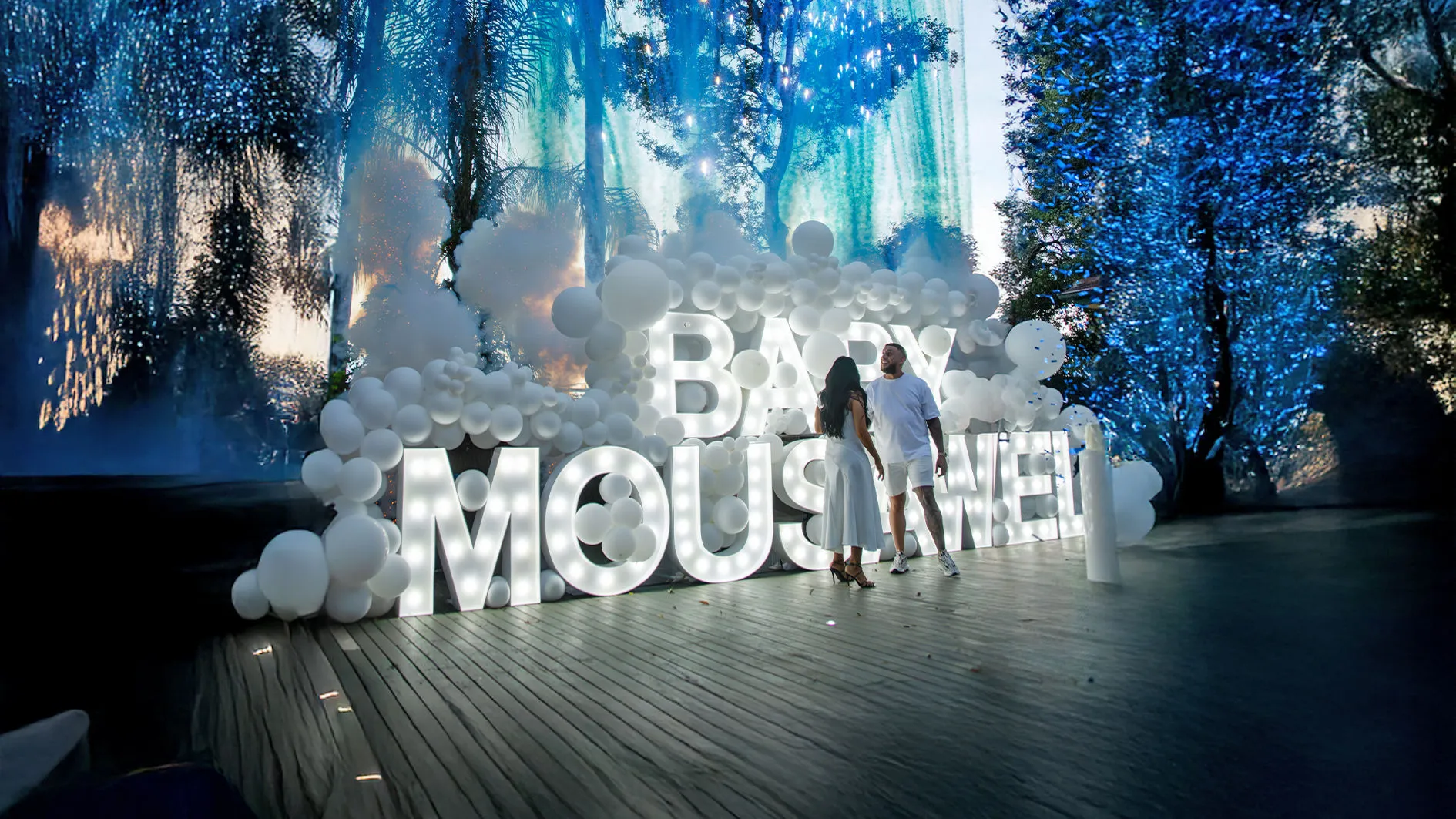
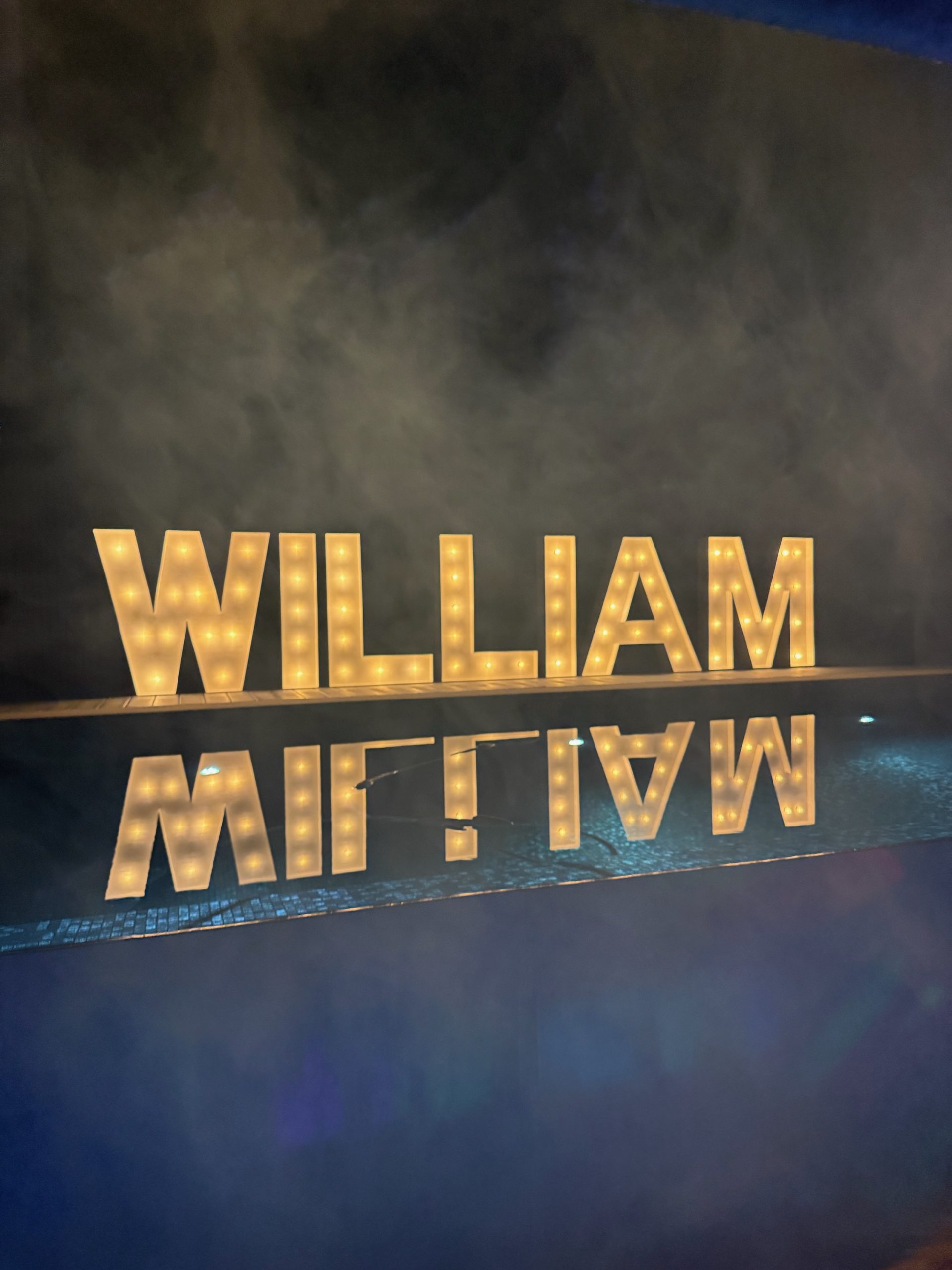
Light up letters solved this problem accidentally. They were designed to be impressive in person, but their real advantage was how they translated to phone cameras. They created their own light source. They had depth and dimension. They framed people beautifully in photos. They looked expensive without needing expensive photography equipment.
Event planners noticed this quickly. So did venues. And once everyone realised that the signage would be photographed more than it would be looked at directly, the decision about what kind of signage to use became much simpler.
Modern events operate under what some planners call the three-second rule: you have three seconds to make an impression before someone’s moved on, looked at their phone, or shifted their attention to the next thing.
Banners don’t work in three seconds. They require you to look directly at them, read them, process what they say. If the lighting’s wrong or you’re at the wrong angle, they might not register at all.
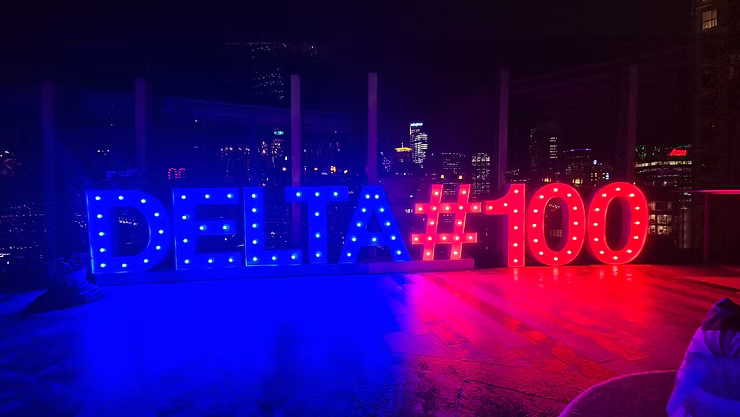
Illuminated letters work instantly. You see them the moment you walk into the space. You don’t have to read them. The shape and the light do the work. Even from across a crowded room, even with people moving between you and the signage, the letters hold their presence.
This matters more now because events have become less formal and more social. Guests arrive when they want, circulate freely, leave early if needed. There’s no guaranteed moment when everyone’s facing forward and paying attention. The signage has to work constantly, from every angle, without demanding focus.
Letters do this. Banners don’t.
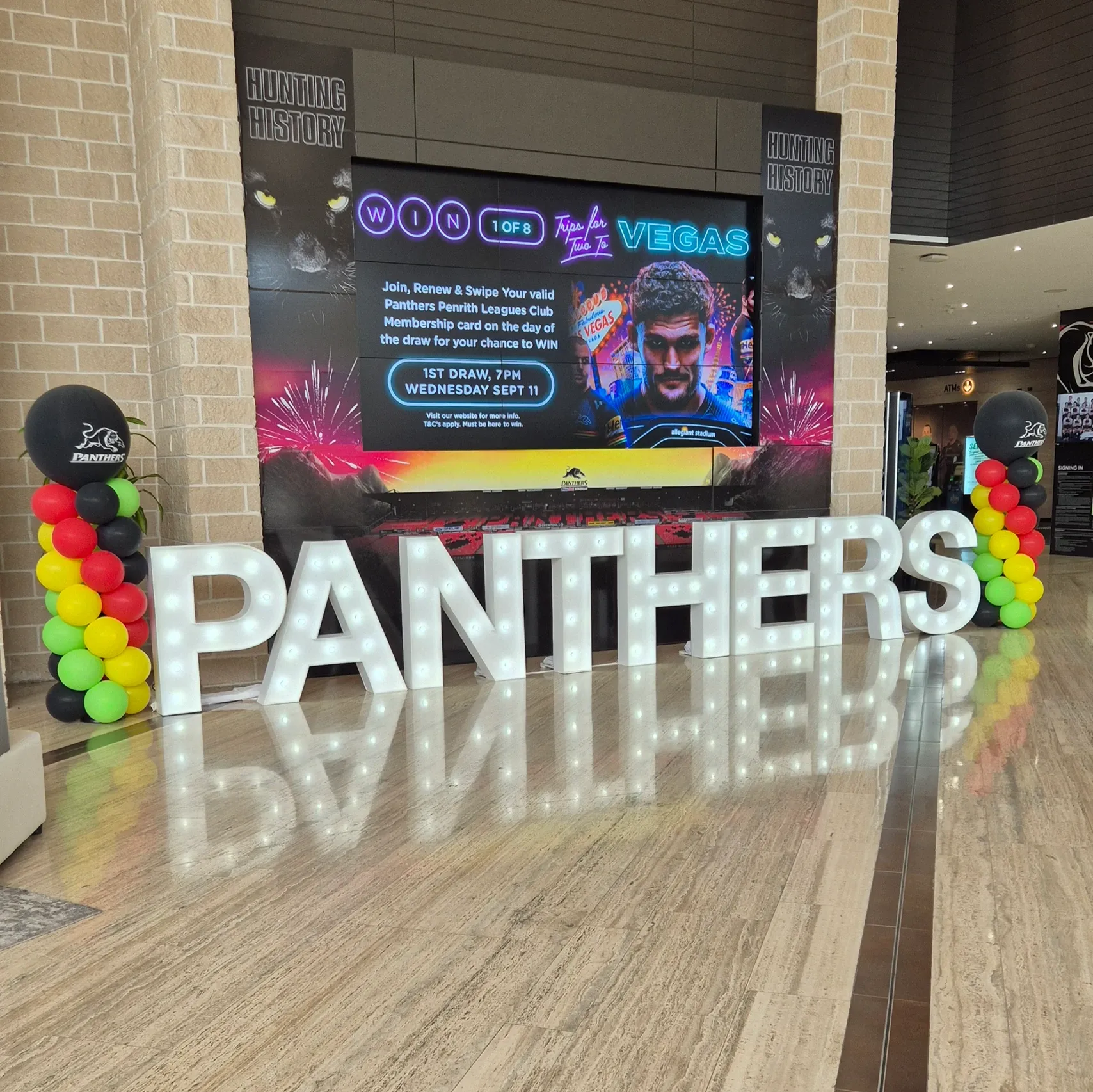
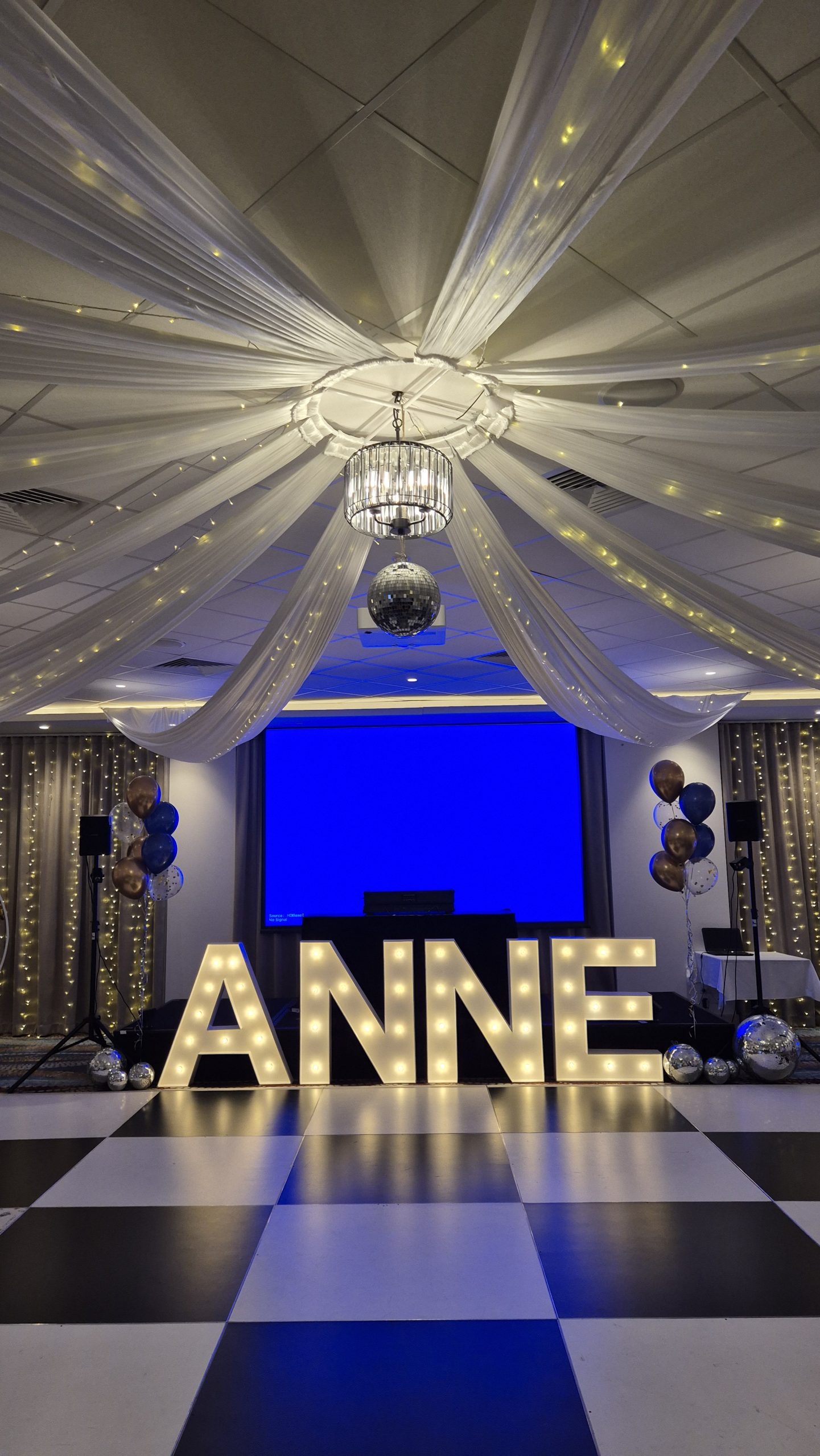
Sydney’s event venues have changed over the past decade. Industrial warehouses converted to function spaces. Rooftop terraces with harbour views. Gallery spaces with high ceilings and dramatic lighting. These venues photograph beautifully, but they’re hard to brand.
Traditional signage struggles in these spaces. A banner on a brick wall thirty metres away doesn’t create impact. A pop-up display gets lost in the scale. And many of these venues deliberately use moody lighting. Dim, atmospheric, designed to feel upscale rather than bright and functional.
Light-up letters were built for these conditions. They work in large spaces because they’re large. They work in low light because they generate their own. They work in industrial or minimalist venues because they add visual interest without competing with the architecture.
This is why venues started recommending them. Not because they’re trendy, but because they’re one of the few signage options that reliably works in the kinds of spaces people want to hire now.
A decade ago, custom signage meant printing. Banners, posters, vinyl decals. The per-unit cost was low, but you needed to order in advance, and once the event was over, the signage was waste.
Light up letters are rented, not printed. The upfront cost is higher, but there’s no waste. And because they’re modular (individual letters that can be arranged into different words or initials) they work for different events without needing to be recreated.
For event planners working with corporate clients who run multiple events per year, this changed the economics. Instead of printing new banners for every product launch or team conference, they could rent letters and reconfigure them each time. The cost per event dropped. The environmental impact dropped. And the signage looked more premium than printed alternatives.
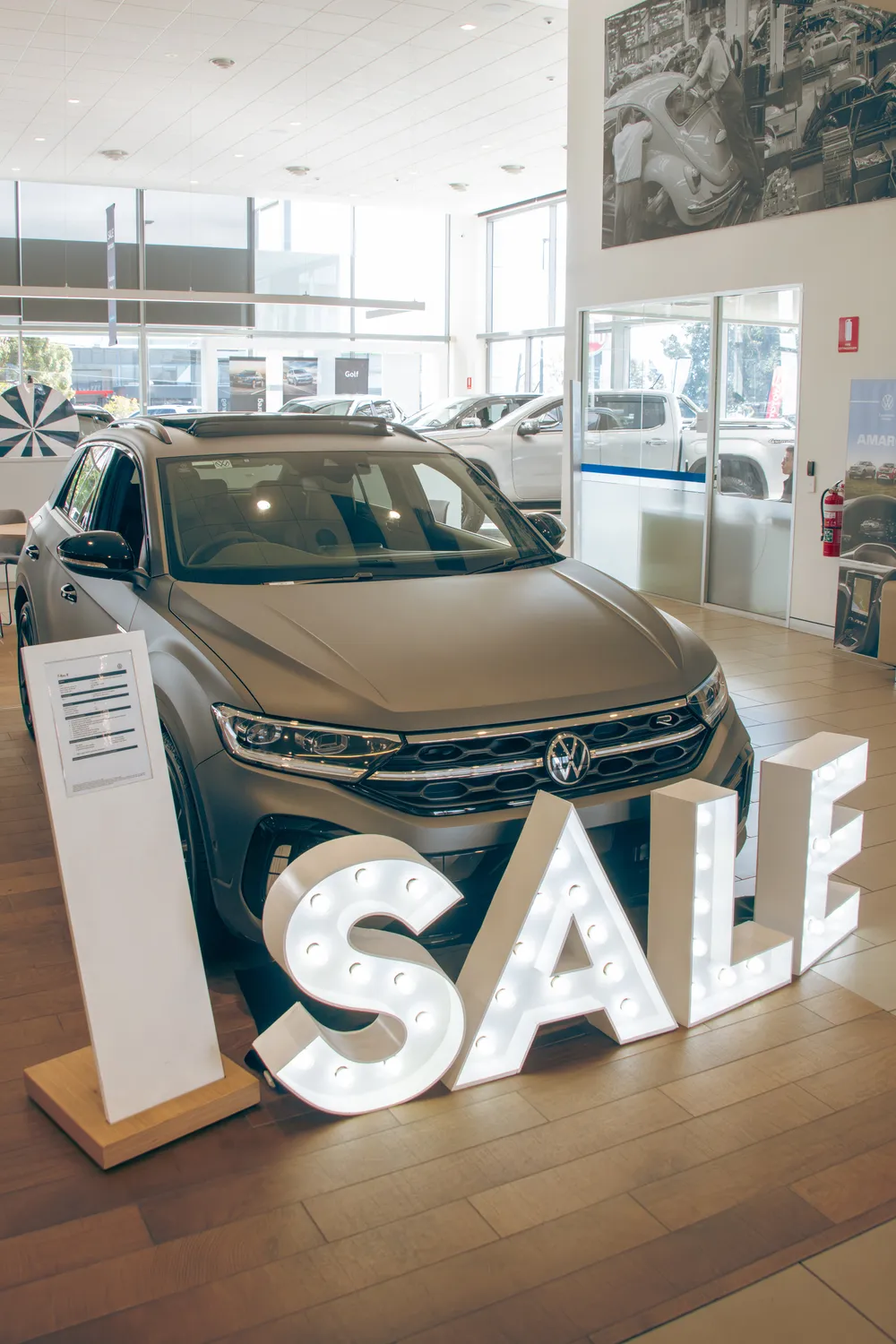
For private events like weddings, milestone birthdays, and engagement parties, the calculation was different but the conclusion was similar. Spending $500 to $1,500 on letter rental felt more justifiable than spending similar amounts on flowers or decorations that would last one night. The letters became part of the event’s visual identity, and that identity lived on in photos long after the night ended.
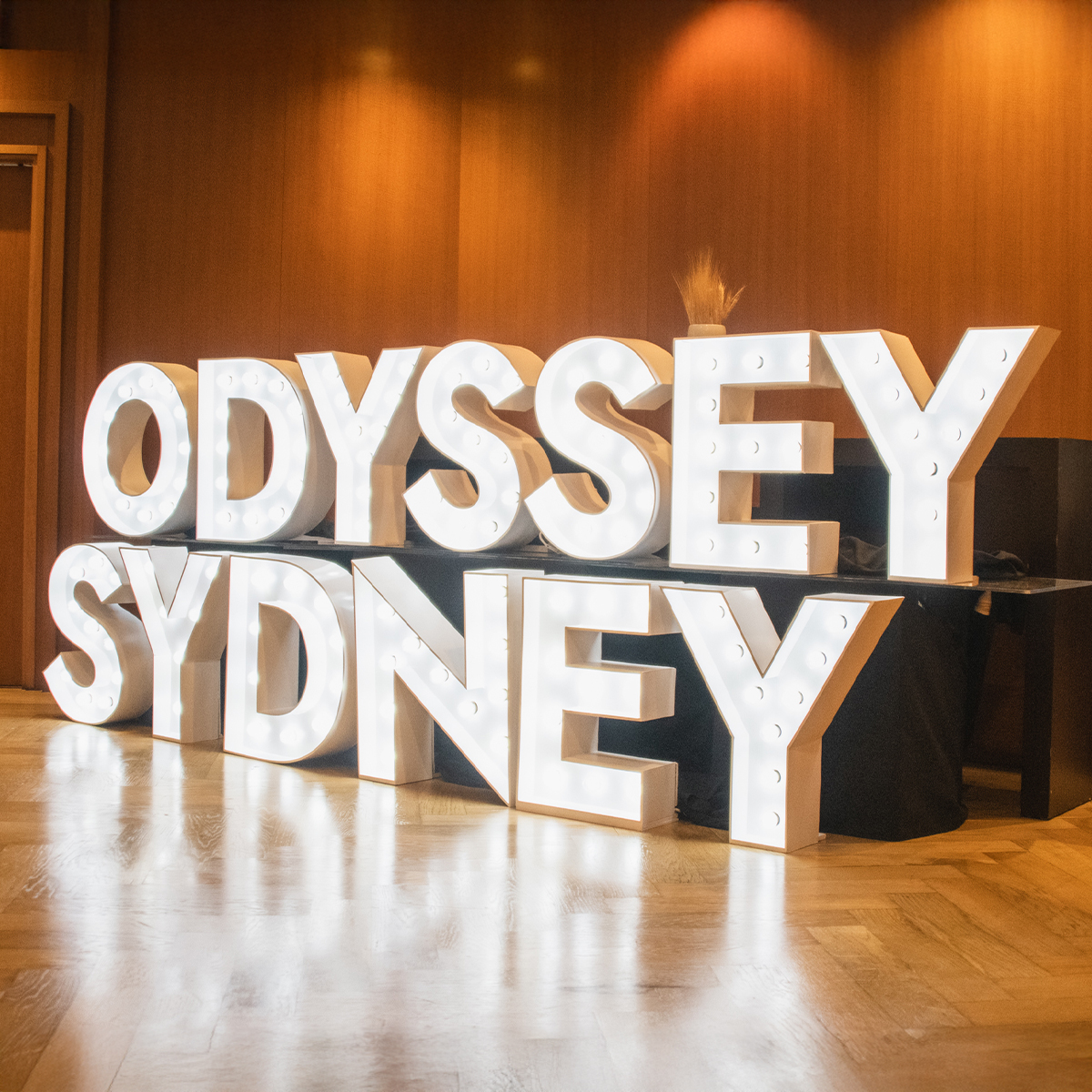
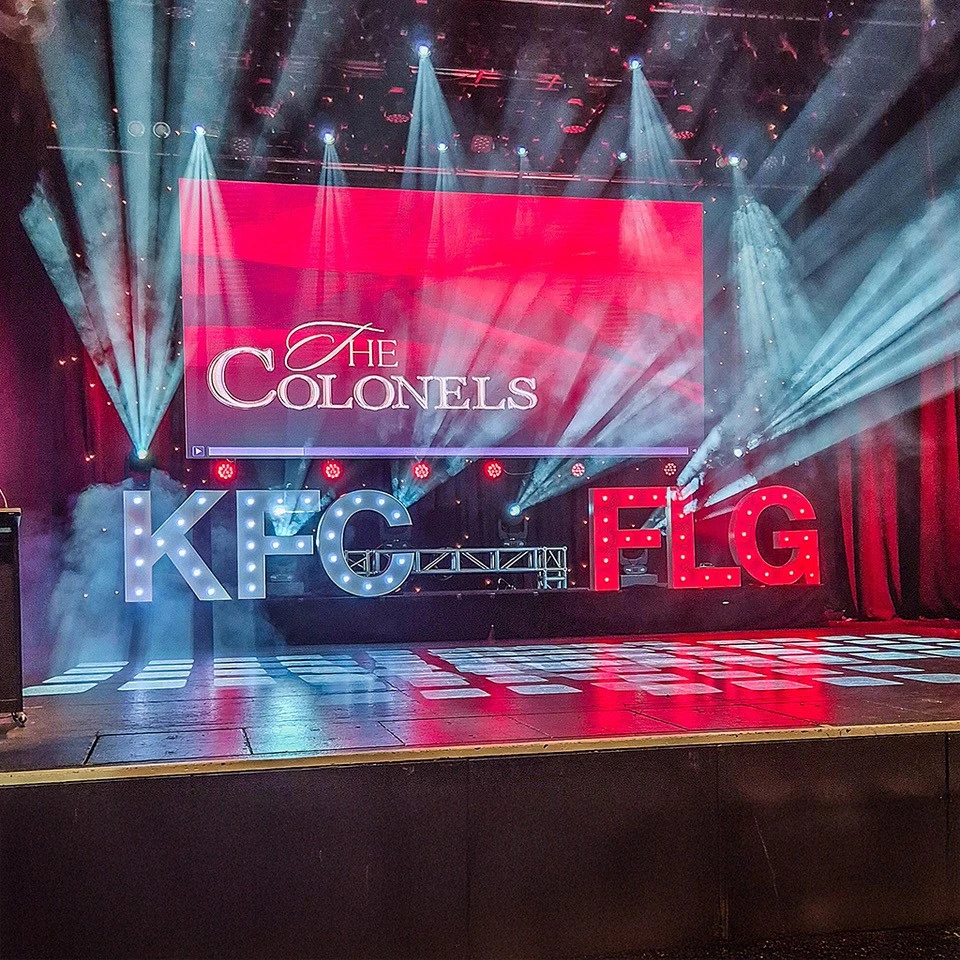
The shift in event signage tracks closely with a broader change: events stopped being experiences and became content.
This isn’t criticism, just observation. A wedding in 2025 isn’t just a ceremony and reception. It’s a day of content creation that will be shared, commented on, remembered through photos and videos. The same applies to corporate launches, charity galas, milestone celebrations.
In this context, signage isn’t decoration. It’s a production element. It needs to work in photos, frame the moments people want to capture, create the backdrop for content that will be shared with hundreds or thousands of people who weren’t there.
Light-up letters do this job better than any alternative. They’re distinctive enough to be recognisable in photos. They’re neutral enough that they don’t date quickly or look tied to a specific trend. They create a visual anchor that people can return to throughout an event, knowing it’ll photograph well from any angle.
This is why they’ve moved from luxury to standard. Not because every event needs them, but because every event that cares about how it appears online has worked out that letters are the most reliable way to control that appearance.
There’s another factor: events themselves have become more important, or at least more invested in. The “experience economy” might be marketing jargon, but it describes a real shift. People spend more on experiences (travel, dining, events) and less on material goods than previous generations did.
This means events carry more weight. A 40th birthday isn’t just a party, it’s a milestone that deserves proper celebration. An engagement isn’t just an announcement, it’s an occasion that needs to feel special. A product launch isn’t just a press release, it’s an experience that should reflect the brand’s identity.
In this environment, generic signage doesn’t cut it anymore. A printed banner that says “Happy 40th” or “Welcome” feels perfunctory. It’s the minimum effort. Light-up letters, by contrast, signal investment. They show that someone thought about how the space would look, how photos would turn out, how guests would experience the event.
This perception matters more than the actual cost difference, which isn’t as dramatic as most people assume. The letters feel premium, and that feeling shapes how guests experience the event and how they remember it afterward.
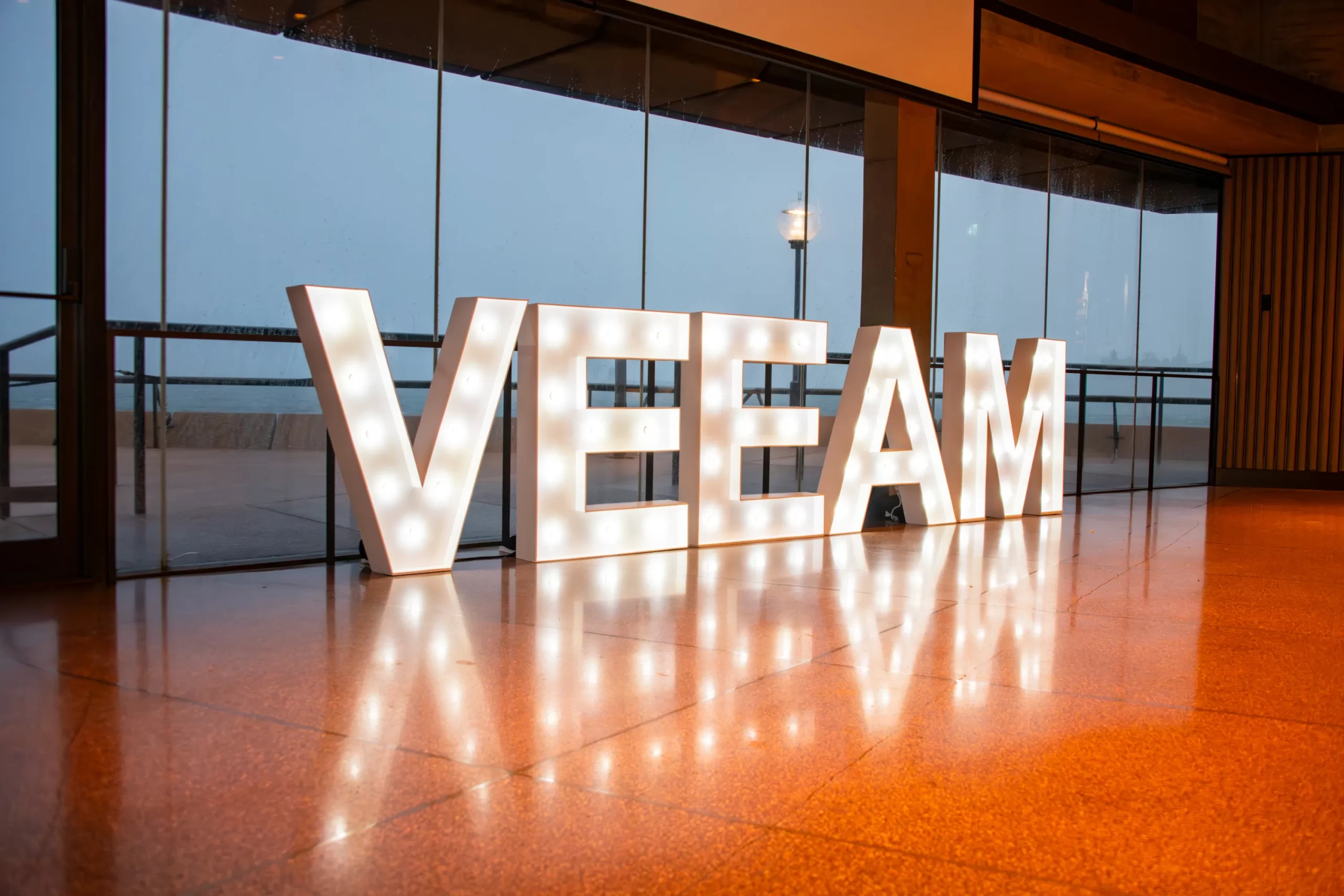
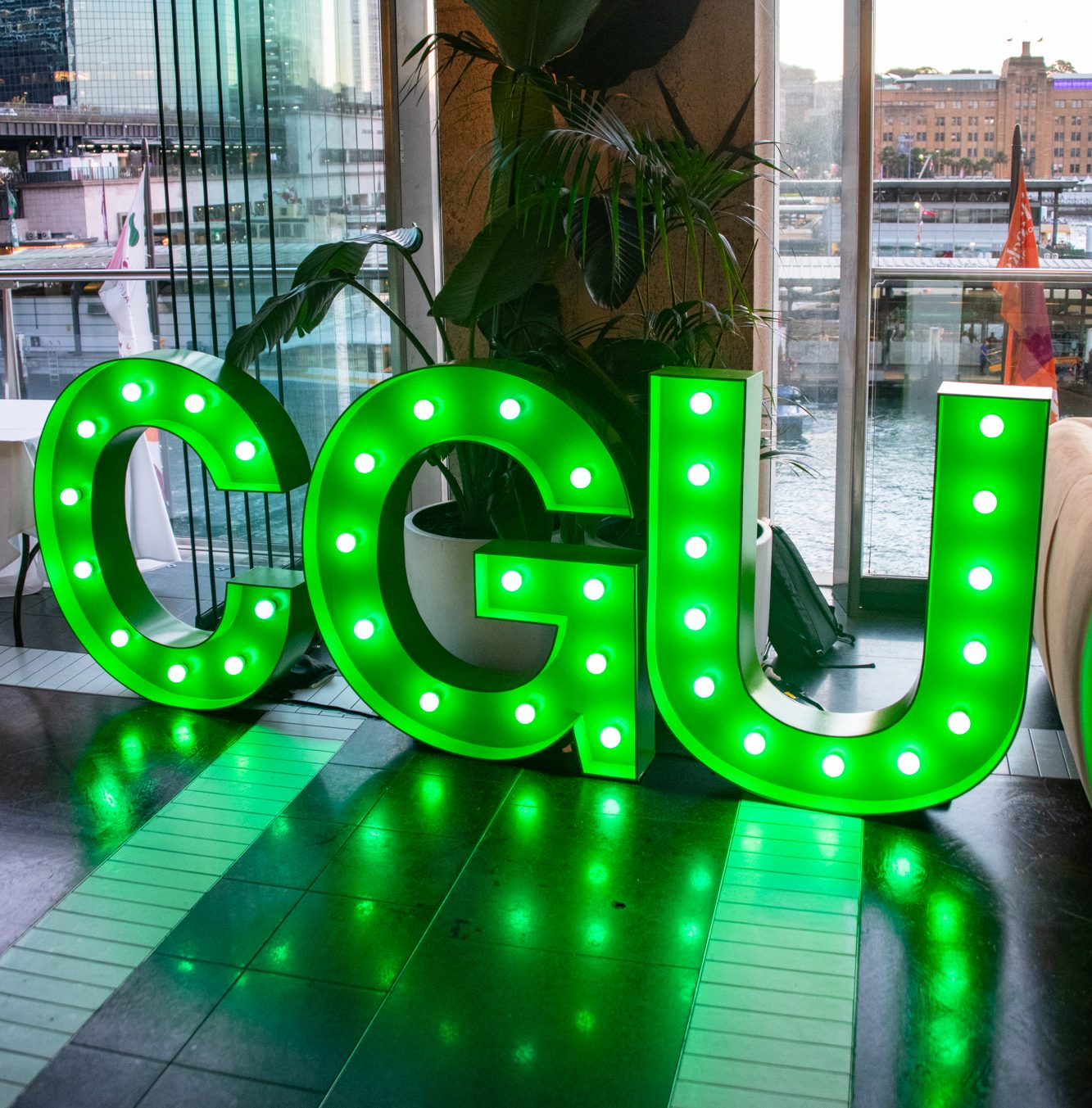
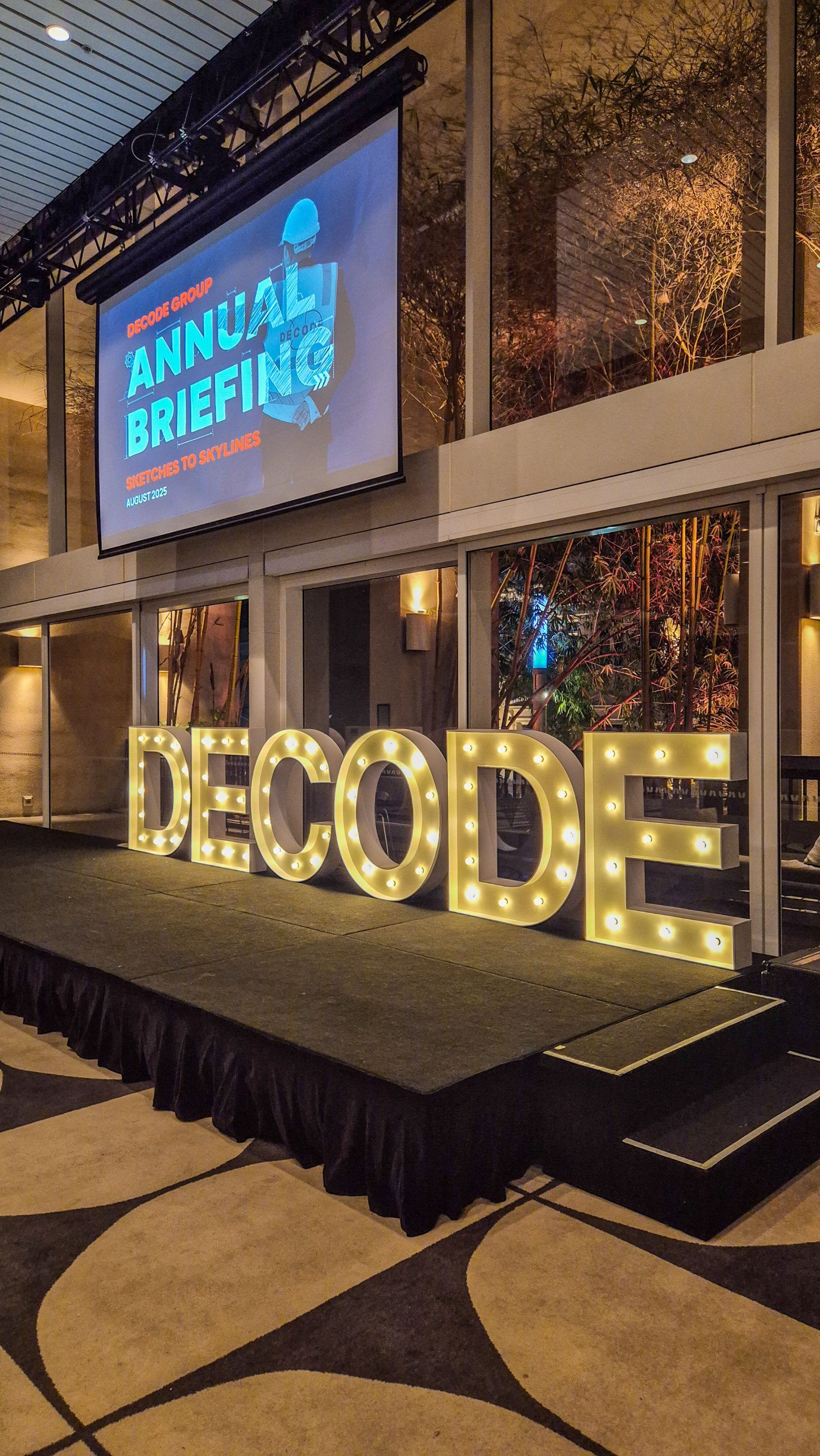
None of this means traditional signage has disappeared. Banners still work in specific contexts: outdoor daytime events where natural light is strong, trade shows where detailed information needs to be displayed, conferences where schedules and wayfinding are essential.
The difference is that banners have moved to a supporting role. They provide information, directions, detail. They don’t provide the primary visual identity anymore.
At a corporate event, you might find banners with session schedules or sponsor logos, but the main stage will likely feature illuminated letters spelling out the company name or event theme. At a wedding, there might be printed signage directing guests to bathrooms or the gift table, but the ceremony backdrop or reception entrance will have glowing initials.
This division of labour makes sense. Each form of signage does what it’s good at. Banners convey information efficiently. Letters create presence and photograph well. Using both, strategically, covers all the needs that events have now.
Sydney’s events industry has embraced this shift more enthusiastically than most Australian cities, partly because of the venue landscape. Warehouse conversions in Alexandria and Surry Hills, rooftop spaces with harbour views, heritage buildings repurposed as function spaces. These venues practically demand dramatic signage.
The climate helps too. Sydney hosts more outdoor and evening events than Melbourne or Brisbane, and light-up letters work particularly well as the sun sets and natural light fades. The transition from daylight to dusk is when illuminated signage comes into its own, creating visual impact that no amount of printed material can match.
This has created a feedback loop. Venues expect quality signage. Planners know letters photograph well in Sydney’s distinctive spaces. Guests have come to expect that premium events will include them. And suppliers have responded by expanding options: different fonts, sizes, colours, effects. This makes letters more versatile and accessible.
The rise of light-up letters isn’t really about signage. It’s about how events function now, who they’re for, and how they’re remembered.
Events used to be ephemeral. They happened, people attended, and then they were over. The only lasting record was whatever the professional photographer captured, and those photos often took weeks to appear.
Now events are documented in real-time by everyone present. They exist simultaneously as physical experiences and digital content. And the elements that make for good physical experiences don’t always translate to good digital content.
Light up letters bridge that gap. They’re impressive in person. Large, lit, architecturally interesting. And they’re equally impressive in photos and videos. They work for the people in the room and the people seeing the event through screens.
This dual functionality is why they’ve become standard. Not because they’re fashionable, but because they’re one of the few elements that serves both purposes equally well. And as long as events continue to exist both as experiences and as content, that utility isn’t going anywhere.
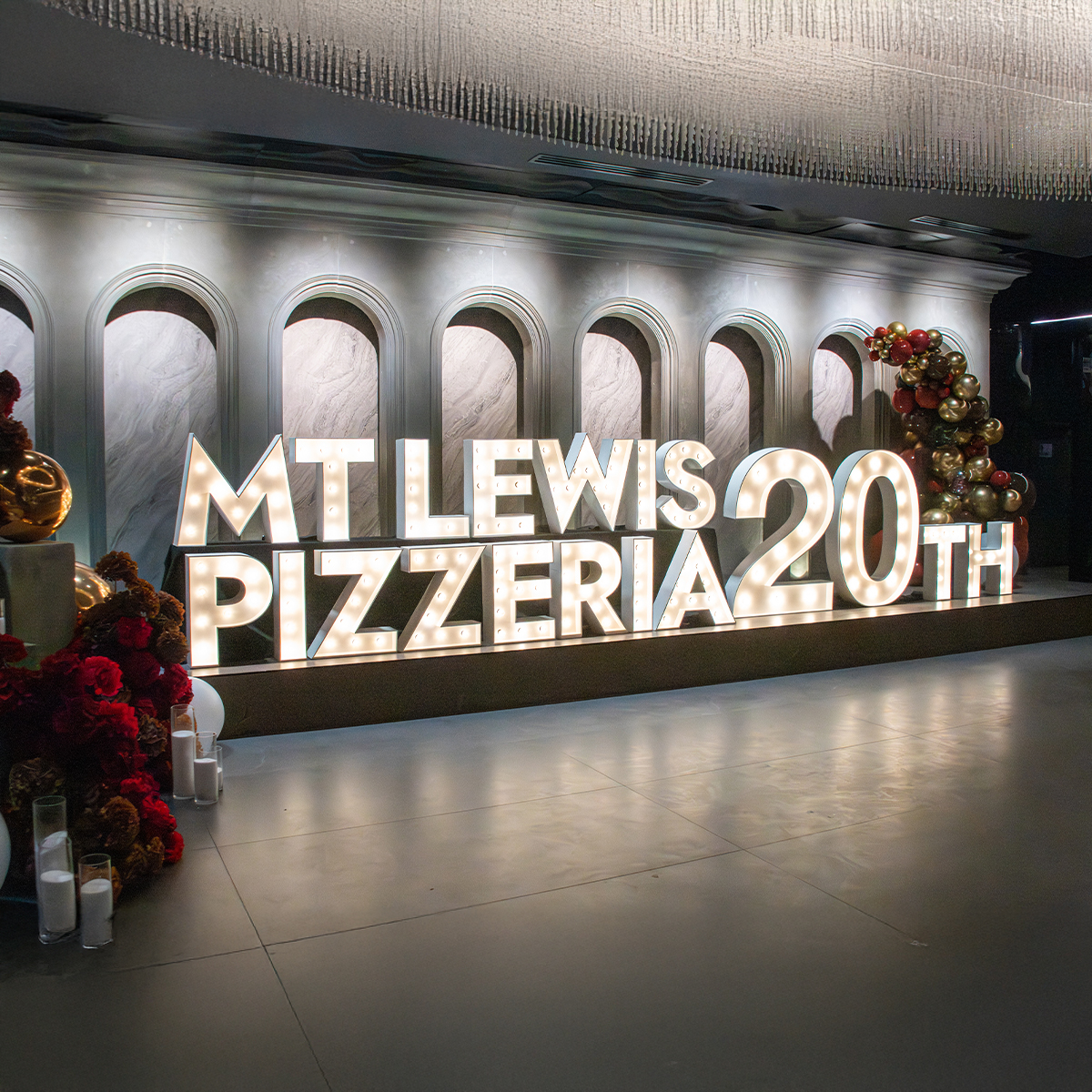
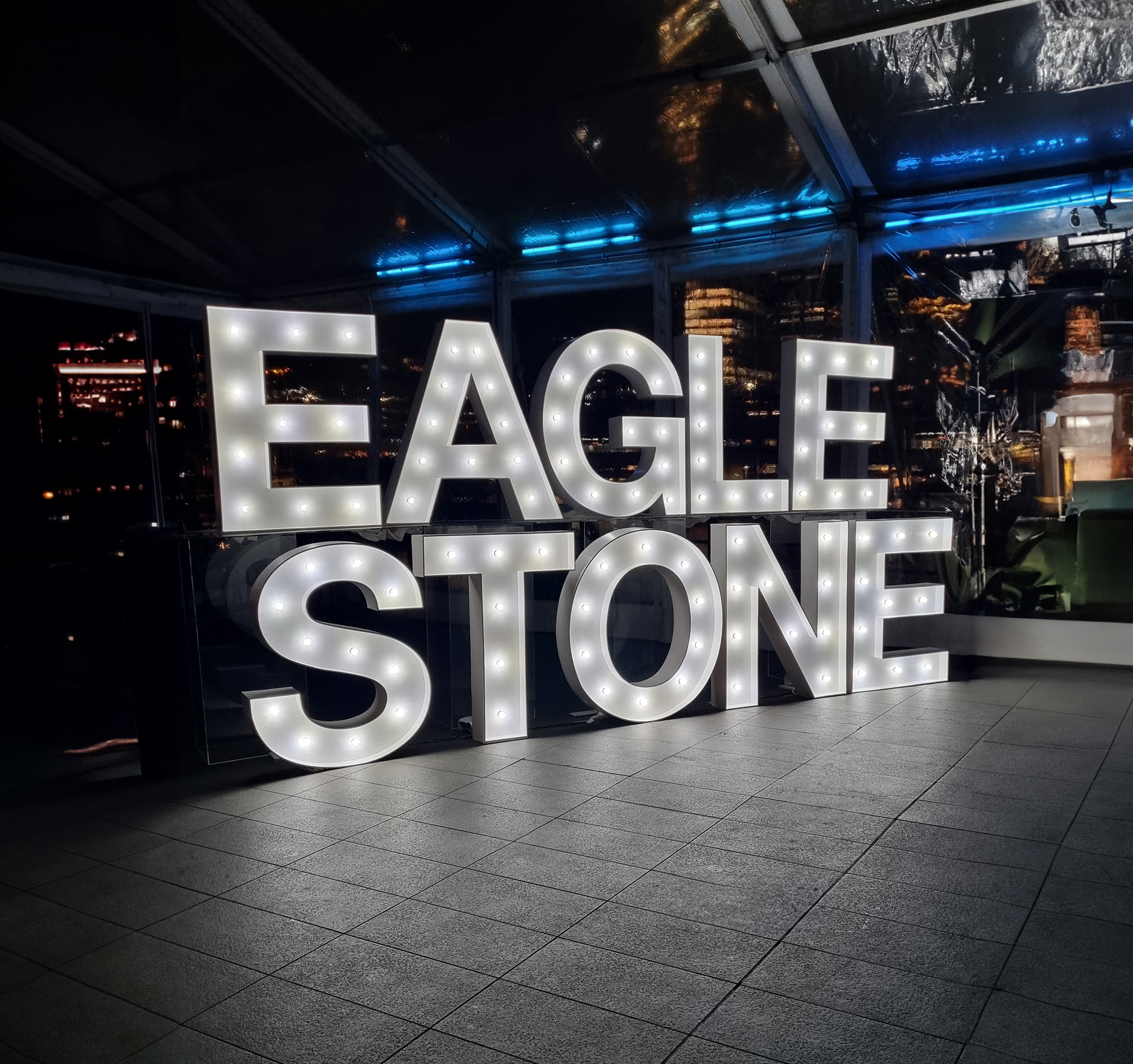
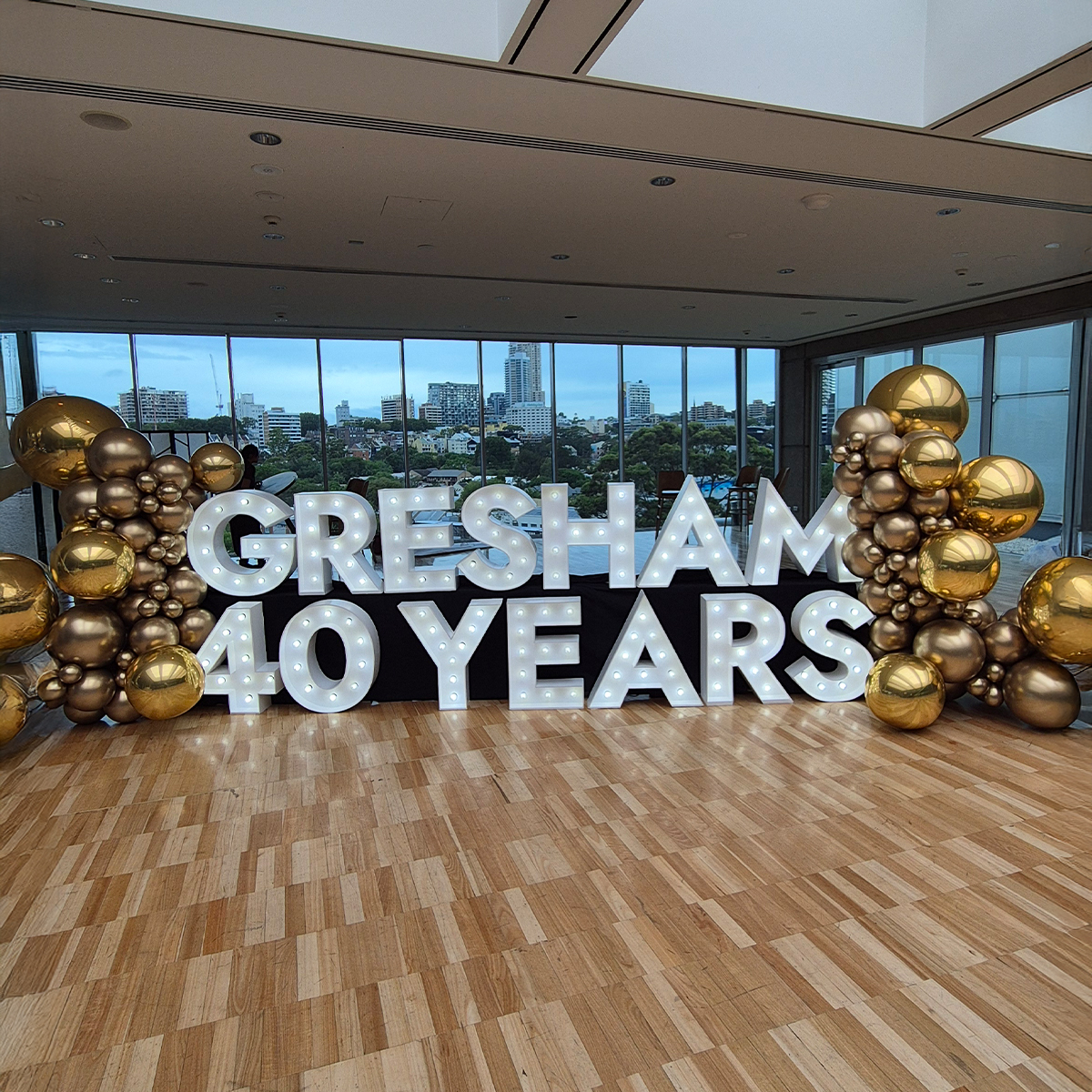
For businesses renting light-up letters, the boom has been straightforward: consistent demand from both private and corporate clients, relatively low overhead once the initial equipment investment is made, and the benefit of repeat business as clients return for multiple events.
The market has stratified. At the premium end, suppliers offer custom lettering, specialised fonts, colour-changing LEDs, and design consultation. At the accessible end, standard letters in popular configurations (initials, short words, numbers for milestone birthdays) rent for a few hundred dollars per event.
This range means the product works across different market segments. A corporate client running a major product launch might spend several thousand on elaborate custom signage. A couple getting married might spend $600 on their initials for the reception. Both are using fundamentally the same product, just scaled and customised differently.
The flexibility has proven more durable than most trends in the events industry. While other decorative elements come and go with fashion, light-up letters have settled into a permanent role because they solve practical problems rather than just following aesthetic preferences.
Predicting trends in events is risky business, but the evidence suggests light-up letters aren’t going anywhere soon. They’ve moved past trend status into infrastructure. They’re part of how events are planned and executed now, not an optional extra.
What might change is how they’re used. Already there’s movement toward more subtle applications. Smaller letters, warmer lighting, integration with other design elements rather than standalone features. The goal posts are shifting from “make a statement” to “create atmosphere.”
But the fundamental appeal remains the same. In spaces that are large and dark, at events that will be photographed extensively, for occasions that deserve to feel significant, illuminated signage does what printed alternatives can’t. And as long as that’s true, the letters will stay.
Which is probably why, when you attend your next major event in Sydney, you’ll see them. Not because someone decided to be trendy, but because they’re the most reliable way to make the occasion look like it mattered.
Because these days, that’s half the point.
Changes in venue design, lighting, and photography have made illuminated signage a more reliable way to establish visual focus.