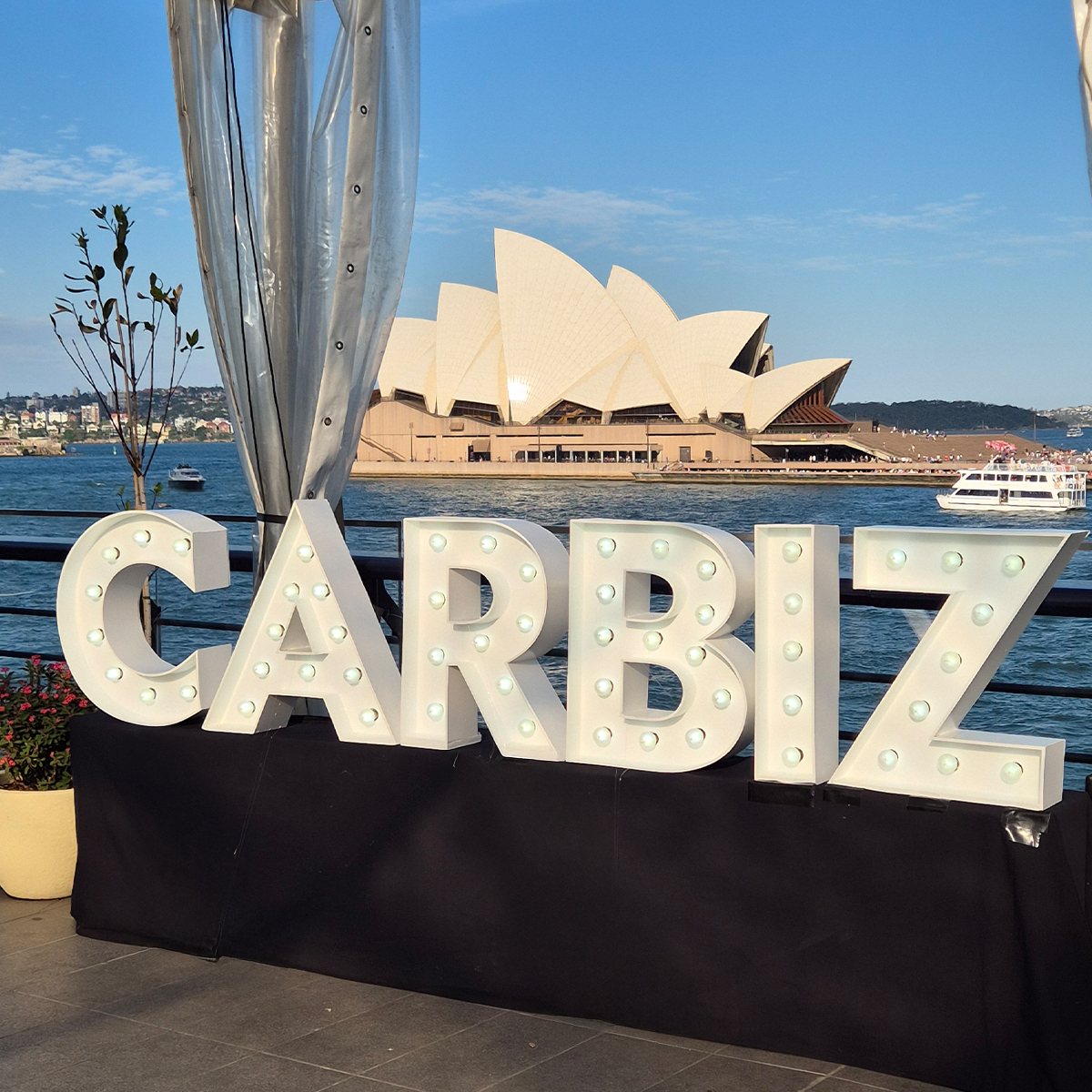
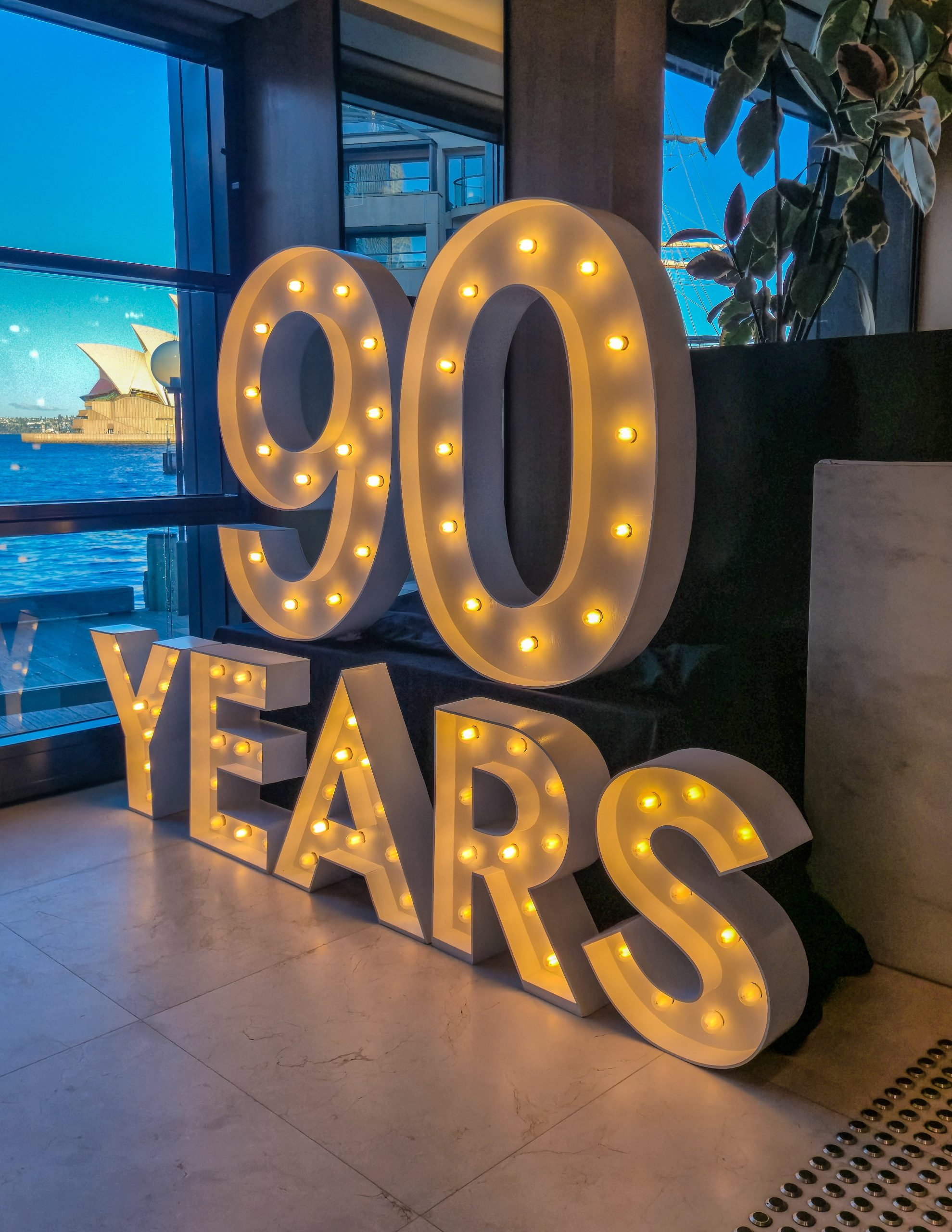
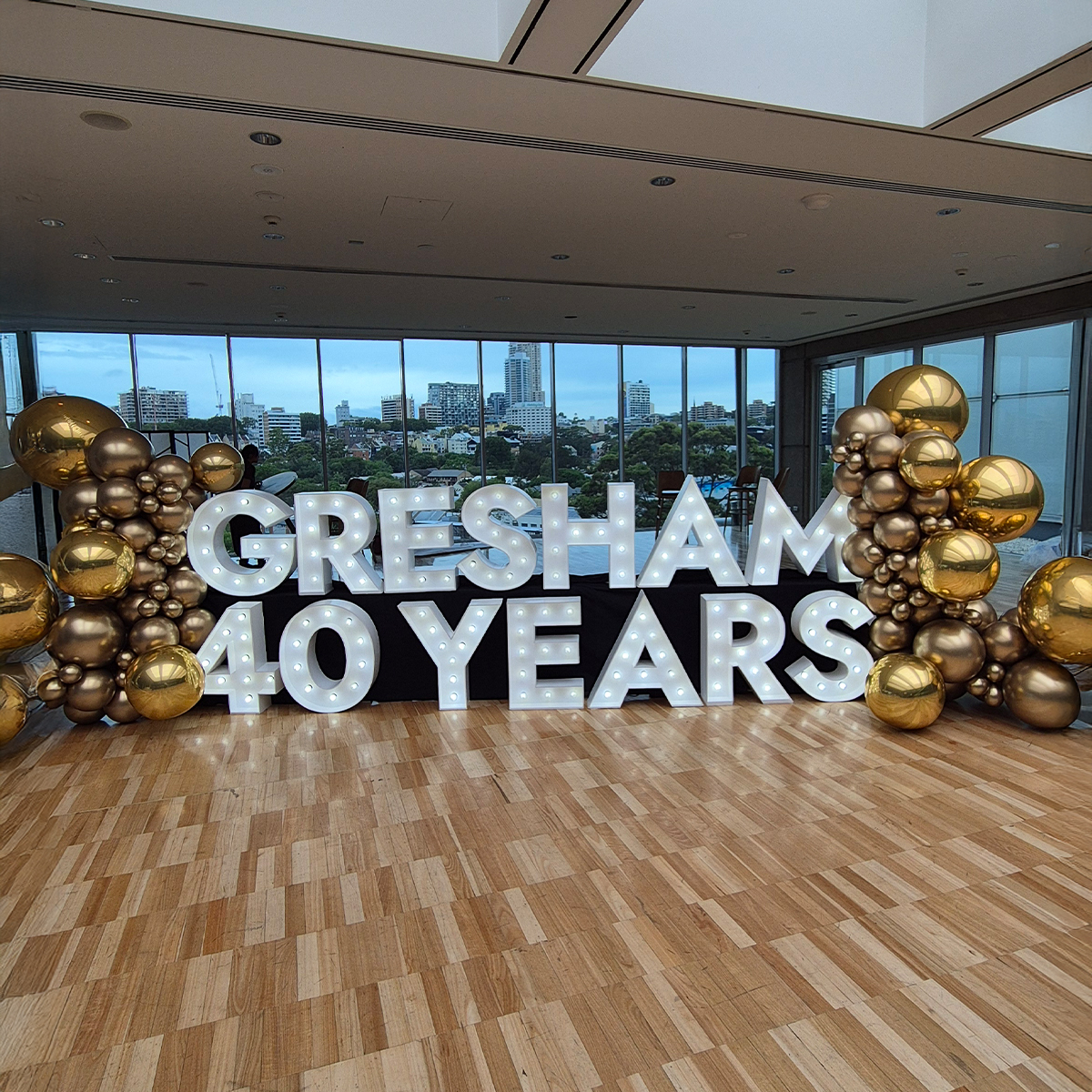
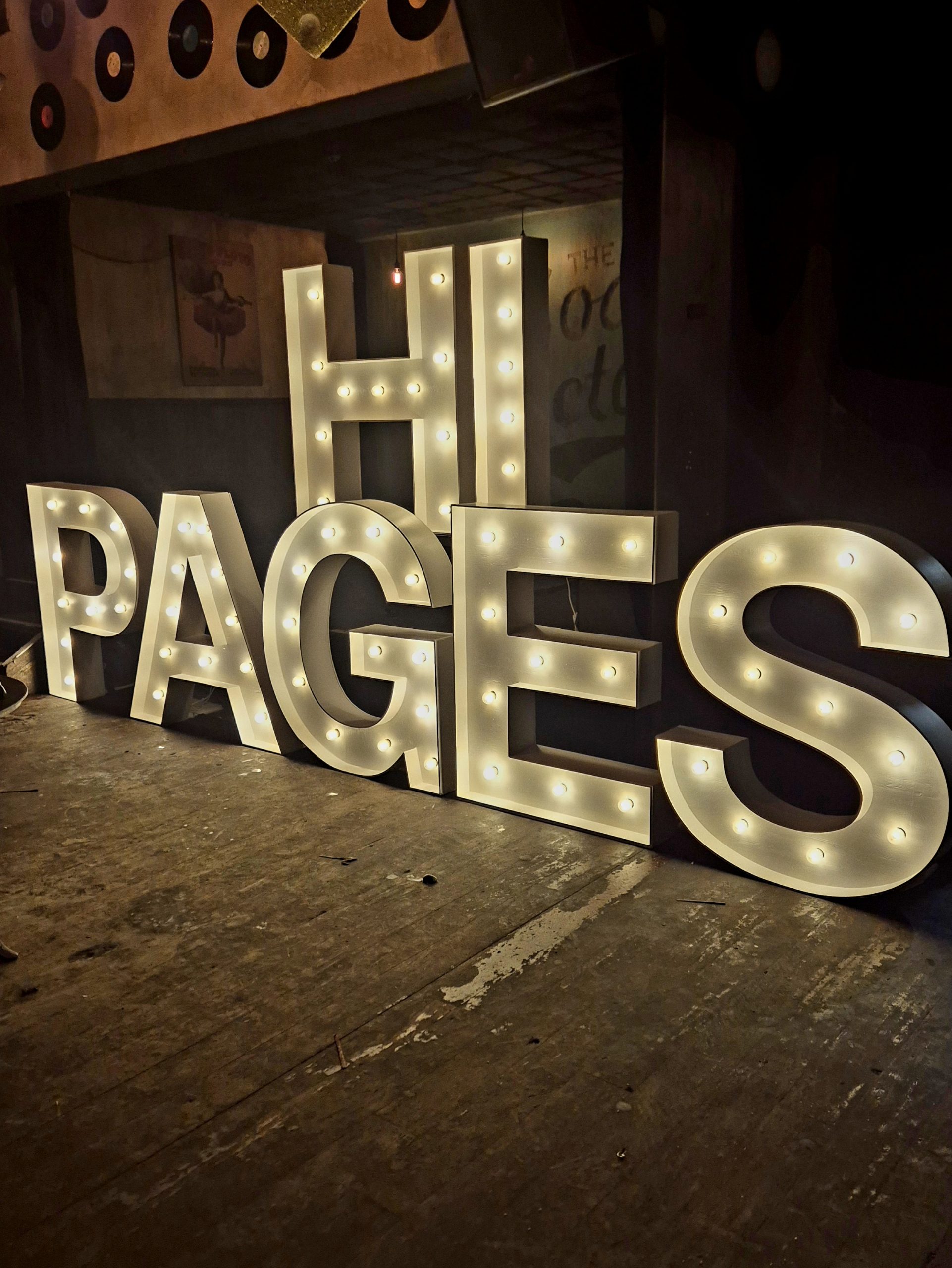
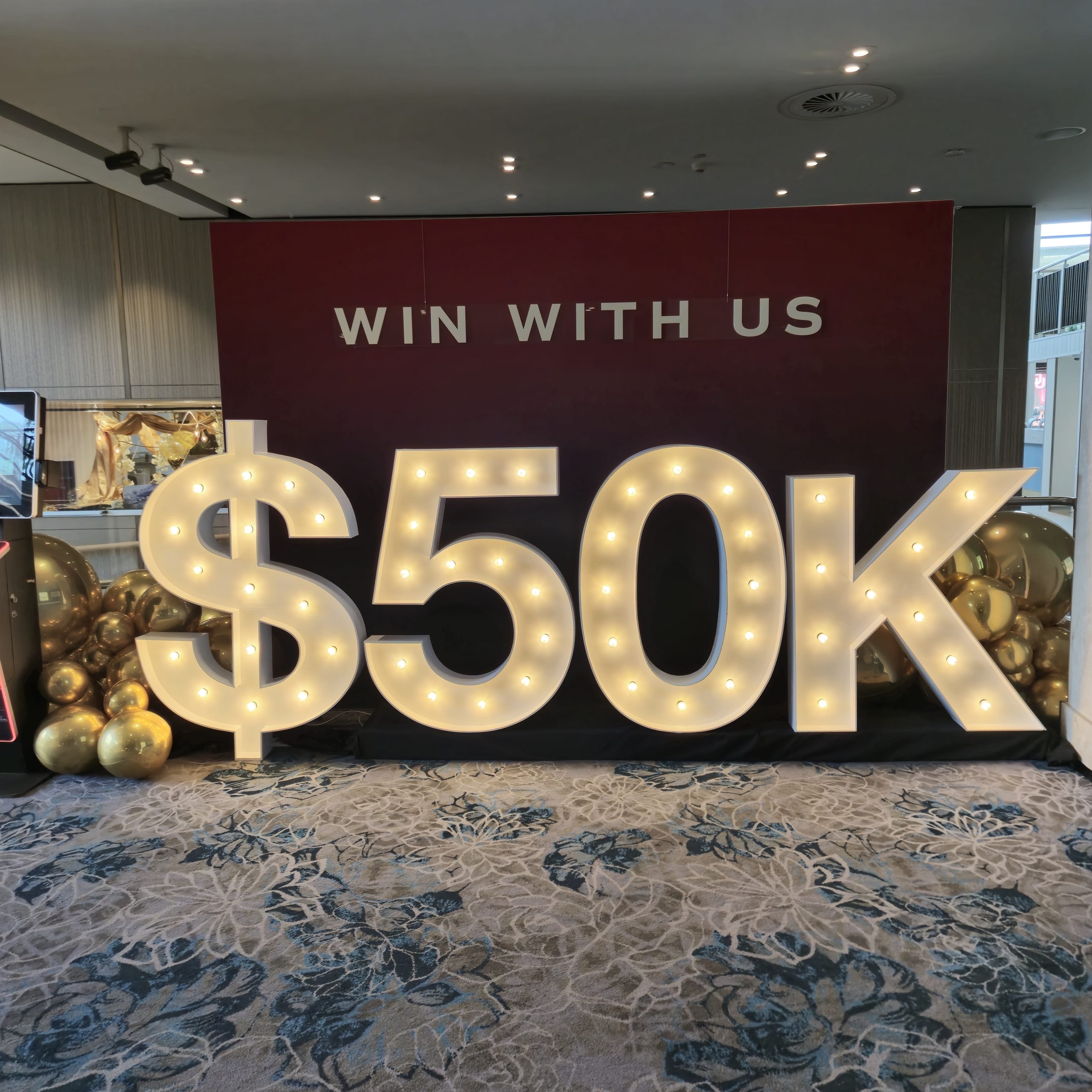
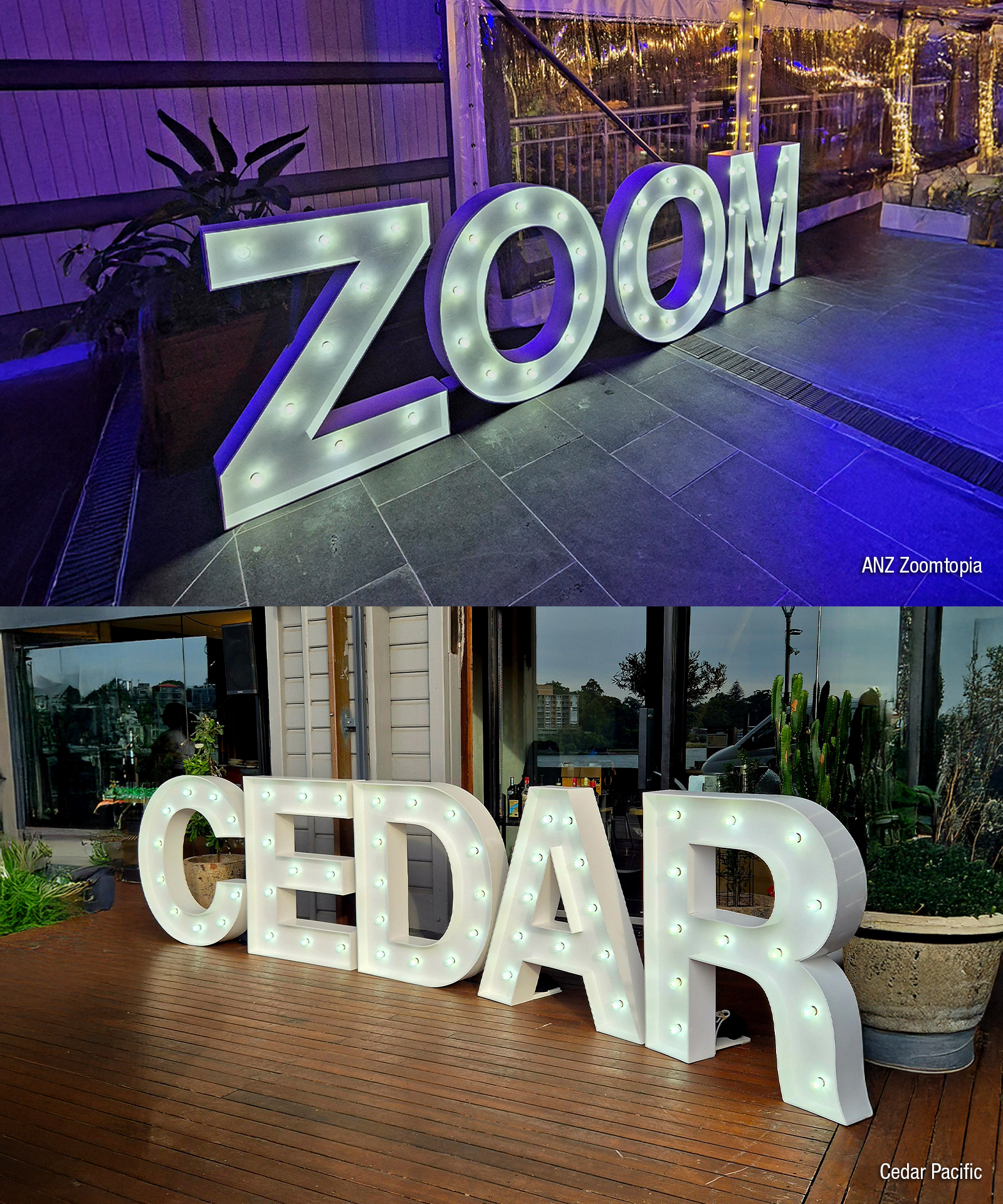
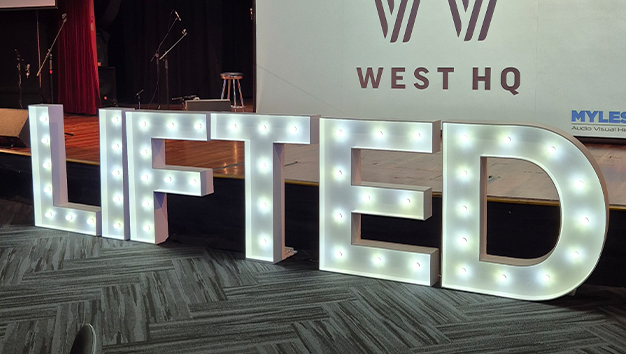
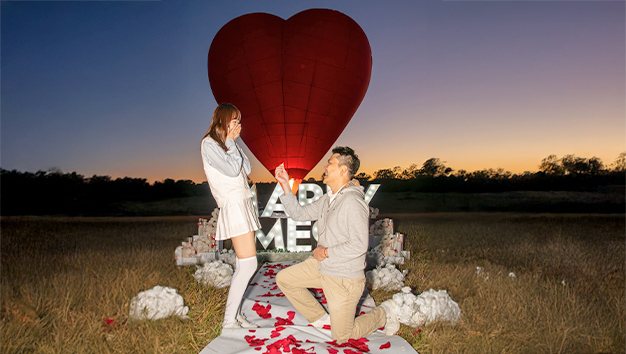
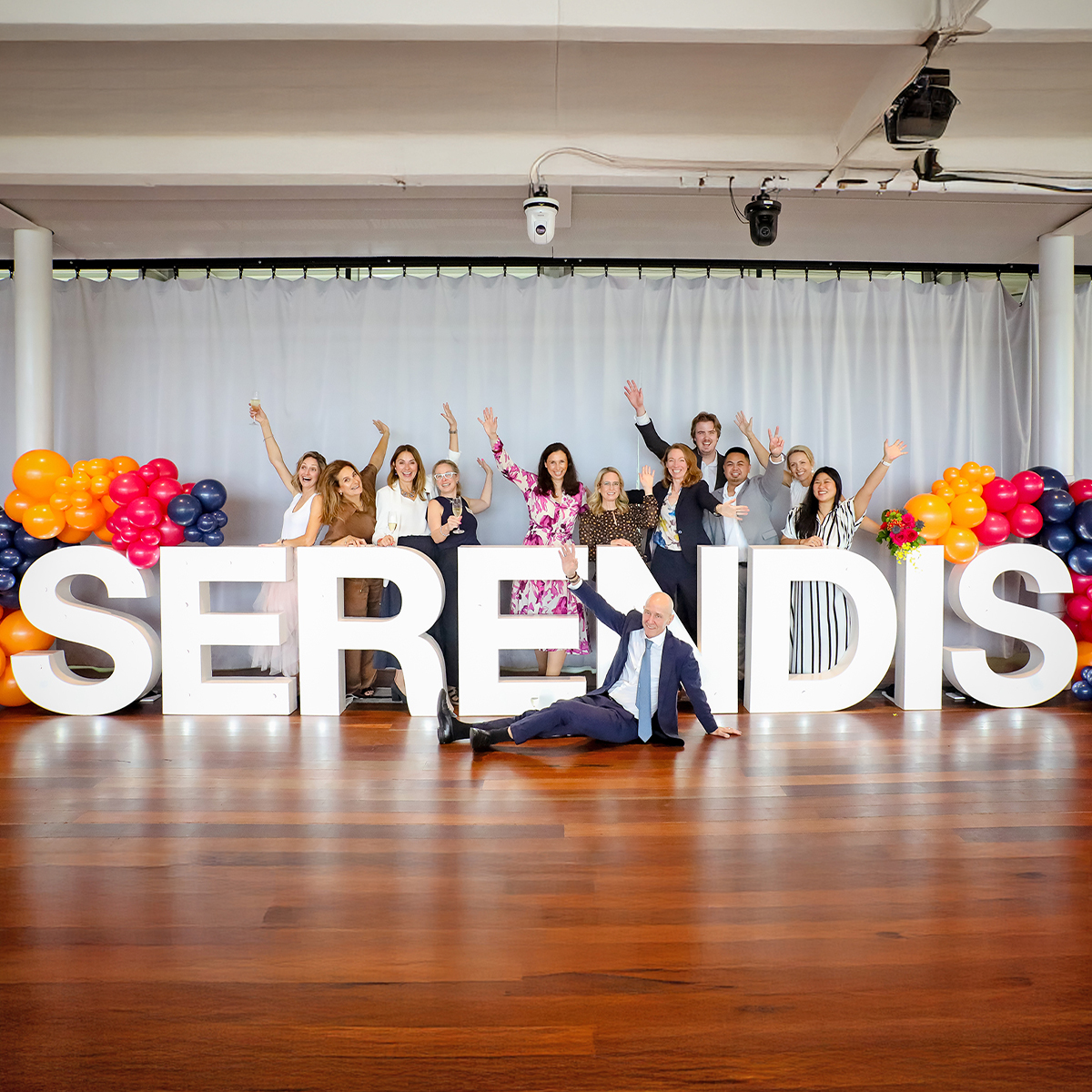
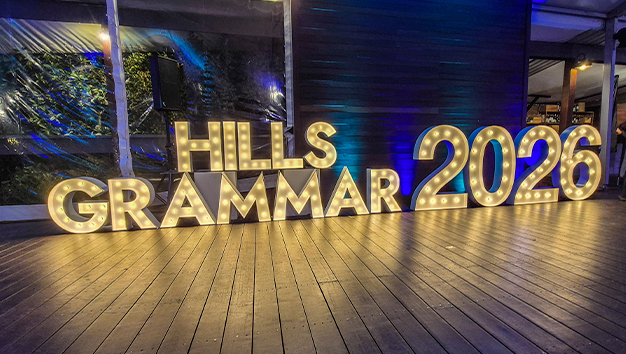
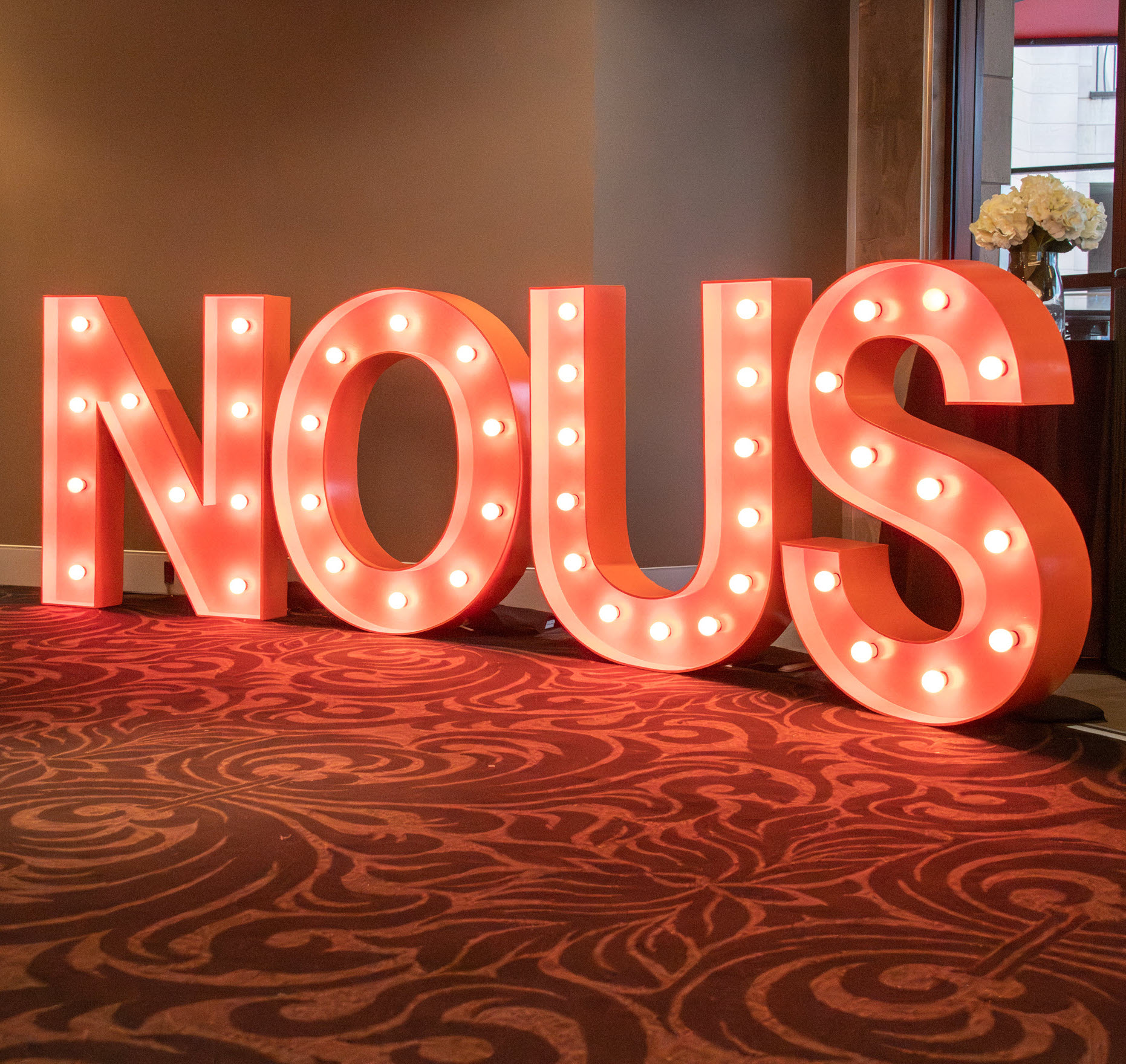
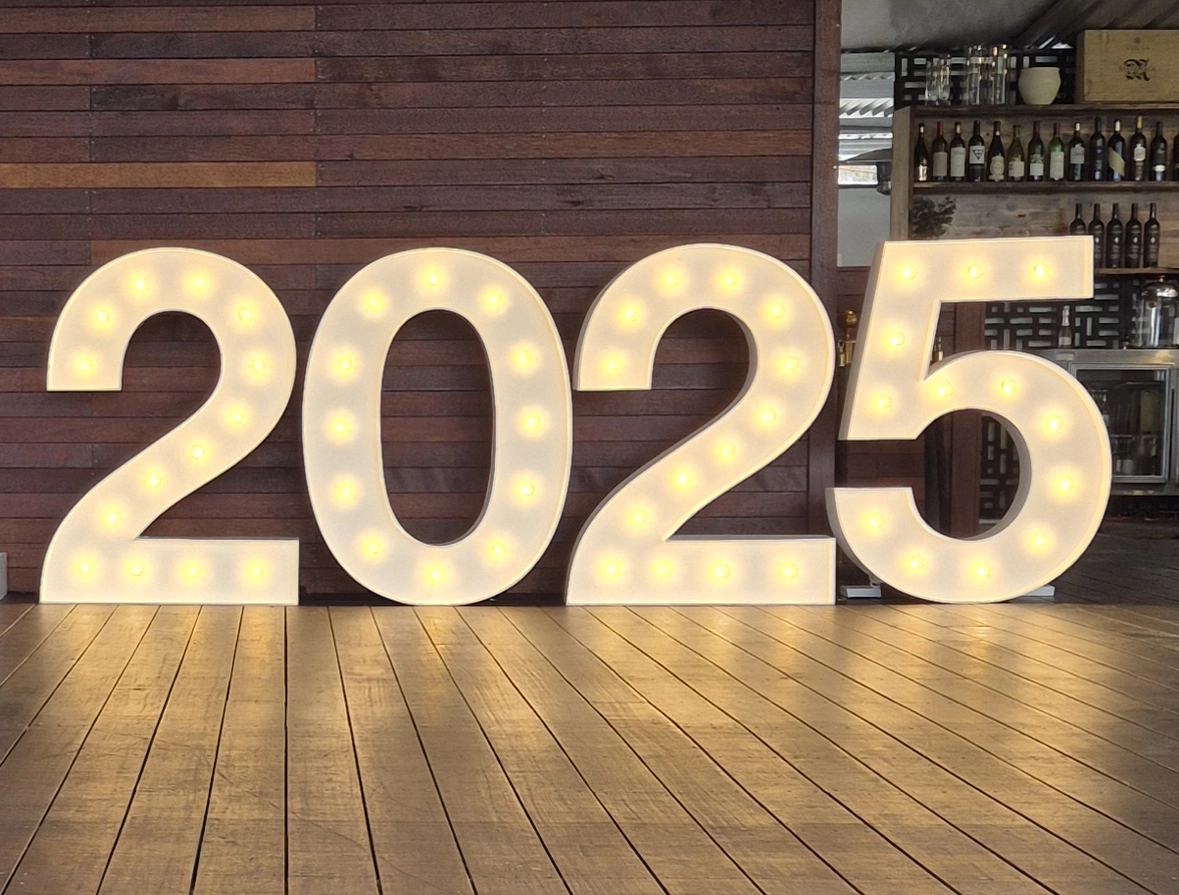
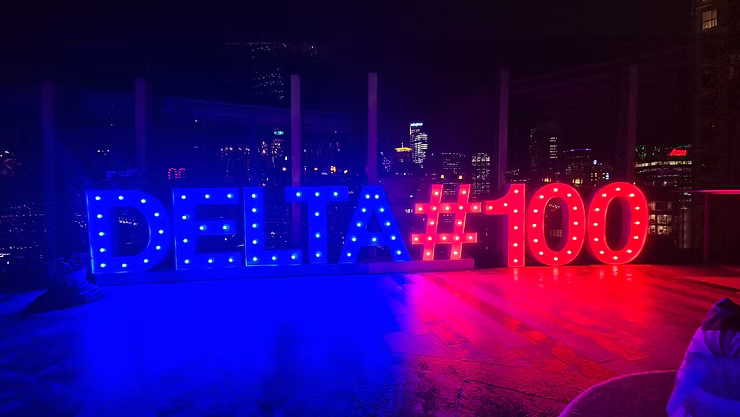
Walk into a gala at a Darling Harbour ballroom or a product launch in Alexandria and you’ll usually spot the warm glow of large-format letters before anything else. Event planners say it’s because lighting shapes a room long before guests make sense of the styling.
Light-up letters are increasingly being used as:
- the anchor point for guest arrivals
- a back-of-room balance in open spaces
- a replacement for complex backdrop builds
- a visual cue for where photos should be taken
In a crowded room, typography does something décor rarely manages: it gives people somewhere to gravitate toward.
Venue coordinators across Sydney describe the same pattern. When a focal point is clear and bright, guests naturally organise themselves around it. This has flow-on effects.
1. Better crowd movement
People cluster near the letters, which helps keep bar queues, stage areas and staff pathways uncluttered.
2. Stronger photo moments
Professional photographers prefer a predictable, well-lit backdrop. So do guests. Good lighting prevents silhouetted faces and reduces the need for harsh flash.
3. Less visual noise
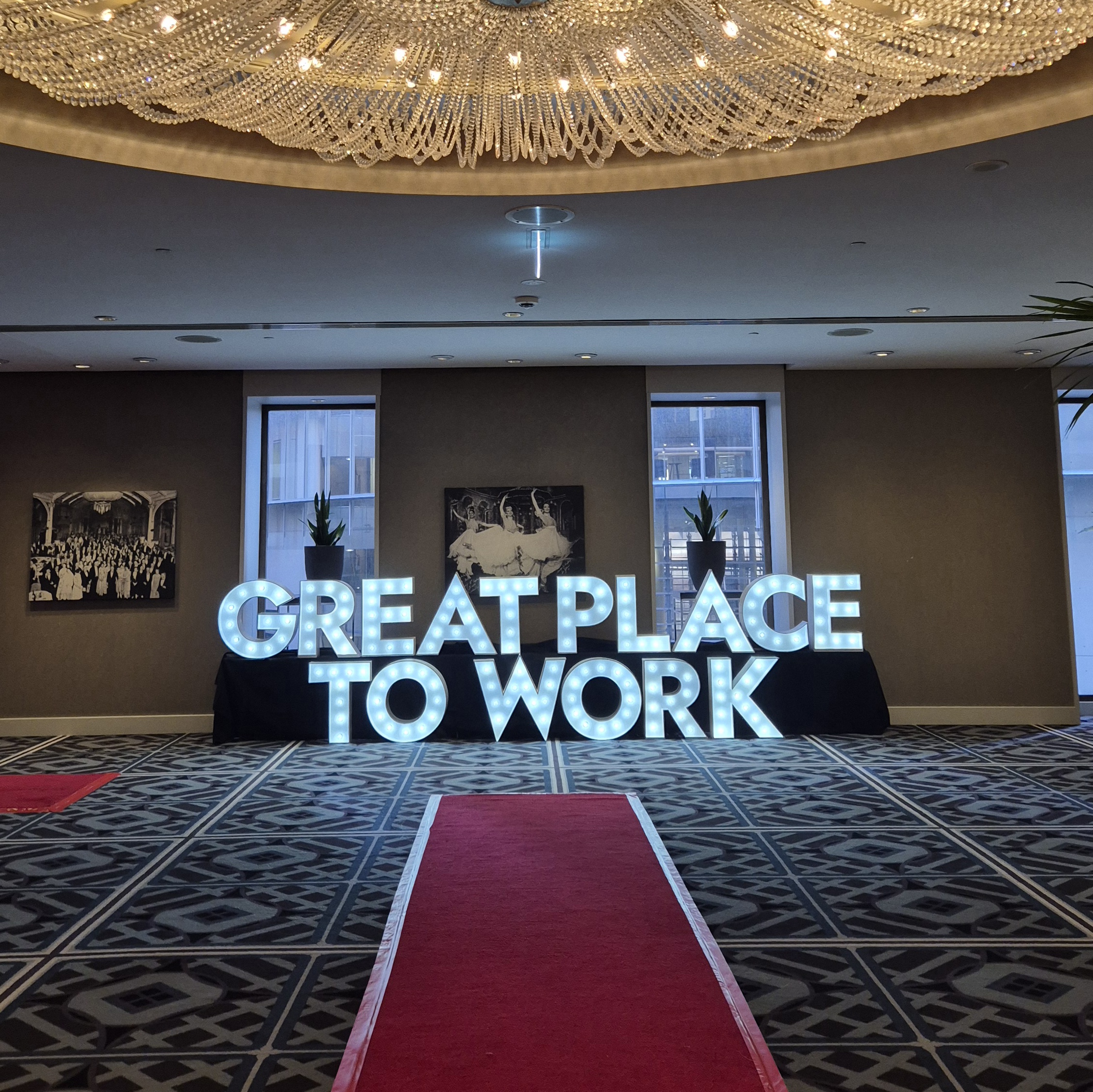
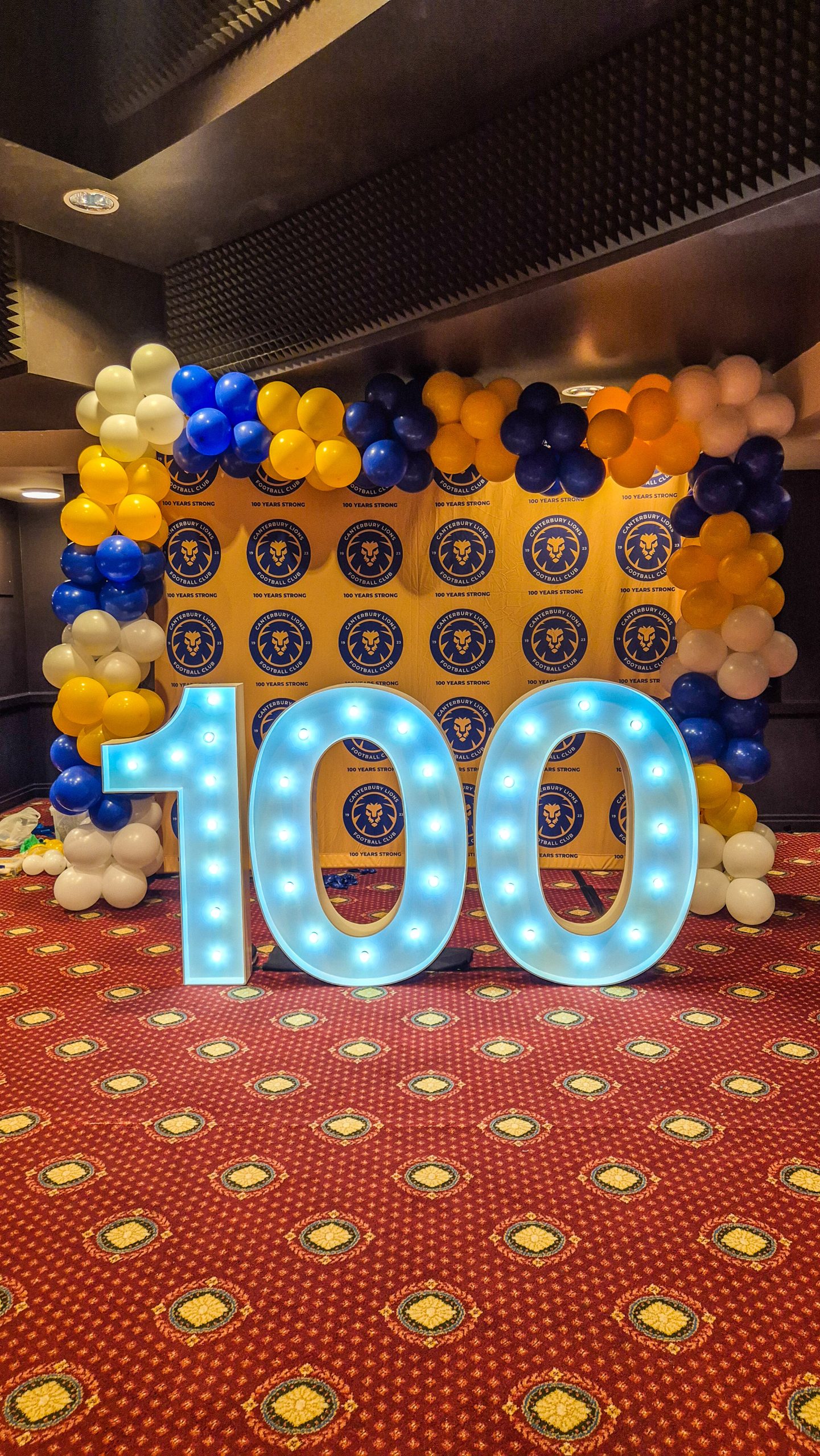
Hotels and function centres often have patterned carpets, mirrors or low ceilings that limit décor options. A single bright installation simplifies the background.
The way letters are used varies by venue style. Each space has its own constraints — and opportunities.
Common Approaches Across Sydney Venues
These choices aren’t aesthetic alone — they’re functional. For many venues, light-up letters solve practical problems other décor simply can’t.
Event managers are not only thinking about style. They’re thinking about turnover times, safety checks and how suppliers move equipment through the building.
Here are the points they raise most often:
- Loading dock access: Historic and older buildings may have tight lifts or long service corridors — modular letters fit where rigid installations can’t.
- Electrical compliance: LED globe letters run cool and low-voltage, meeting venue requirements for heat output and PAT testing.
- Fast bump-in windows: Many CBD venues allow less than 60 minutes between events; letters can be installed without tools or construction time.
- Safety: Freestanding structures avoid the need for wall hooks, ceiling rigs or drilling.
- Venue restrictions: When signage, sparklers and pyrotechnics aren’t allowed, illuminated letters are often the fallback option.
For venue managers, the supplier’s reliability and ability to work around building constraints is sometimes more important than the décor itself.
Branding at events has become more than a logo on a lectern. Sydney’s corporate sector now uses illuminated typography to create:
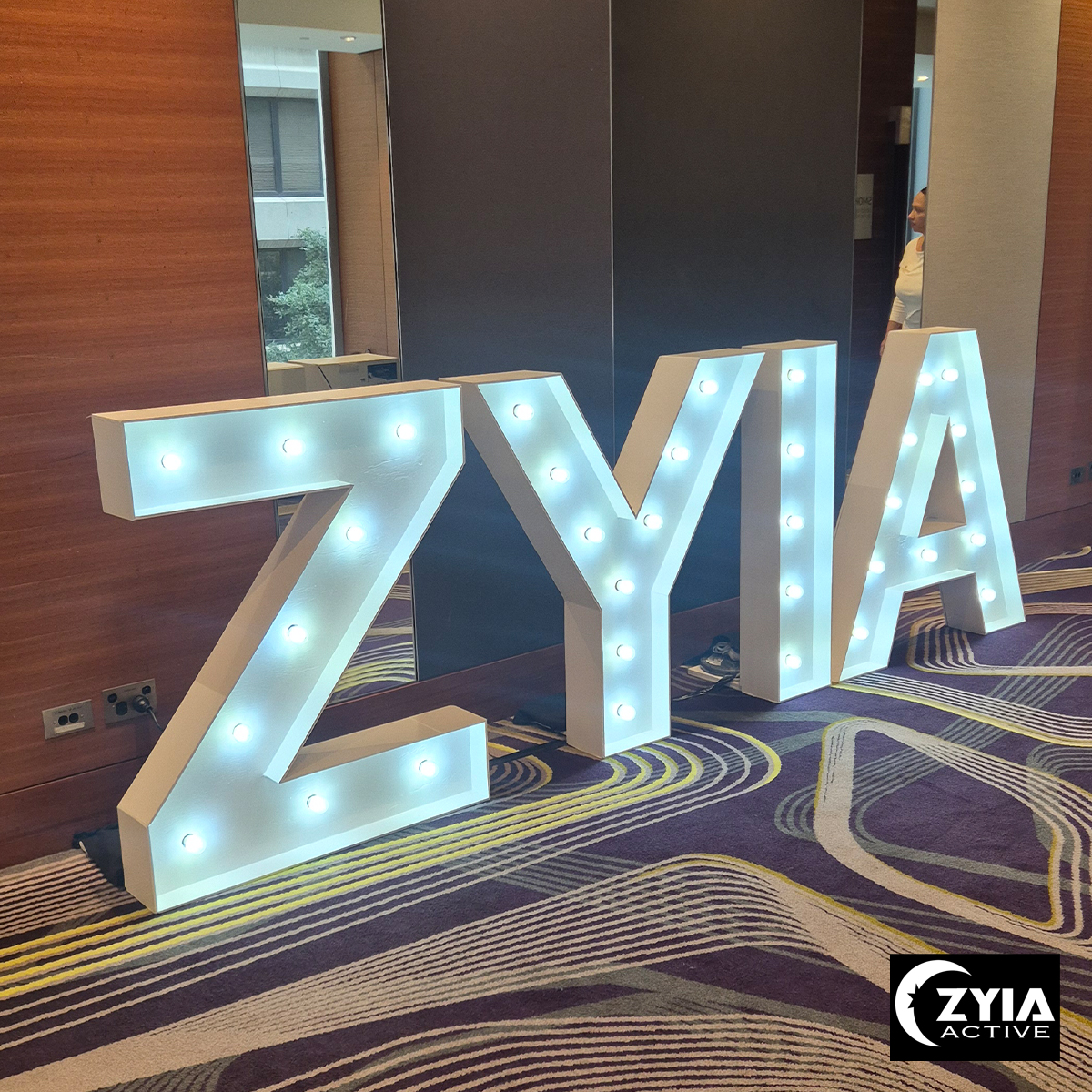
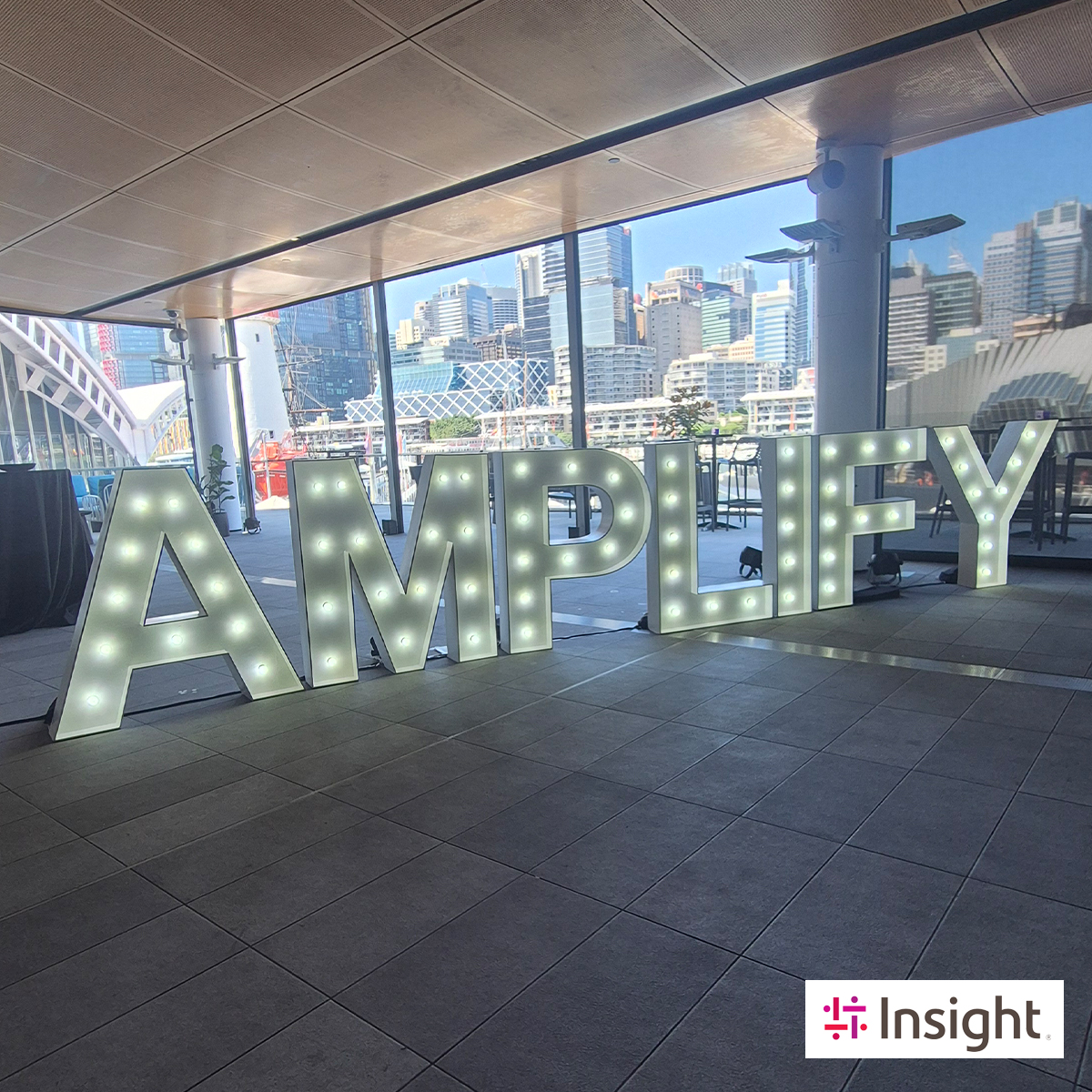
- abbreviated company names
- product codes
- slogans
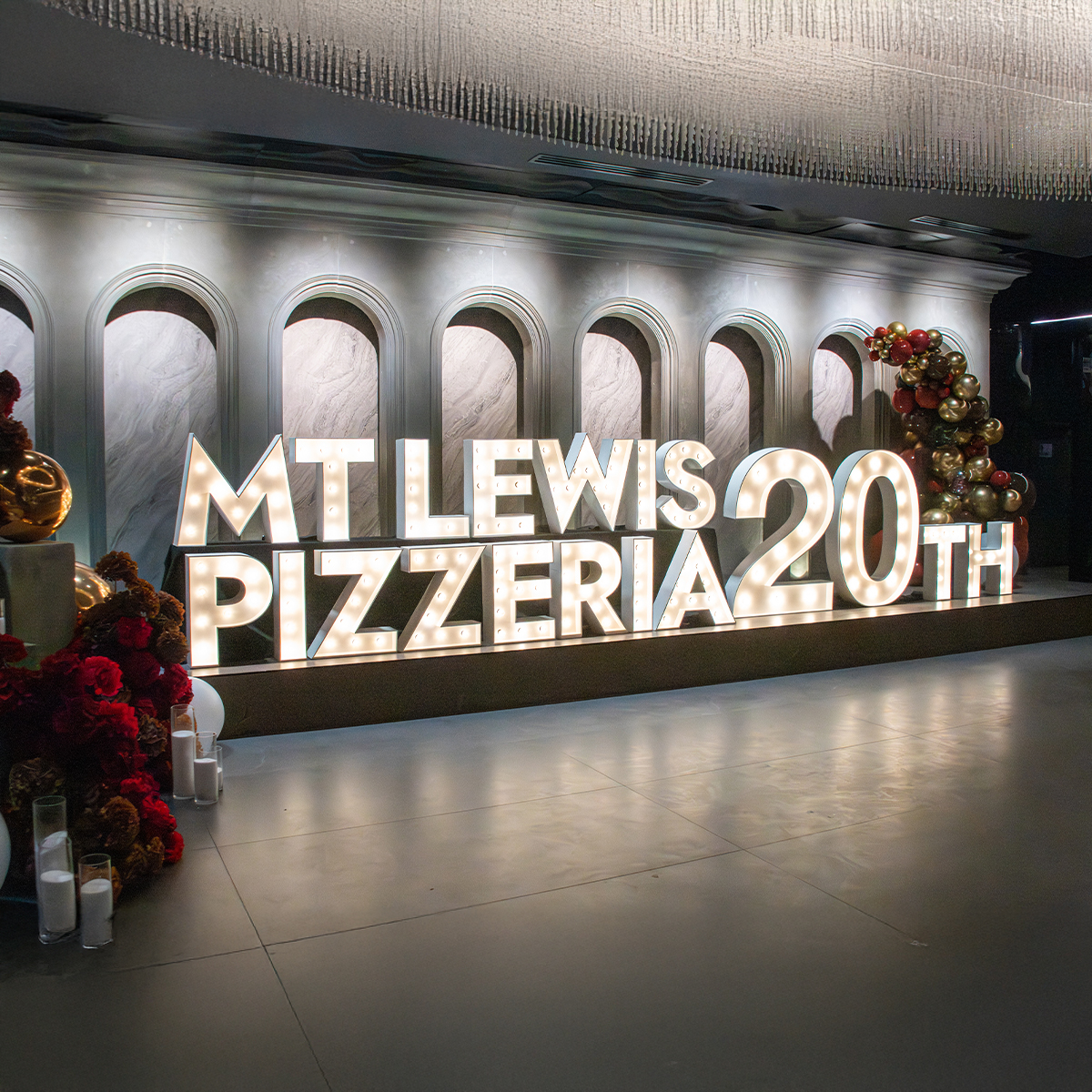
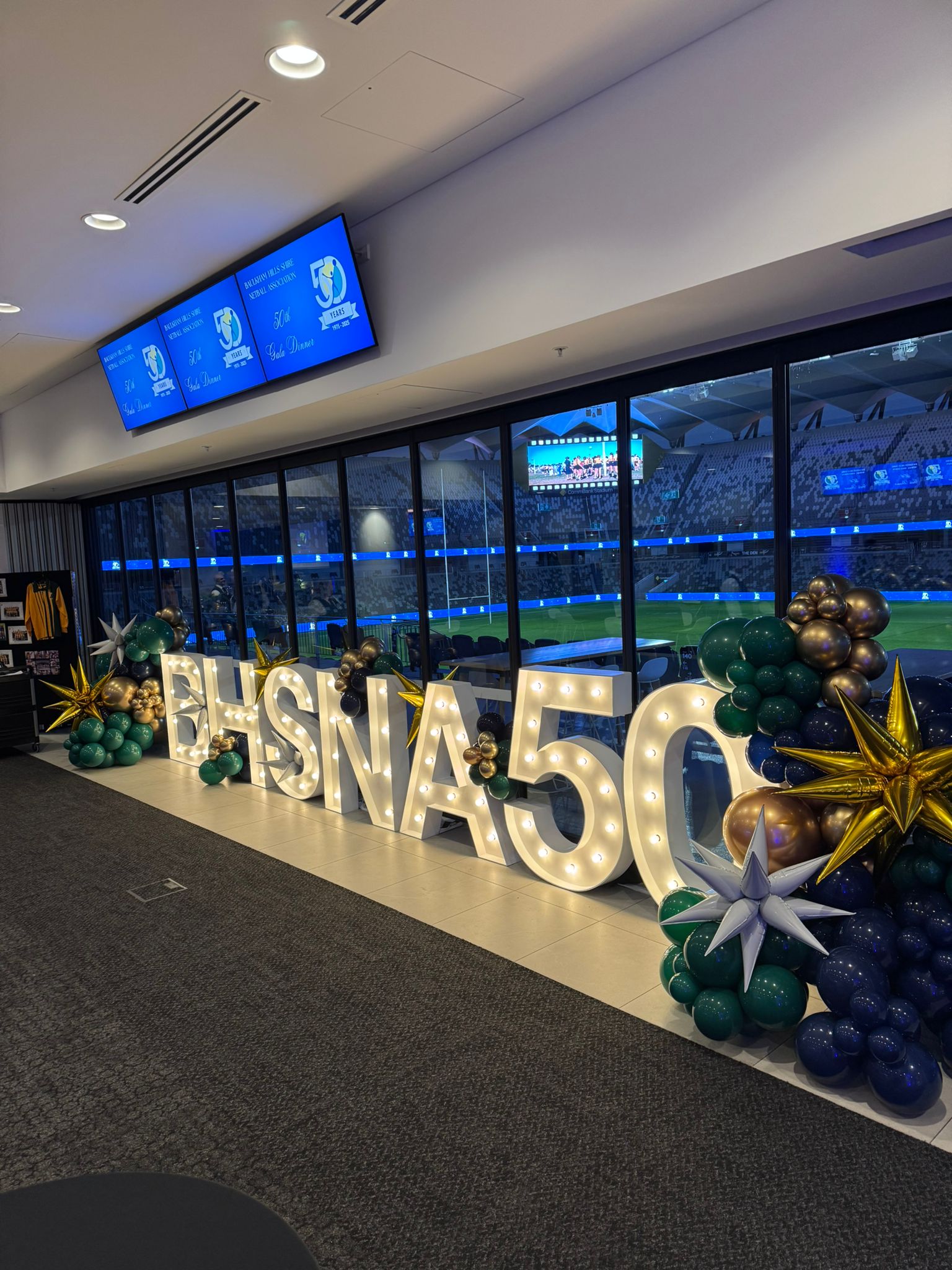
- anniversary numbers
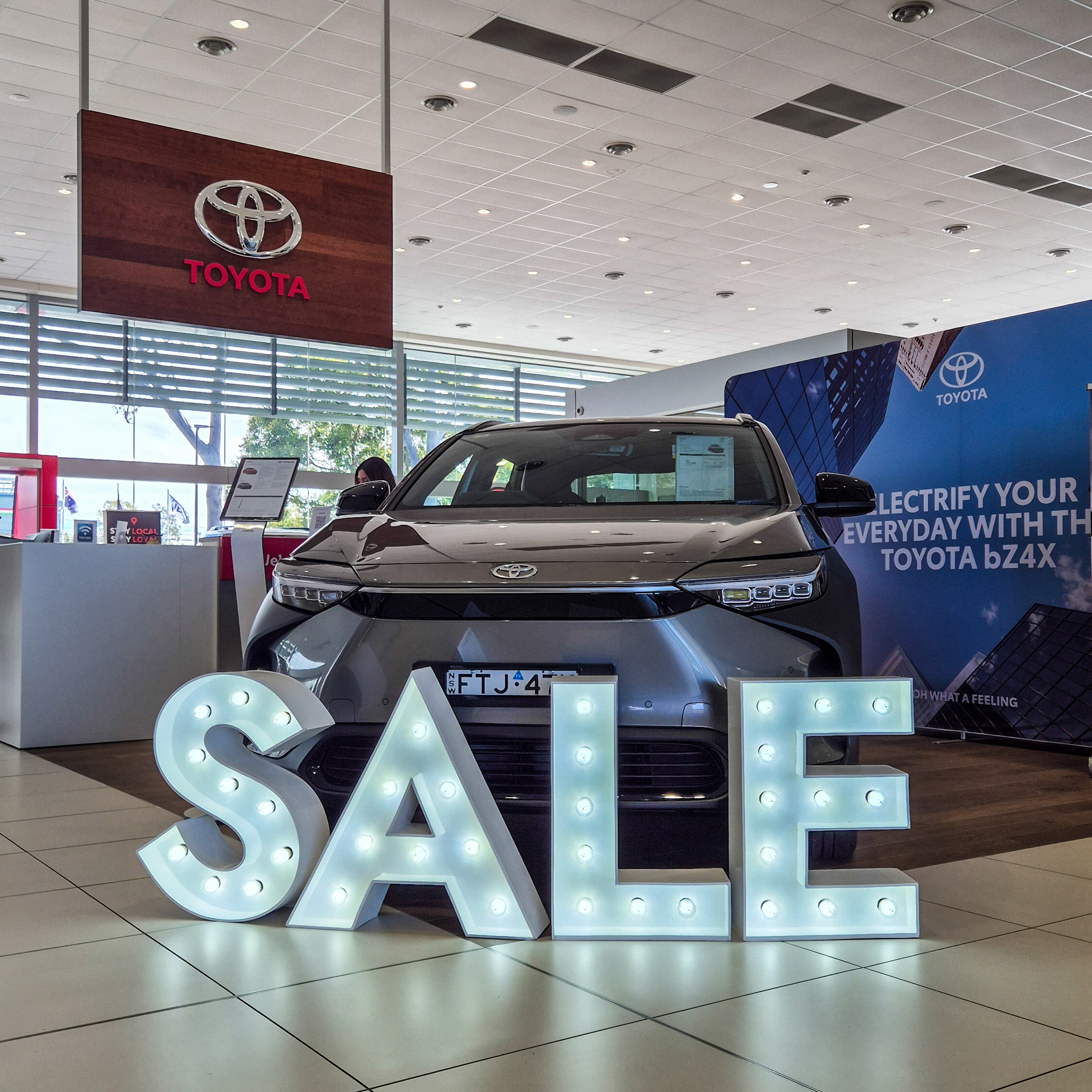
- directional cues (“$50K”, “SALE”, “VIP”)
These installations photograph cleanly for social media and internal communications: two areas companies now prioritise when evaluating event value.
Event planners say typography creates consistency across photography, video recaps, and the inevitable LinkedIn posts that follow.
Designers talk about décor. Guests talk about how a room feels. And lighting — even something as simple as warm white letters — changes the emotional experience of an event.
- Light-up displays reduce the need for flash photography, which often flattens skin tones and kills atmosphere.
- They give guests “permission” to take photos without blocking the main stage.
- They help small venues feel more intentional and large venues feel more cohesive.
Put simply: people remember the glow.
Light-up letters have shifted from novelty items to reliable components of event design. They’re chosen not for spectacle alone, but because they solve practical challenges. On tight timeframes for getting a venue dressed, even venues with poor ambient lighting and awkward room shapes are no problem for the versatility of light up letters. They make an obvious and powerful statement every time.