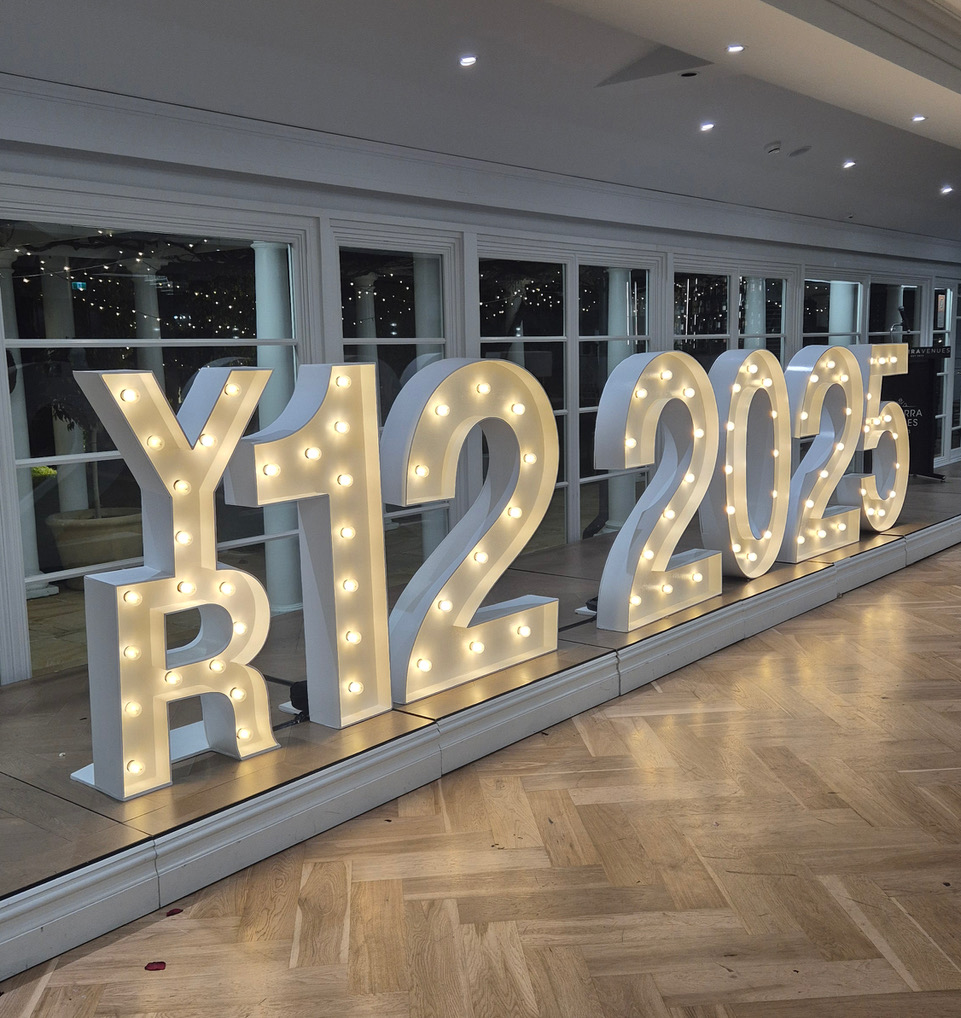
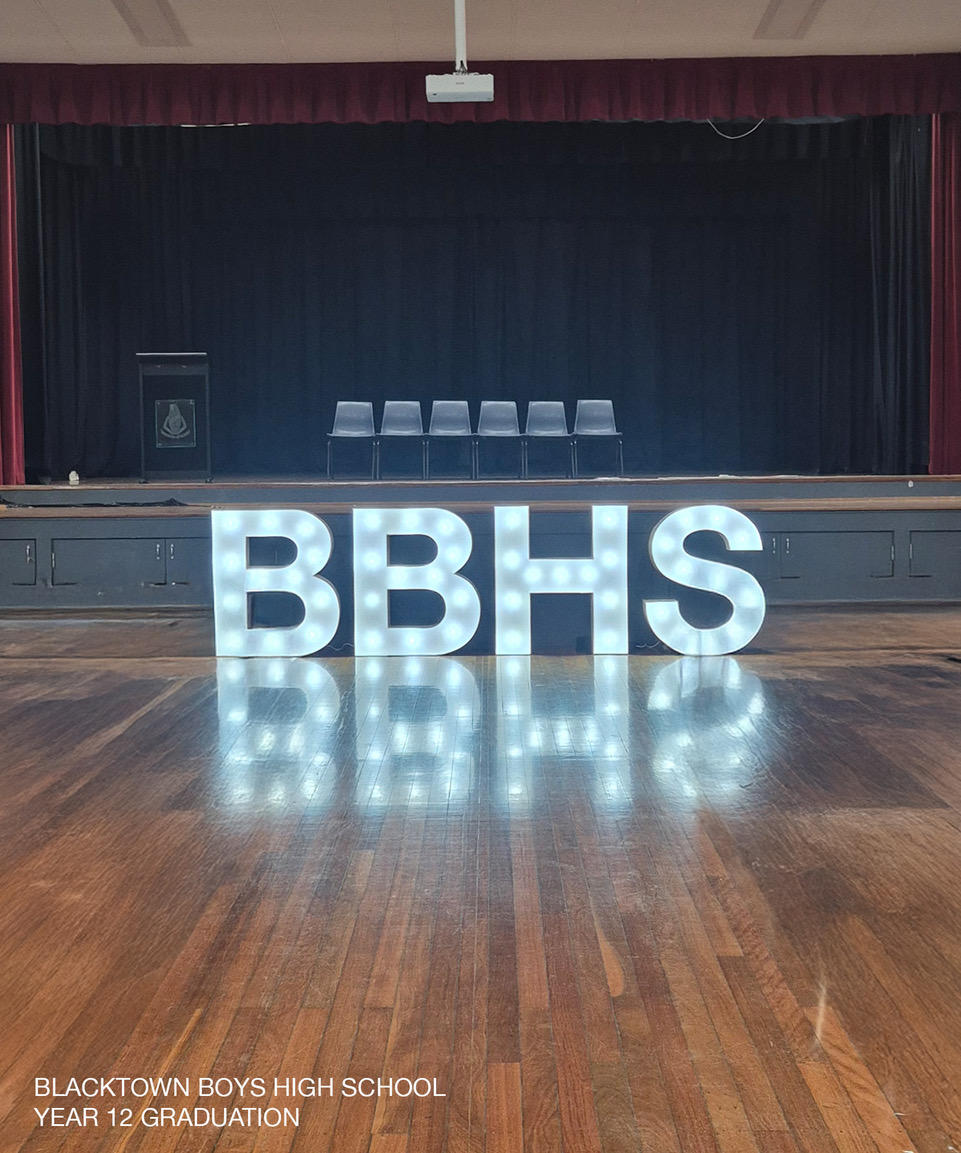
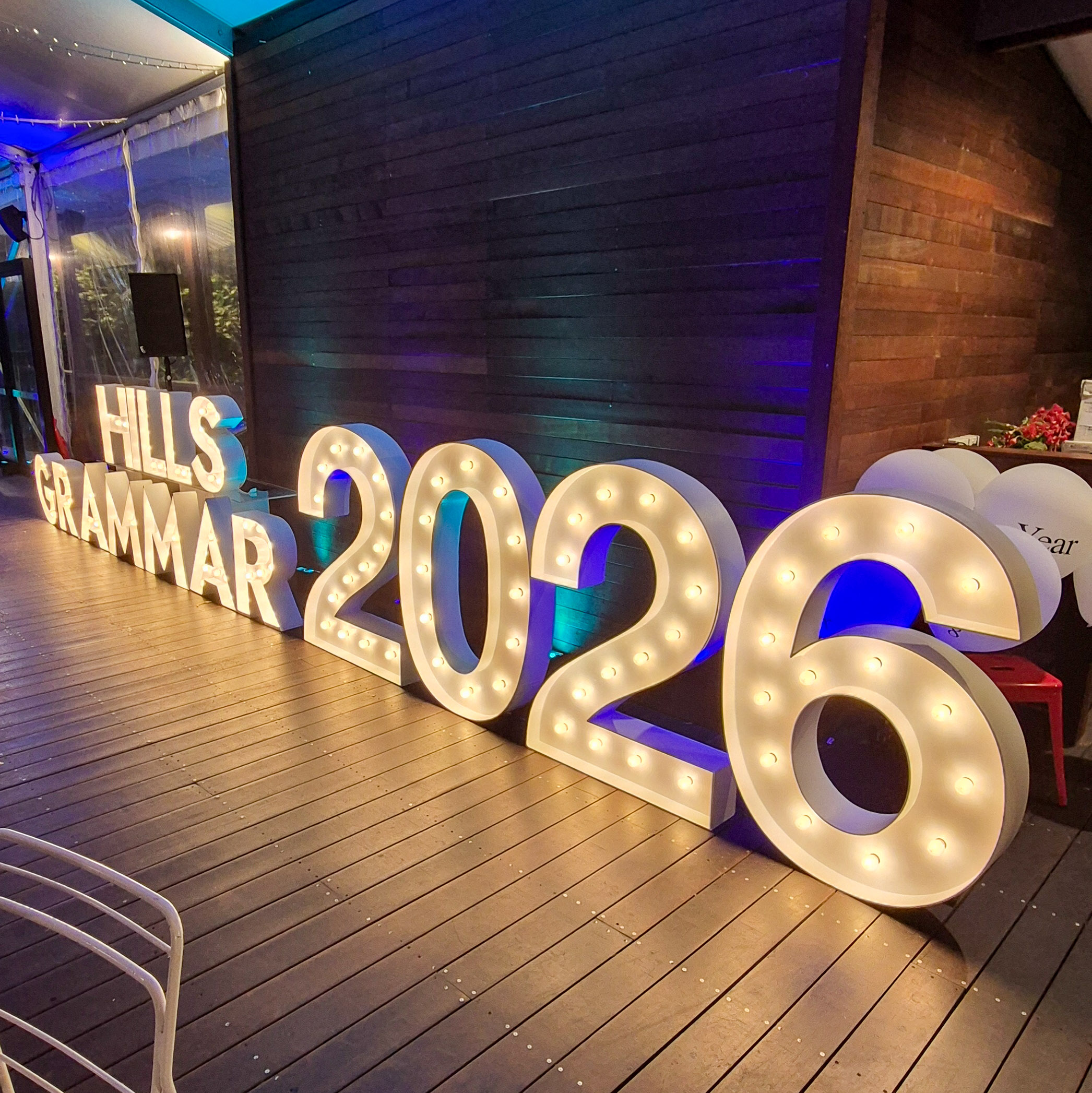
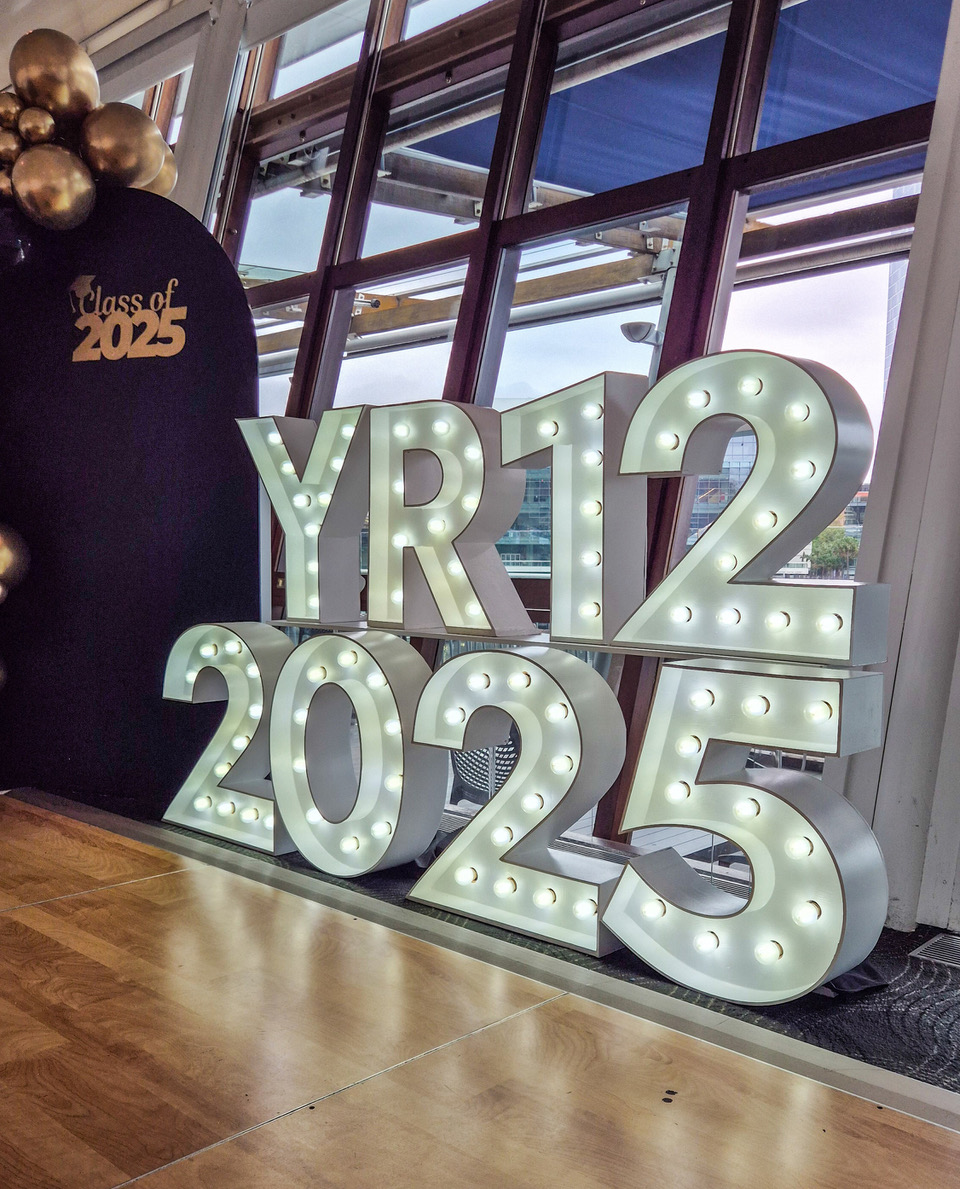
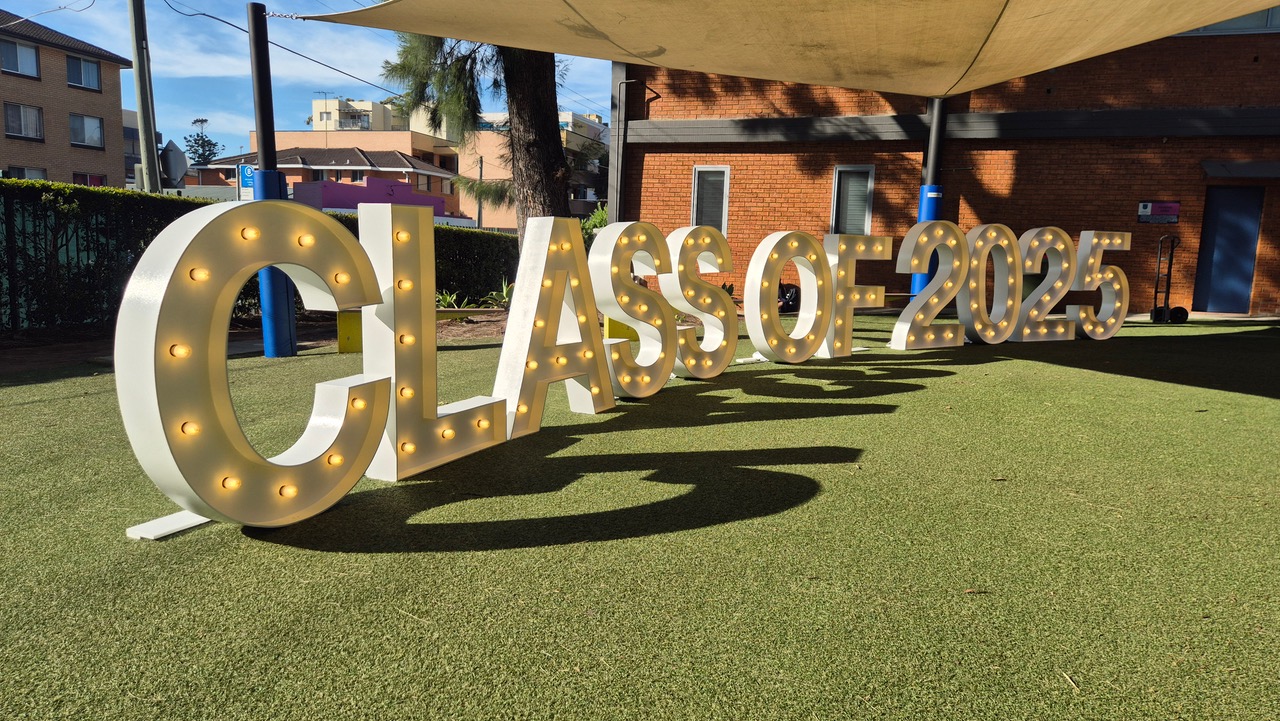
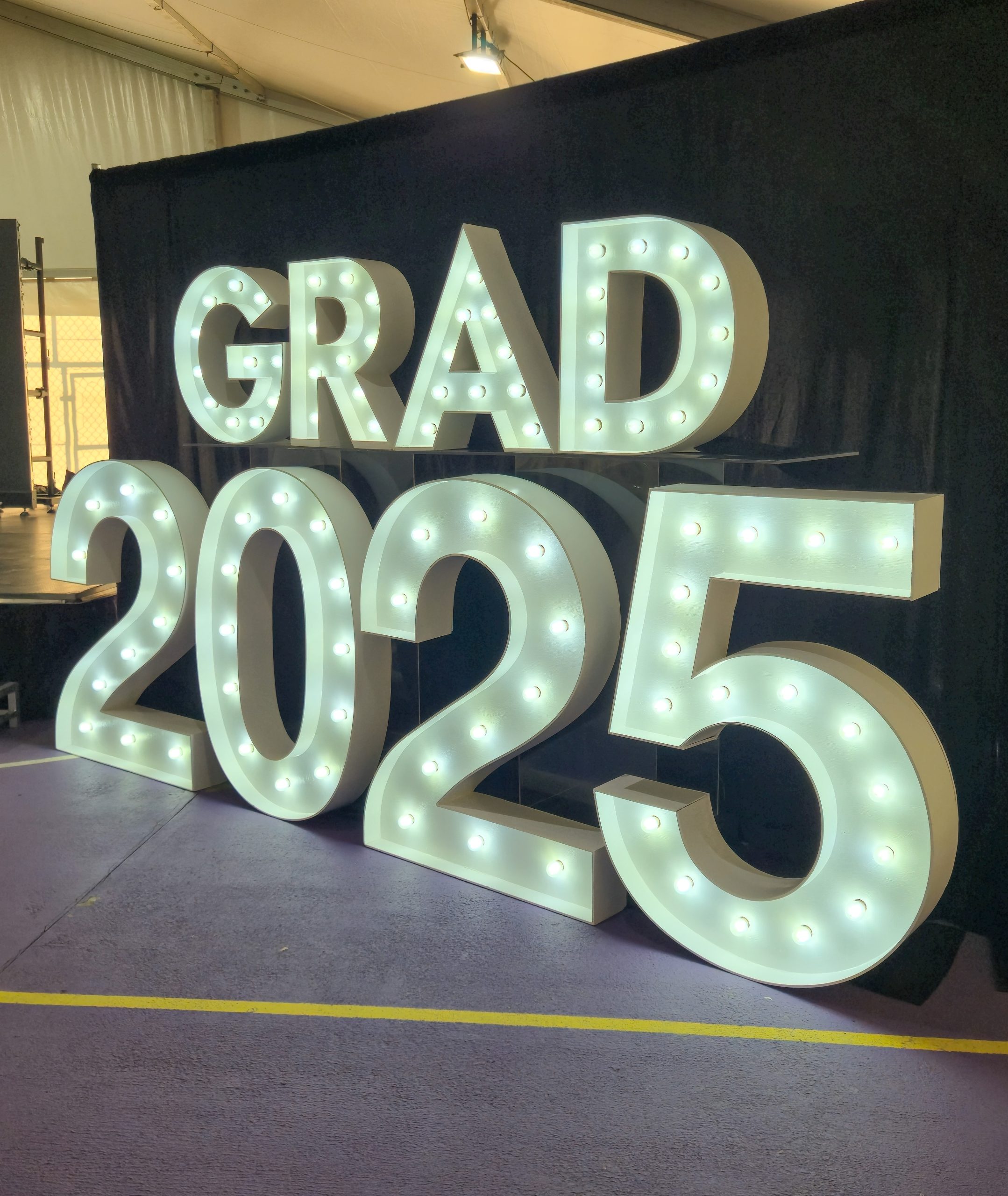
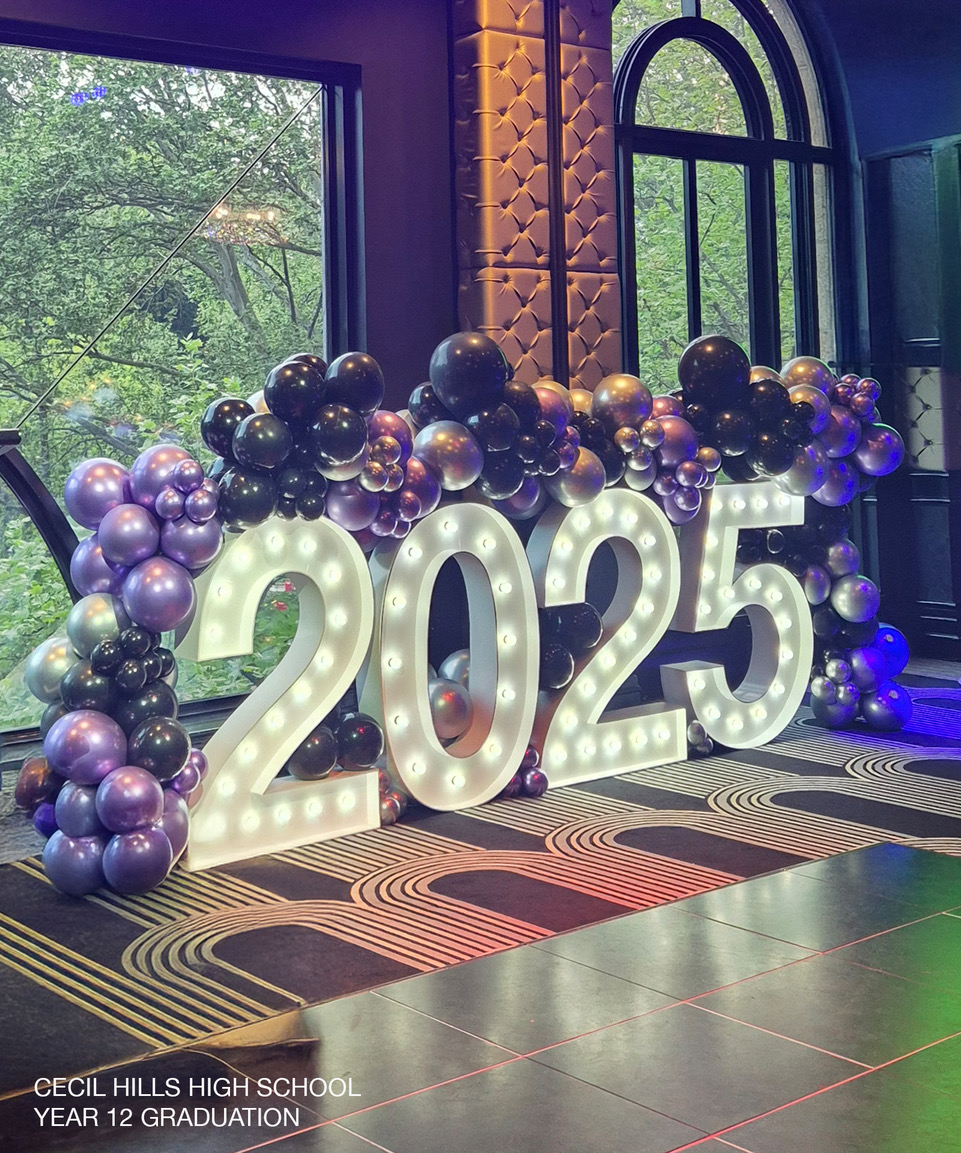
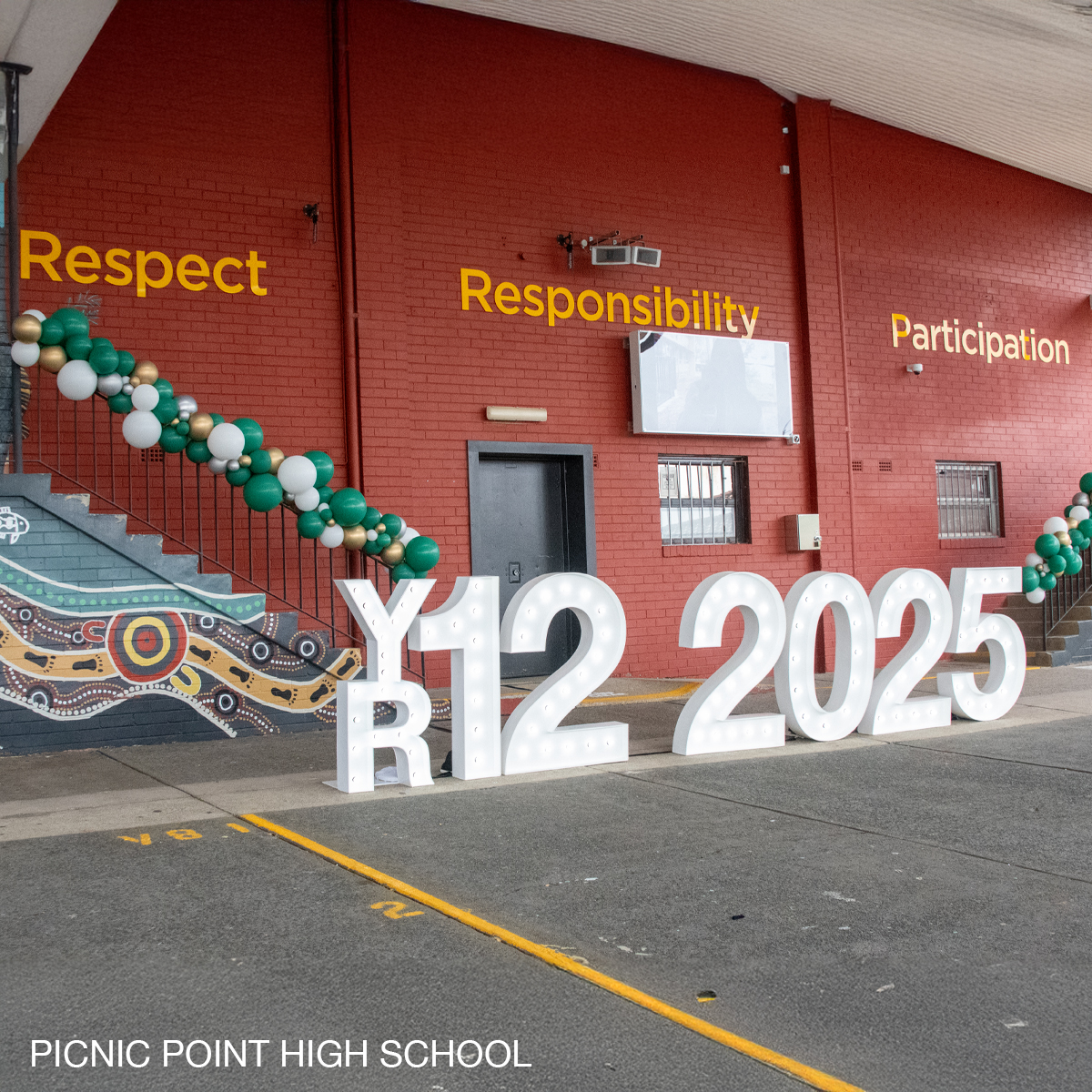
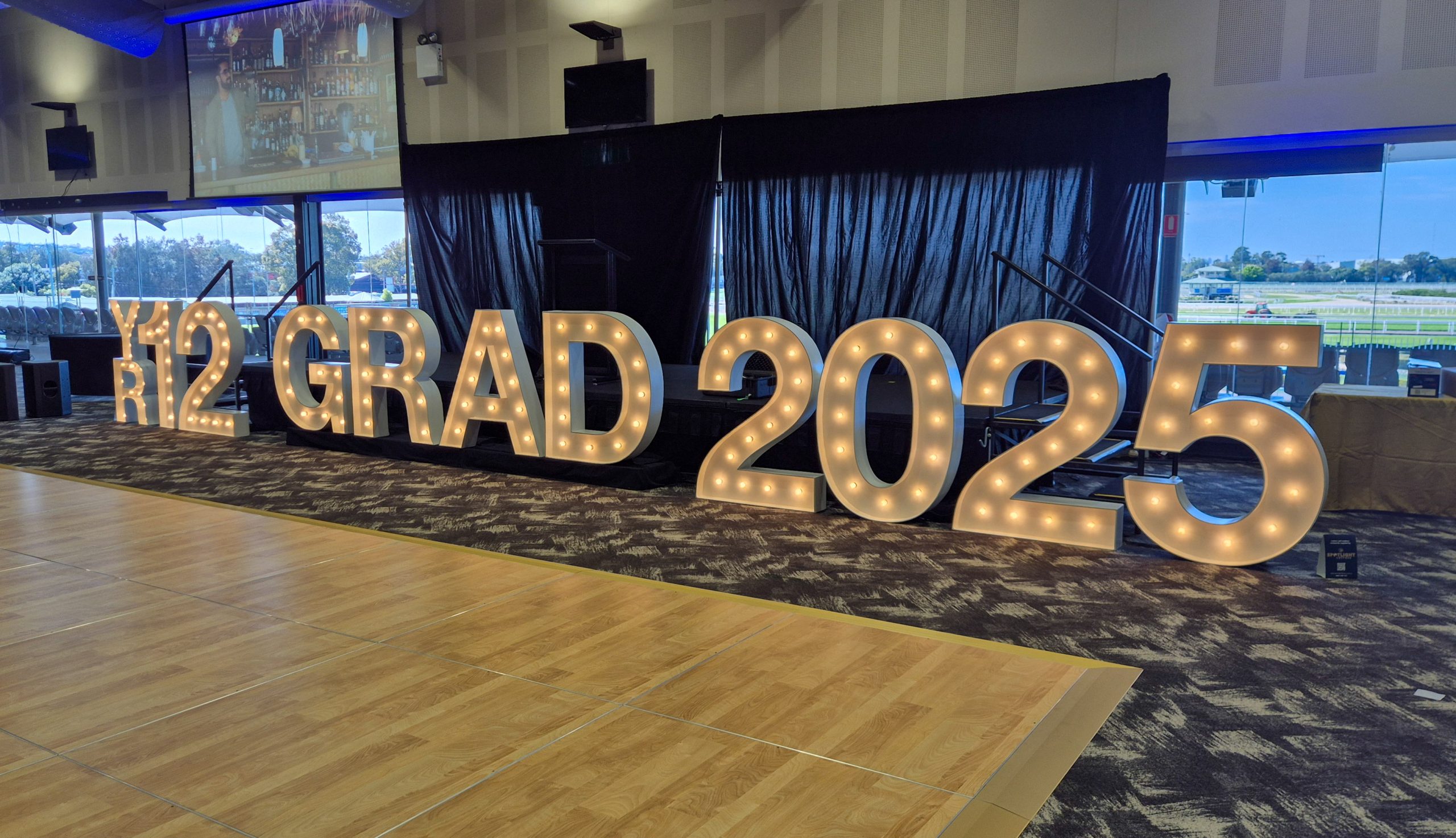
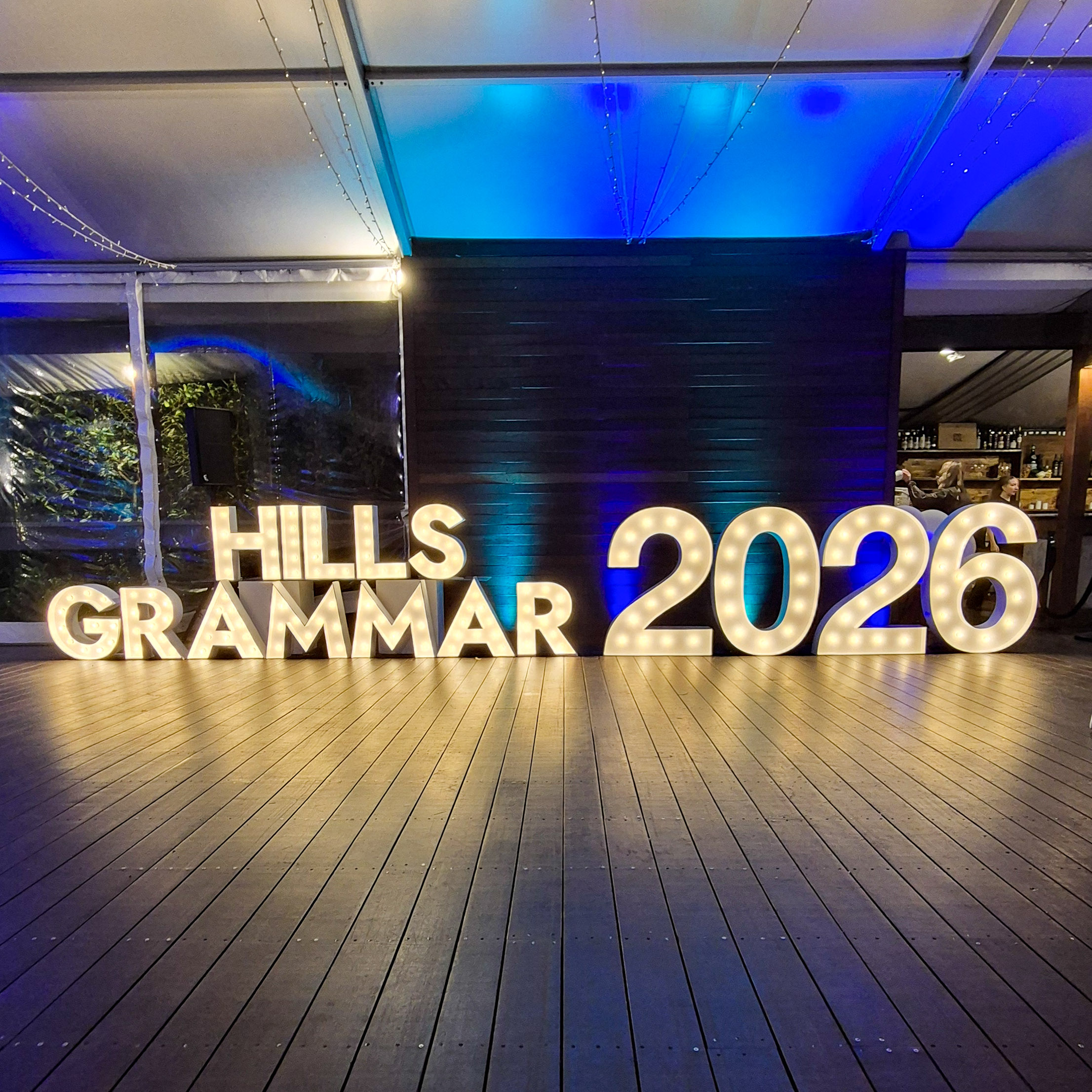
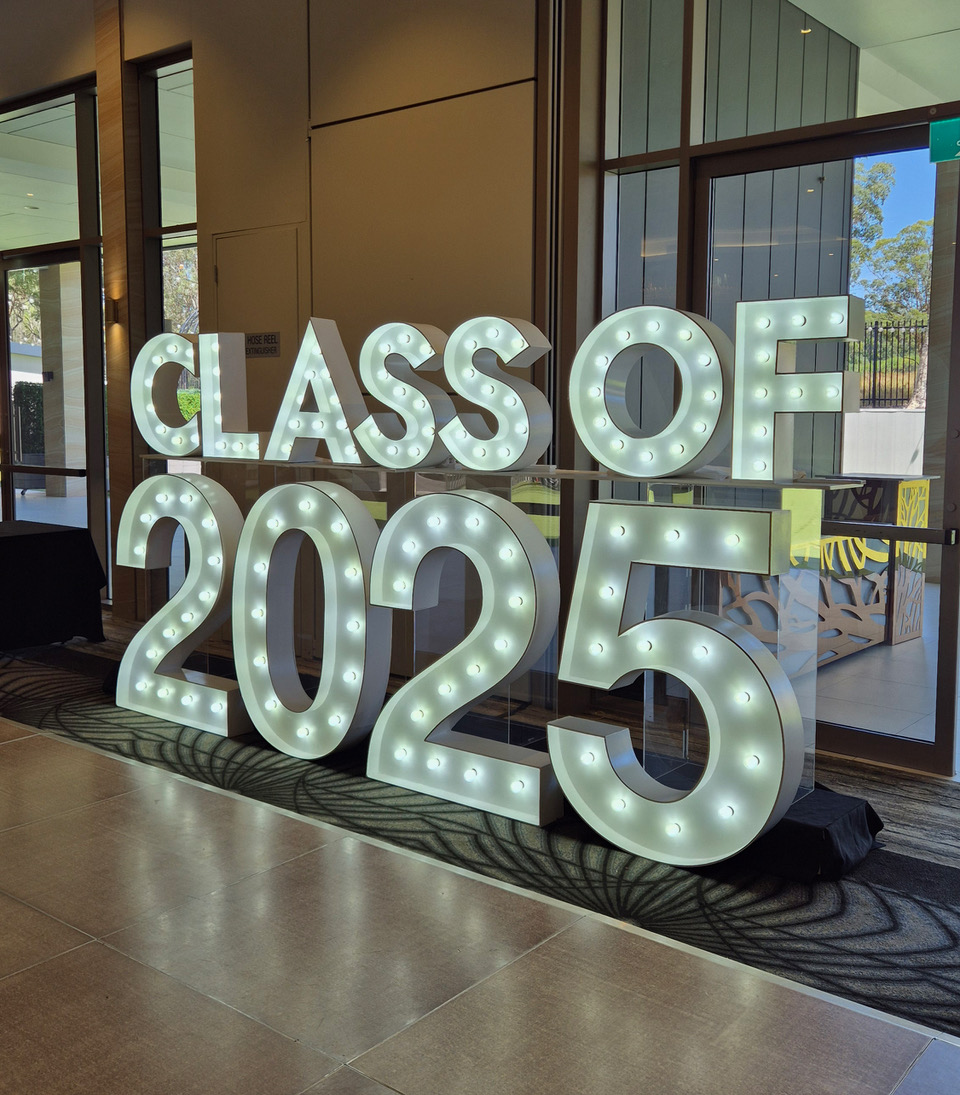
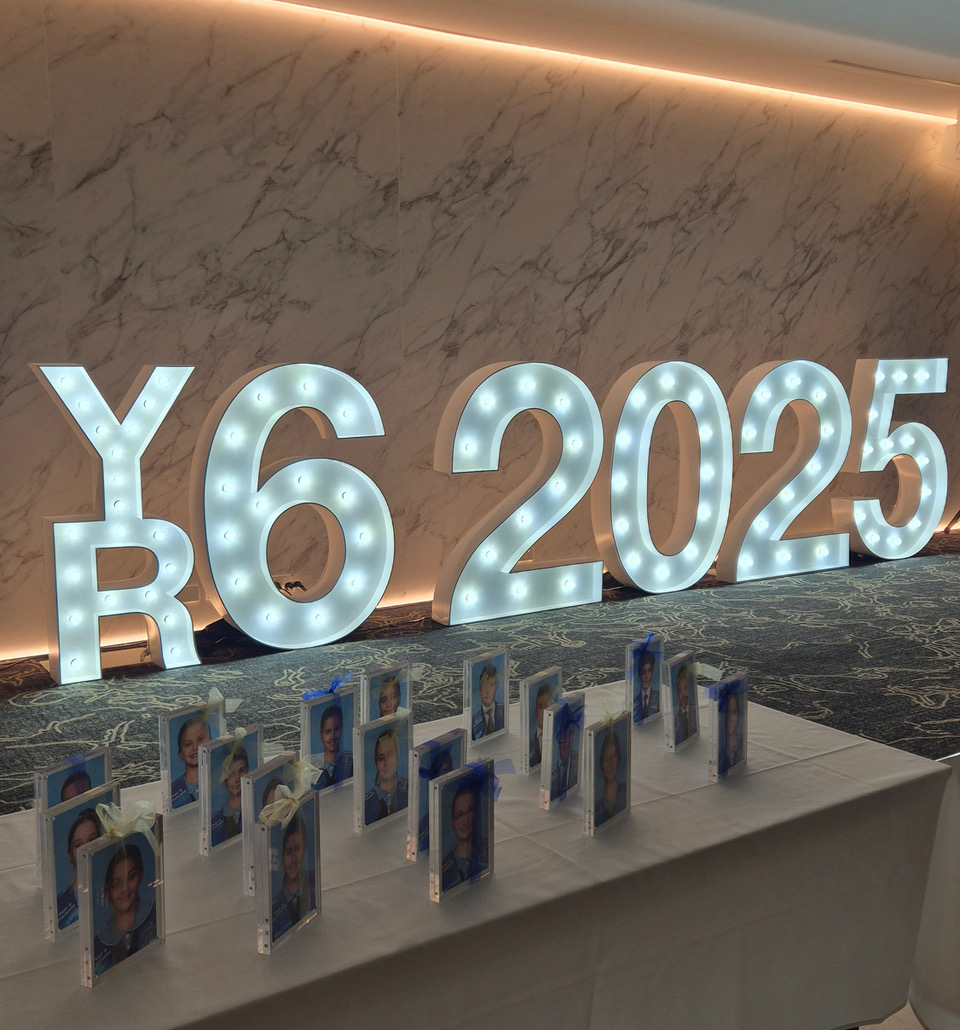
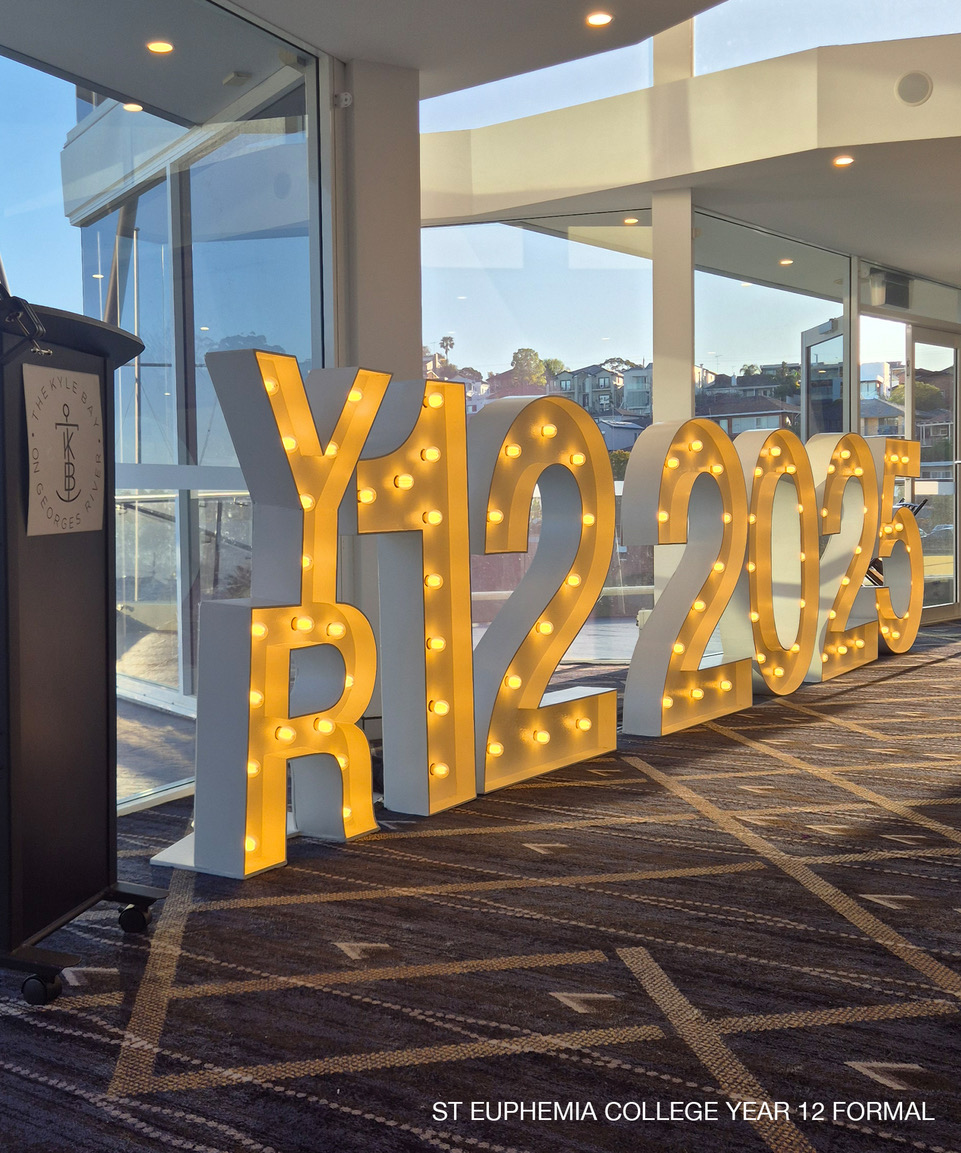
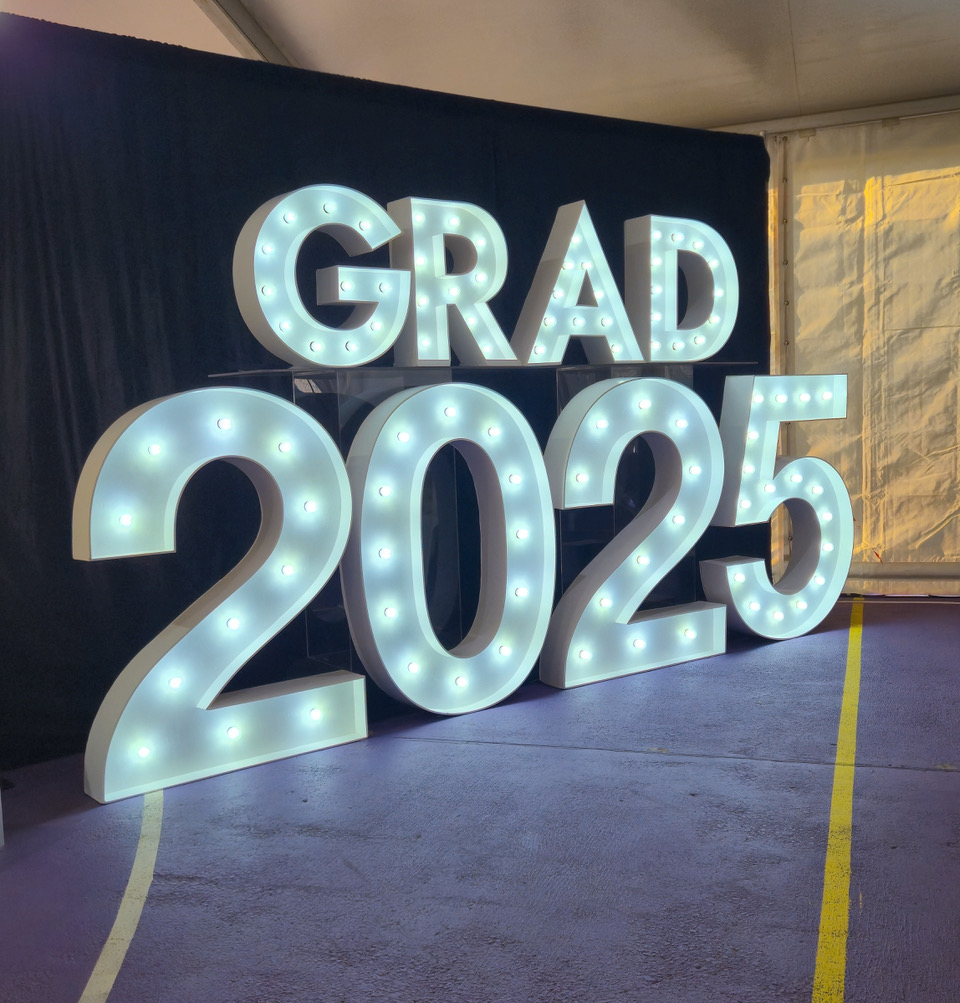
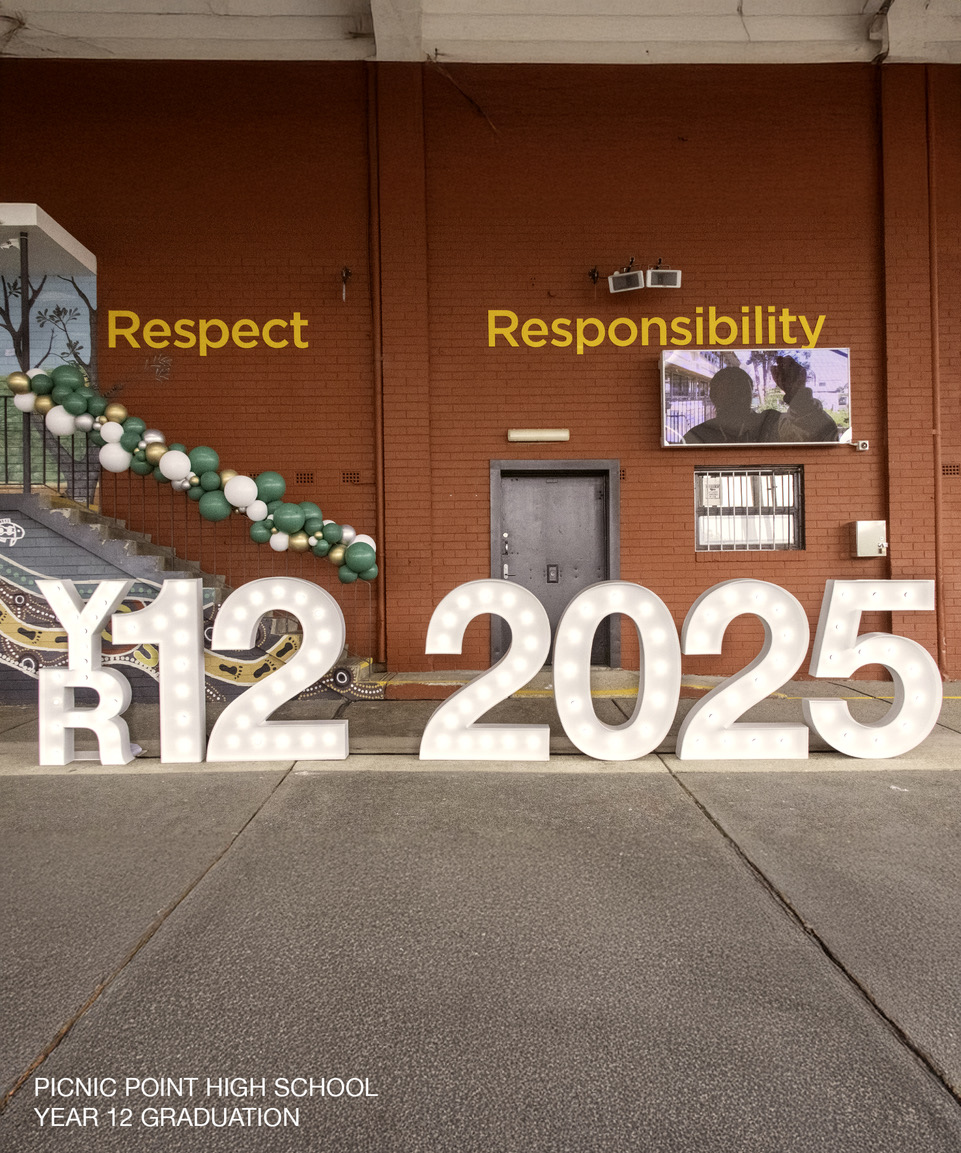
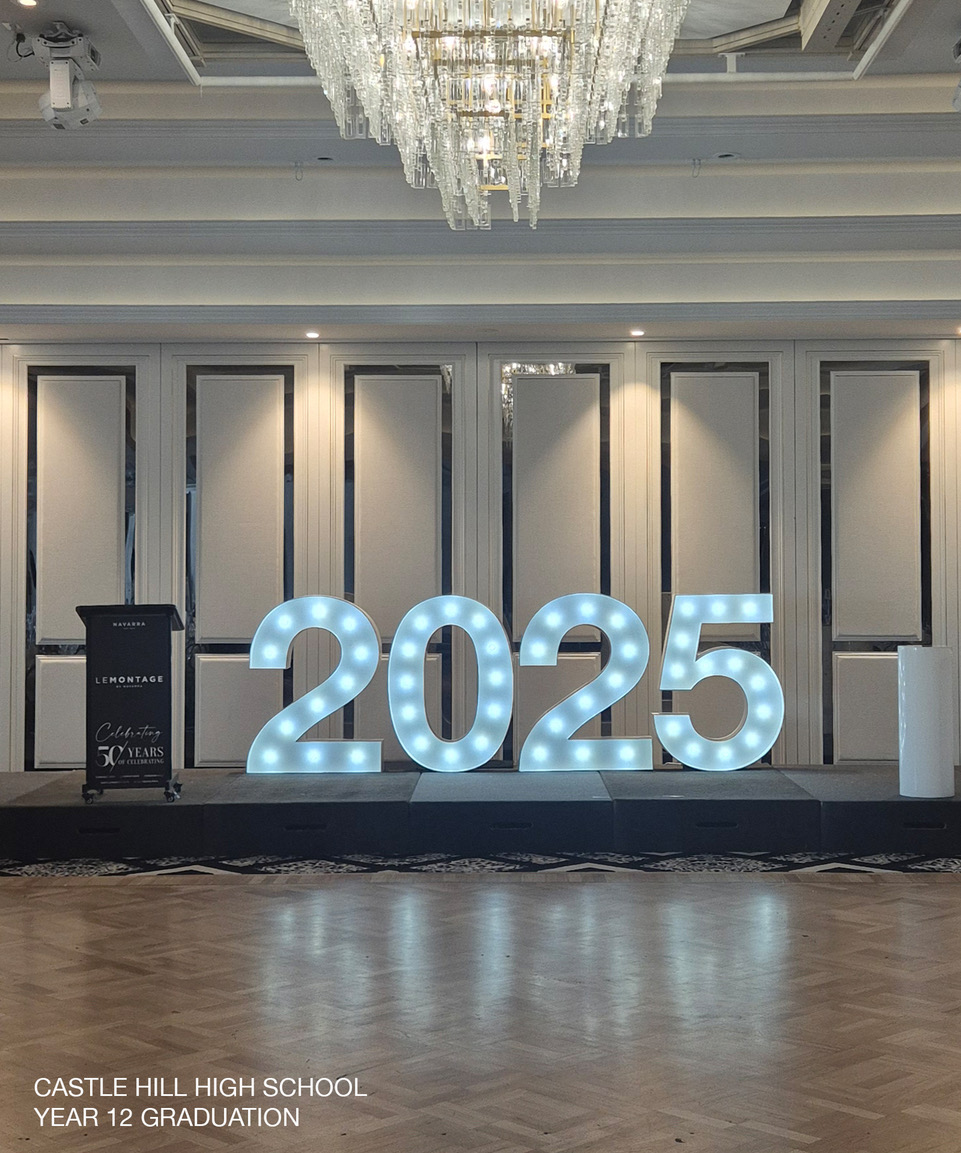
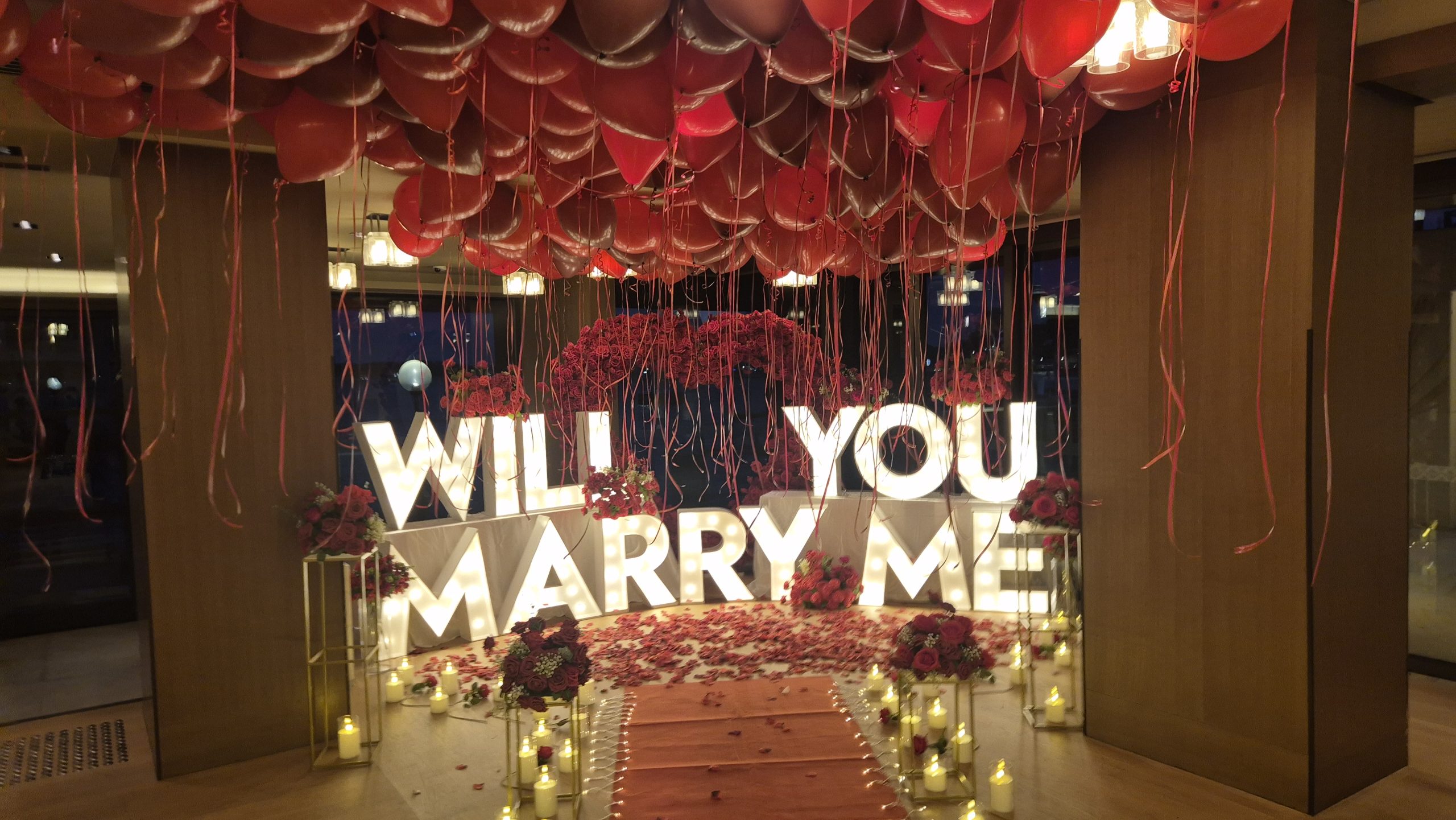
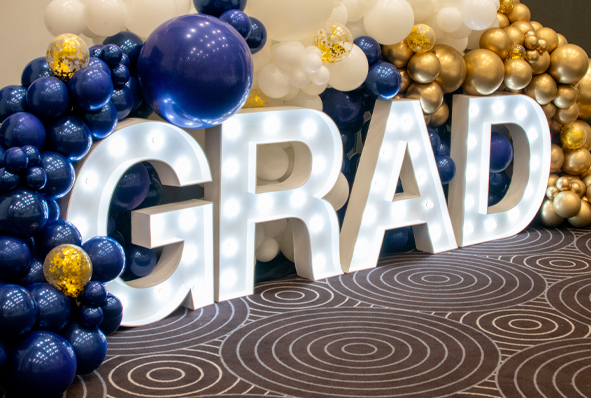
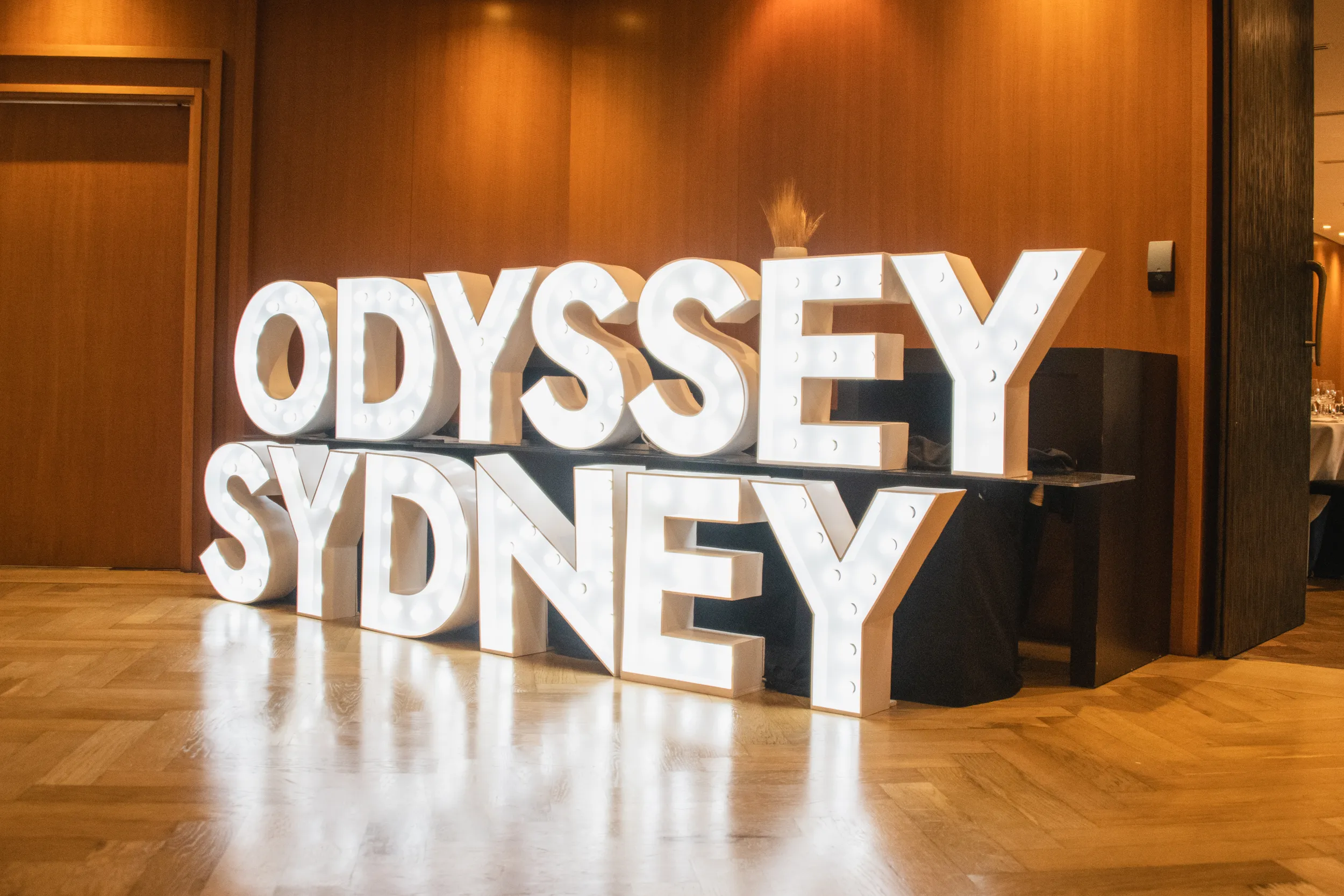
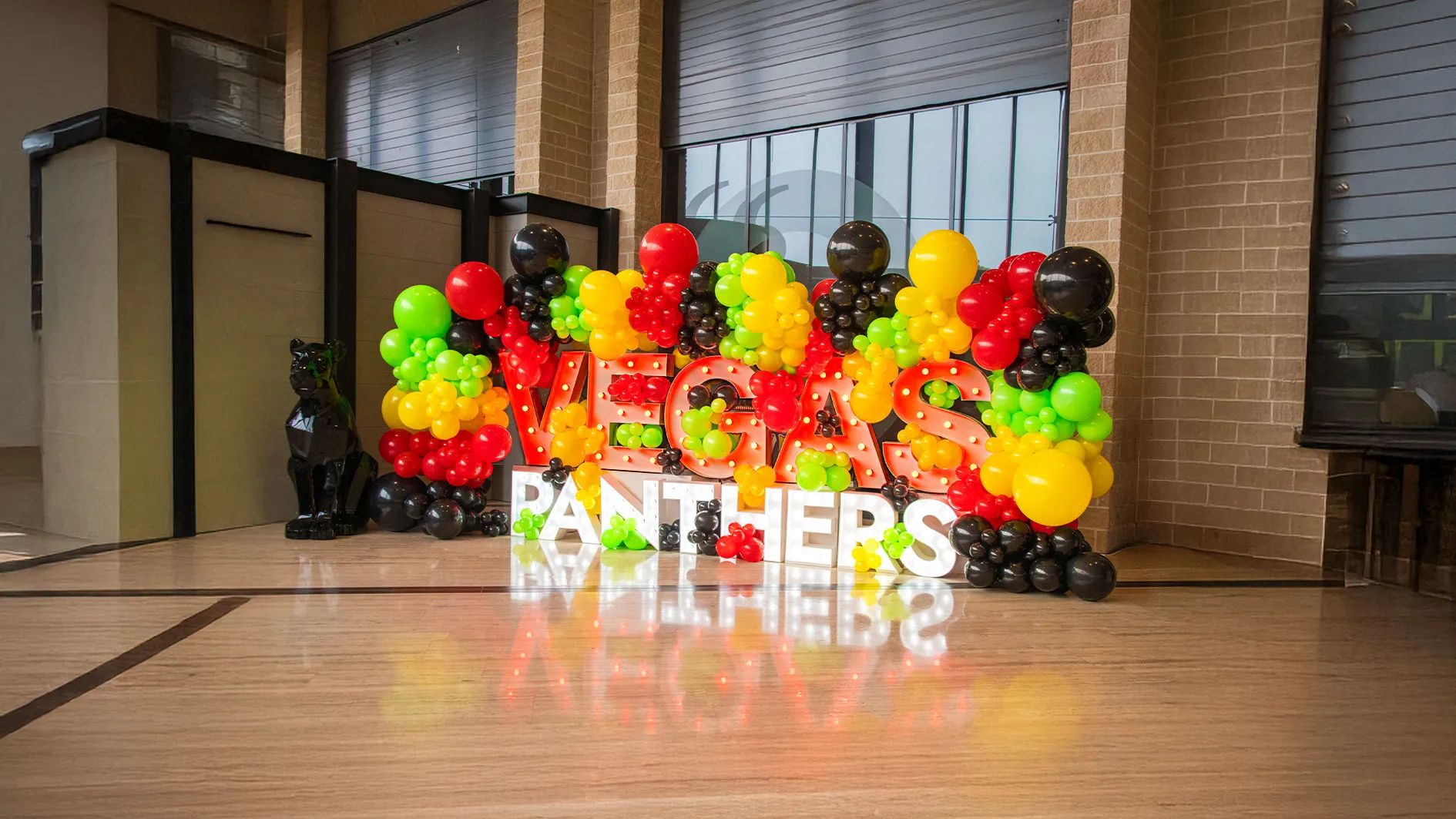
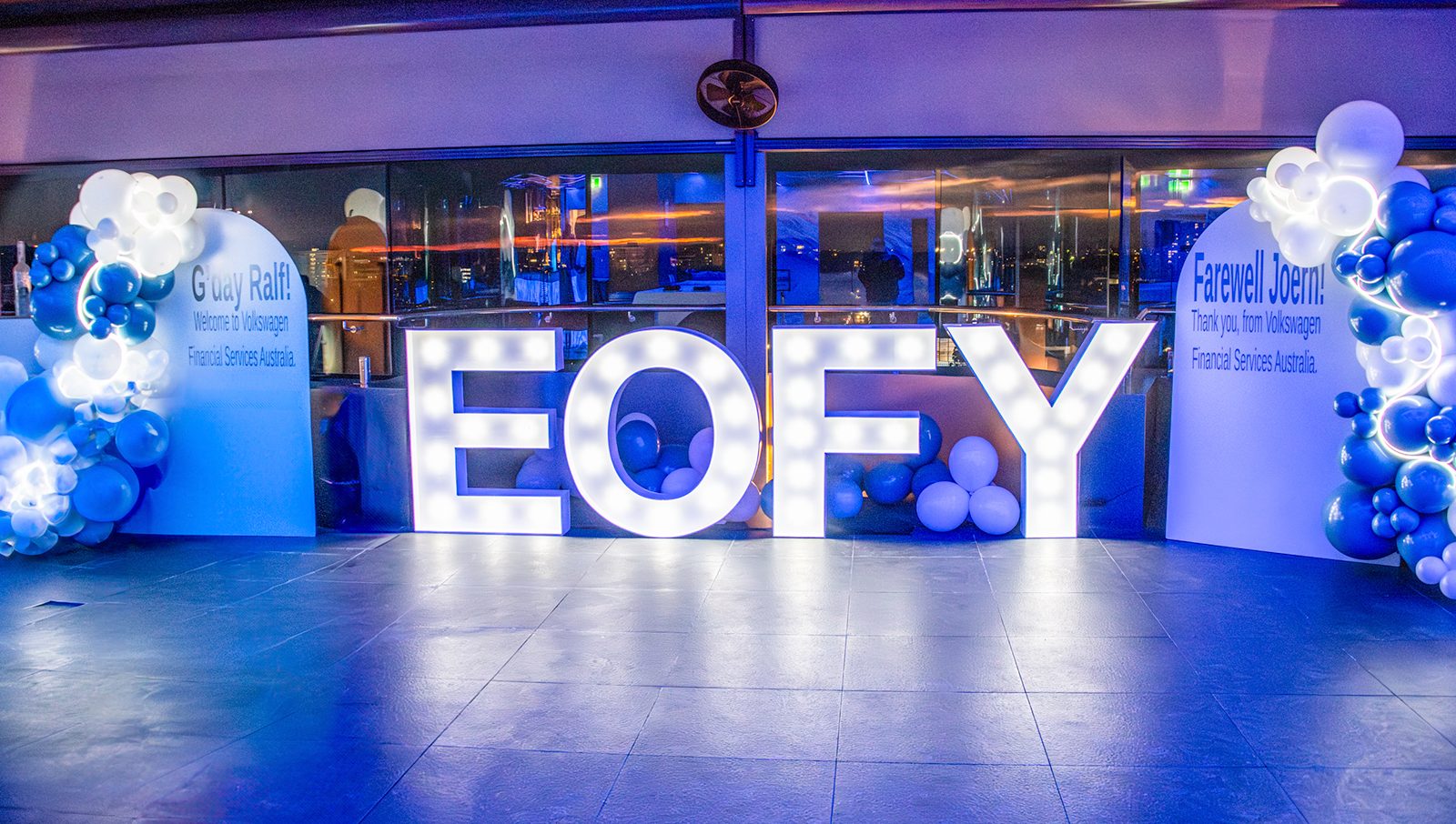
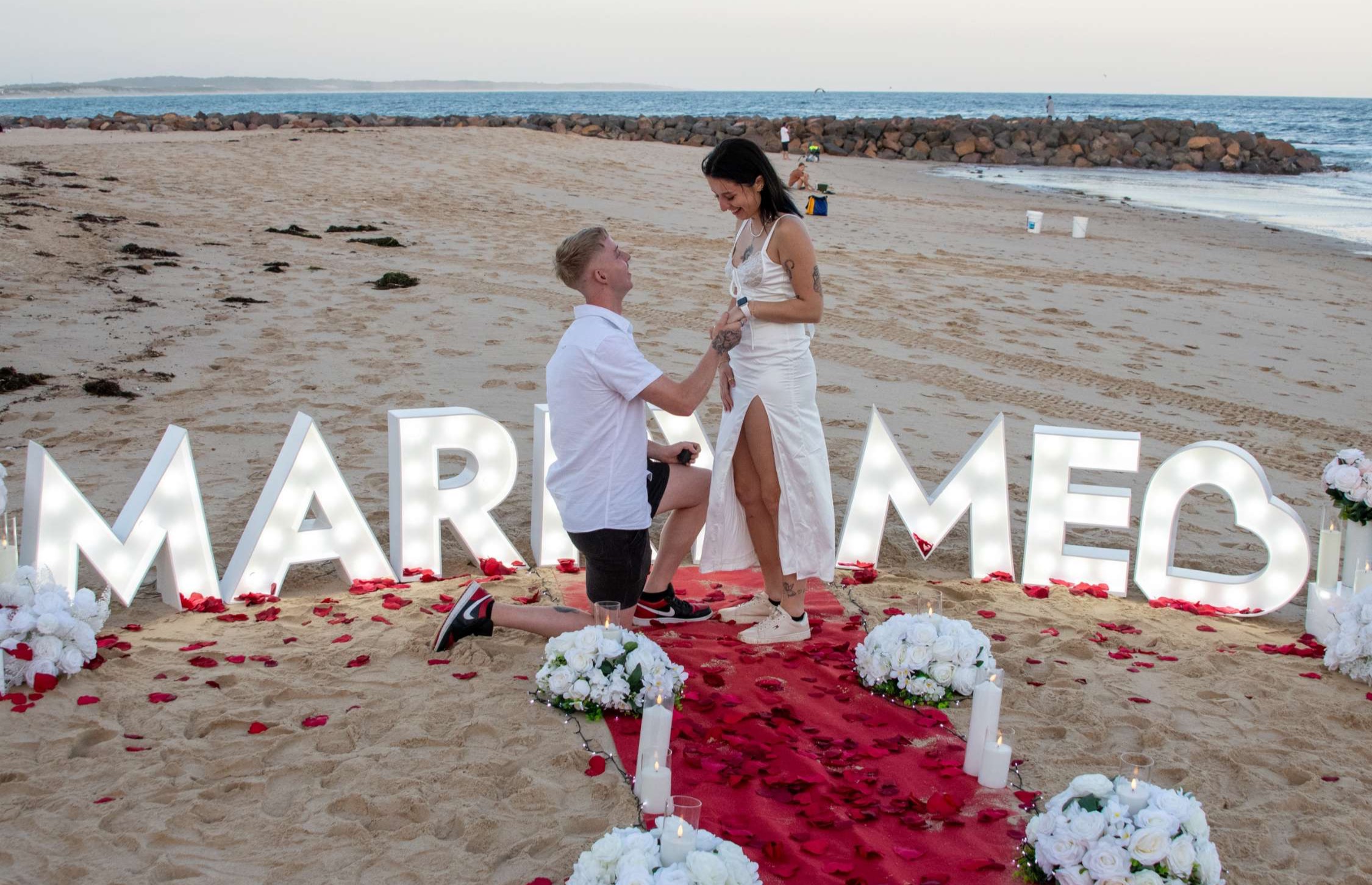
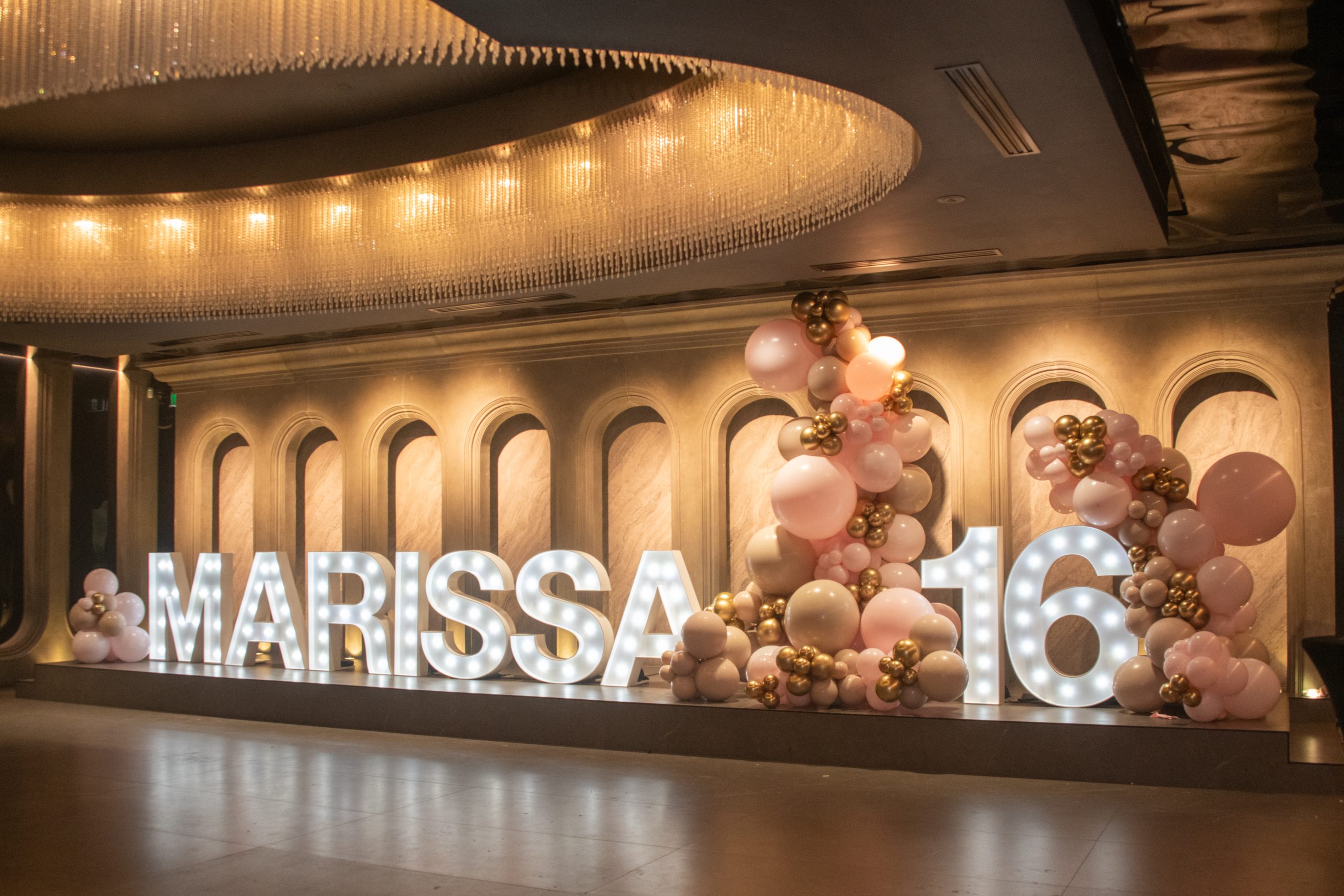
Same season. Same broad purpose. Very different choices about what the room should say when families walked in.
The 2025 graduation season proved something that plenty of Sydney schools had been slow to recognise: the visual centrepiece of an event shapes how it feels, how it photographs, and how it is remembered. Schools that treated the display as a design decision rather than a last-minute detail produced events that held together from arrival to final applause.
That lesson does not have to wait until November. Graduations may be the most visible use of light-up letters in schools, but they are far from the only one. In 2026, the schools and universities getting the most from these displays are the ones planning them into every major event on the calendar.
Choosing the right display: a quick guide for graduations and formals
For schools planning graduation events or formals, the wording of a display shapes the tone of the night. Each configuration communicates something distinct.
| Display | What it says | Best suited to |
|---|---|---|
| CLASS OF 2026 | Collective. Sentimental. Celebrates the cohort as a whole. | Outdoor setups, arrival areas and foyers where families gather before the ceremony begins. |
| YR12 2026 (or YR6, YR10) | Direct. Names the year level and tells people whose night it is. | Formal settings where the display shares the room with speeches and awards. |
| GRAD 2026 | Sharper, more event-like. Reads as a celebration rather than a farewell. | Presentation dinners, hired venues and function centres. |
| School initials (e.g. BBHS) | Identity-led. Places the institution at the centre of the evening. | School communities where belonging and tradition carry emotional weight. |
| Stacked layout (YR12 over 2026) | Vertical presence. Commands a room without competing with the stage. | Large ballrooms and function centres where the display needs to read from the back of the room. |
| 2026 (year only) | Clean and uncluttered. Lets the venue and styling set the tone. | Formal evening venues with strong existing decor, such as hotel ballrooms. |
“Every school has a different idea of what the night should feel like,” says Roger Fernando, director of Sydney-based Spotlight Letters, whose installations featured across dozens of 2025 graduation events. “Some want the year front and centre. Others want the school’s name to do the talking. We had one school request their initials on their own, with nothing else. That was their night in four letters.”
Beyond graduation: the school events that deserve the same treatment
Graduation proved the concept. But the same logic applies to events that happen months earlier in the school calendar, and often with larger audiences.
Consider what a school or university runs across a typical year: athletics carnivals, swimming carnivals, inter-school sporting competitions, presentation nights, formal dinners, fundraising galas, open days, parent and teacher evenings, dinners with the principal, welcome events for new families, awards nights and end-of-term celebrations. Each of these has an audience. Each produces photographs. And each benefits from a visual anchor that tells the room what the occasion is about.
The difference between a hall that feels set up for a purpose and one that feels borrowed for the evening often comes down to a single focal point. A set of illuminated letters spelling out the school’s initials, the name of a carnival, or even the word WELCOME at an open day can do that work.

How schools and universities are using light-up letters throughout the year
The table below maps the types of events where light-up displays are making a difference, from Term 1 through to the graduation season.
| Event type | Display options | Why it works |
|---|---|---|
| Athletics and swimming carnivals | School initials, house names, year (e.g. 2026) | Gives outdoor and pool-deck settings a strong photo backdrop. Visible from a distance and holds up in daylight. |
| Inter-school sporting events | School initials, VS display, competition name | Creates a sense of occasion for finals, gala days and regional competitions. Reinforces school pride for students and visiting families. |
| Formal dinners and presentation nights | YR12, GRAD, school name, awards theme | Anchors a formal room with a clear message. Works alongside speeches and award ceremonies without competing for attention. |
| Open days and enrolment events | WELCOME, school name, initials | Sets a professional, welcoming first impression for prospective families. Doubles as a branded photo opportunity for social media and newsletters. |
| Fundraising galas and trivia nights | Event name, school initials, themed wording | Lifts a community event from the everyday to the memorable. Gives sponsors and organisers a professional centrepiece. |
| Parent and teacher evenings | School initials, WELCOME | Creates a warm, considered atmosphere that signals the school takes the relationship with families seriously. |
| Dinner with the principal | School name, initials, themed wording | Frames an intimate gathering with a professional visual identity. Photographs well for school communications and annual reports. |
| University orientation and faculty events | Faculty name, O-WEEK, WELCOME, university abbreviation | Gives large-scale campus events a focal point for photography. Helps new students locate event spaces and creates a sense of belonging from day one. |
What the room does before anyone speaks
The practical reason these choices matter is photographs. Every school event is documented from dozens of angles, by professional photographers and by every parent holding a phone. What stands behind the students, staff or guests in those images becomes the visual identity of the night: shared on school newsletters, printed for family albums, posted on social media the same evening.
A well-chosen display gives those images a centre. It also gives the room a focal point before the formal program begins. At several 2025 graduation events, the letters were the first thing families saw when they arrived, positioned in foyers, near entrances or alongside the stage. The tone was set before anyone reached a microphone.
Planning the full year
Schools and universities that get the most value from light-up displays tend to plan them across the calendar rather than booking event by event. Knowing what the year holds, from Term 1 carnivals through to the December graduation, means the right display can be matched to the right occasion well ahead of time.
Roger Fernando of Spotlight Letters says the enquiry pattern has shifted noticeably. “We used to hear from schools in September or October, right before graduation. Now we’re getting calls in Term 1 from coordinators who want to map out the full year. They’ve seen what the letters can do at a formal, and they want that same presence at their athletics day, their fundraiser, their open night.”
For schools considering their 2026 event calendar, the starting point is simple: identify the events where a visual anchor would add the most value, then work with a supplier to match the display to the occasion. The earlier those conversations happen, the more flexibility there is on timing and configuration.
Frequently Asked Questions
Schools and universities can choose from a range of configurations including CLASS OF 2026, YR12 2026, GRAD 2026, the year alone, school or university initials, stacked layouts, or custom wording to suit any event. Each option communicates a different tone and suits different venue types, year levels and occasions.
Yes. Illuminated letter and number displays are designed to work across a range of settings, from school halls and gymnasiums to hotel ballrooms, function centres, outdoor lawns and pool decks. Placement is adjusted to suit the venue and lighting conditions.
Spotlight Letters provides letters at one metre high and numbers at 1.2 metres high, which gives them enough presence to serve as a focal point in both small halls and large ballrooms or outdoor spaces.
The graduation and formal season (typically October to December) is the busiest booking period, and schools planning end-of-year events are encouraged to confirm their requirements early in Term 3 to secure availability. For events throughout the rest of the year, such as carnivals, open days, fundraisers and presentation nights, earlier enquiries allow more flexibility on timing and configuration. Schools and universities planning multiple events across 2026 benefit from mapping out the full calendar with their supplier at the start of the year.
Yes. Spotlight Letters offers the full alphabet, allowing schools and universities to spell out initials, school names, event titles or custom messages. Several schools in 2025 opted for initials or abbreviated names rather than a generic graduation message, and the same flexibility applies to carnivals, open days, fundraising events and any other occasion on the calendar.
Graduations are the most common school booking, but light-up letters and numbers are increasingly used for athletics carnivals, swimming carnivals, inter-school sporting events, open days, fundraising galas, formal dinners, parent and teacher evenings, university orientation events and more. Any occasion where a school or university wants a clear visual focal point and strong event photography can benefit from an illuminated display.